The presentation of Greece’s pioneering electronic case file system by the Ministry of Justice, in cooperation with the Ministry of Digital Governance and the Information Society, has raised well-founded expectations for a sweeping upgrade of civil justice by 2026.
The digital case file has already entered a pilot phase this week, initially limited to disputes related to the National Cadaster. From the start of the new judicial year in Sep., however, its use will become mandatory for all lawyers and for all civil proceedings, including commercial, lease, labor, contractual, family, and other civil disputes.
From paper to platform
At the core of the reform is the electronic filing of lawsuits and the fully digital handling of each case file through to final judgment. According to the Ministry of Justice, the system reduces time and costs for lawyers while giving judges and court staff immediate access to the full case file and all submitted documents.
A key innovation is that lawyers can now file lawsuits and pleadings directly from their offices, without appearing in person at court registries. Once filed, the electronic case file becomes instantly accessible to court clerks and judges.
Fixed hearing dates, faster justice
Another key feature is the electronic scheduling of hearing dates. Upon filing a lawsuit, lawyers select the hearing date through the system. This date cannot be altered and must fall within 210 days of filing, in line with the new Code of Civil Procedure.
According to Justice Minister Giorgos Floridis, these changes substantially enhance legal practice, accelerate hearings, and contribute to the faster issuance of court decisions.
Towards a paperless judiciary
The reform does not stop with civil justice. Full and mandatory implementation in administrative and criminal courts is planned by early 2027, effectively eliminating paper-based document circulation across all Greek courts.
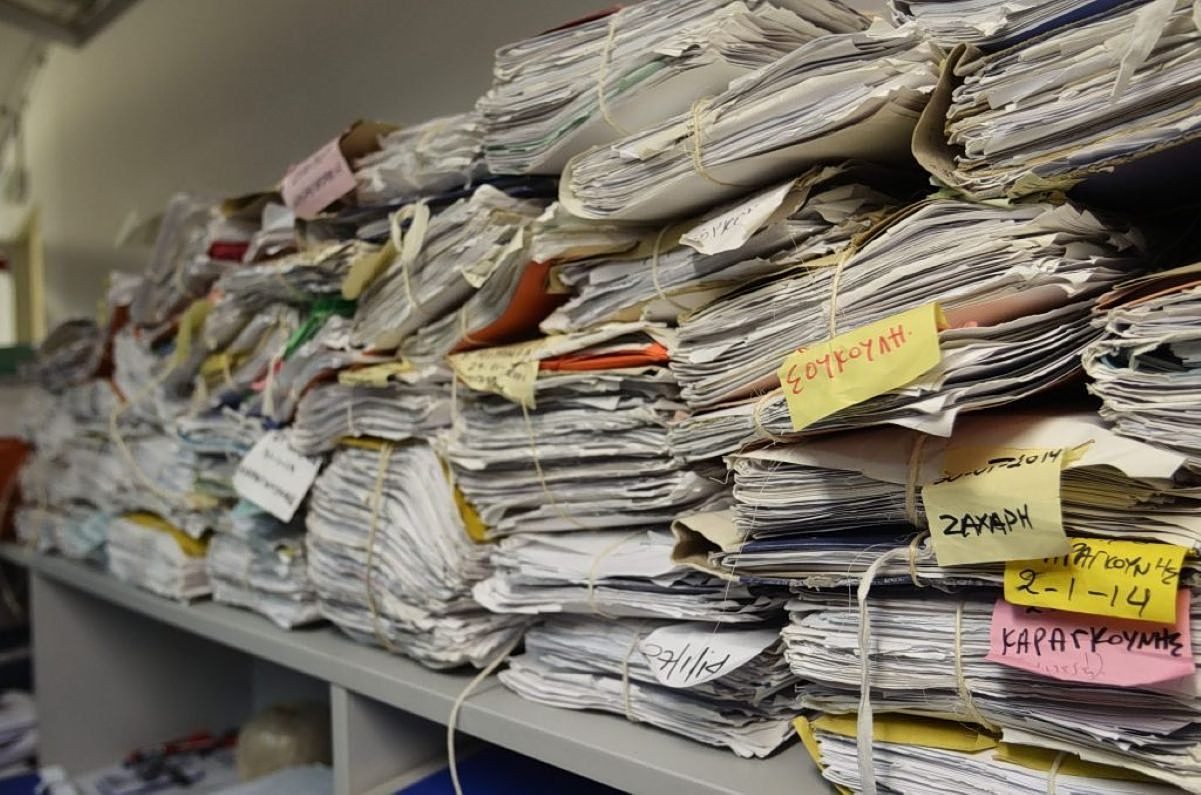
The electronic case file will function as a comprehensive digital repository, containing all pleadings, evidence, and judicial decisions. Judges will no longer face thousands of printed pages, while lawyers will be able to file documents electronically and monitor their cases seamlessly—from first instance courts to final rulings by the Supreme Court.