An outbreak of foot-and-mouth disease on the Greek island of Lesbos has led to the culling of more than 2,300 animals, as veterinary authorities work to contain the spread of the highly contagious livestock virus.
According to regional veterinary services, inspections have been carried out across dozens of farms since the first suspected case was detected. The measures are focused on a designated protection zone covering several rural areas of the island.
Widespread farm inspections and confirmed cases
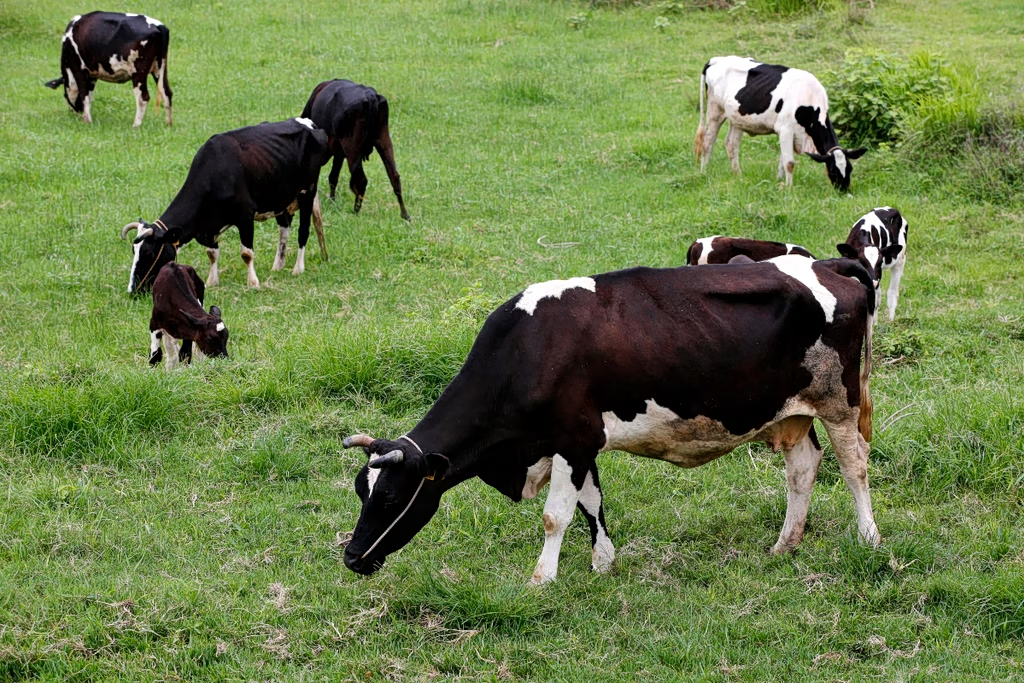
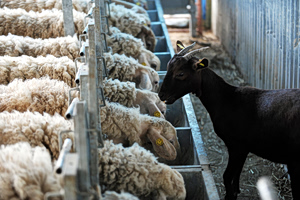
Authorities examined 143 sheep and goat farms with a total livestock population of more than 32,000 animals, as well as 34 cattle farms housing over 700 animals.
Out of all inspected holdings, 18 farms tested positive for the disease, including three that were jointly operating facilities.
Mass culling to contain the outbreak
In response to the confirmed infections, authorities proceeded with the culling of 2,200 sheep and 100 cattle in an effort to stop further transmission of the virus.
The outbreak has placed significant strain on the island’s agricultural sector, which relies heavily on livestock farming as a key part of its local economy.
Biosecurity measures across the island
To prevent further spread, strict biosecurity controls have been introduced, including disinfection points at key access roads. These checkpoints are operating at multiple locations across the island, including major junctions connecting affected villages.
Officials say the containment system is fully operational and forms part of a wider effort to limit movement of potentially infected animals and equipment.