A village on the island of Corfu has been engulfed in a nauseating smell for more than two weeks after a fire destroyed a frozen food factory, leaving behind what locals describe as a “health bomb.”
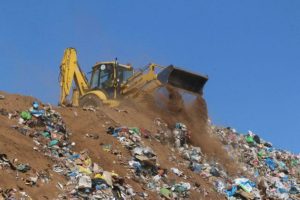
According to Spyros Tsiriggakis, president of the Alepou community, around 1,500 tons of burnt and decomposing food waste remain in the area. The stench has spread over a radius of up to three kilometers, forcing many residents to abandon their homes or wear protective masks just to move around.
“It’s been 18 days of intense stench,” Tsiriggakis told Greek media. “This isn’t a ticking health bomb — it’s one that has already exploded. We’re talking about hundreds of tons of decaying waste left behind from the fire that destroyed the factory.”
The facility, which stored large quantities of frozen meat and fish, was completely destroyed, and the remaining products have since entered advanced stages of decomposition.
Authorities investigating as residents fear contamination
Local health authorities and a team from the Ministry of Environment have already inspected the site, while some waste was temporarily transported to another area in mainland Greece before being halted over licensing issues.
“We fear contamination of the water supply and the wider environment,” Tsiriggakis warned. “The company responsible for waste removal apparently lacked proper authorization, and now everything has stopped. We’re waiting for a solution, but the smell is unbearable.”
Environmental experts estimate that full cleanup could take at least 20 days, involving disinfection and deodorization of the site to prevent further pollution.
As rain is expected in the coming days, residents worry that runoff from decomposing meat and fish could worsen contamination risks.
“This is a huge problem,” Tsiriggakis said. “If it rains, all those liquids from the rotting products will spread. We’re afraid for both public health and the environment.”