The Kalohori lagoon near Thessaloniki is facing severe water shortages, with a major drop in water levels leaving the artificial wetland in a state of almost complete drying.
The recurring summer phenomenon has raised concerns among environmental groups, which say the situation is not only linked to limited rainfall but also to the management of available water resources.
George Konstantinidis, a member of the environmental organization “Echedorou Fysis,” told ERT News that the lagoon experiences similar conditions every summer, when rainfall is scarce and evaporation increases.
“Every year, during the summer, we have this image,” Konstantinidis said, describing the area as a rich habitat that hosts many bird species, from flamingos to smaller resident and migratory birds.
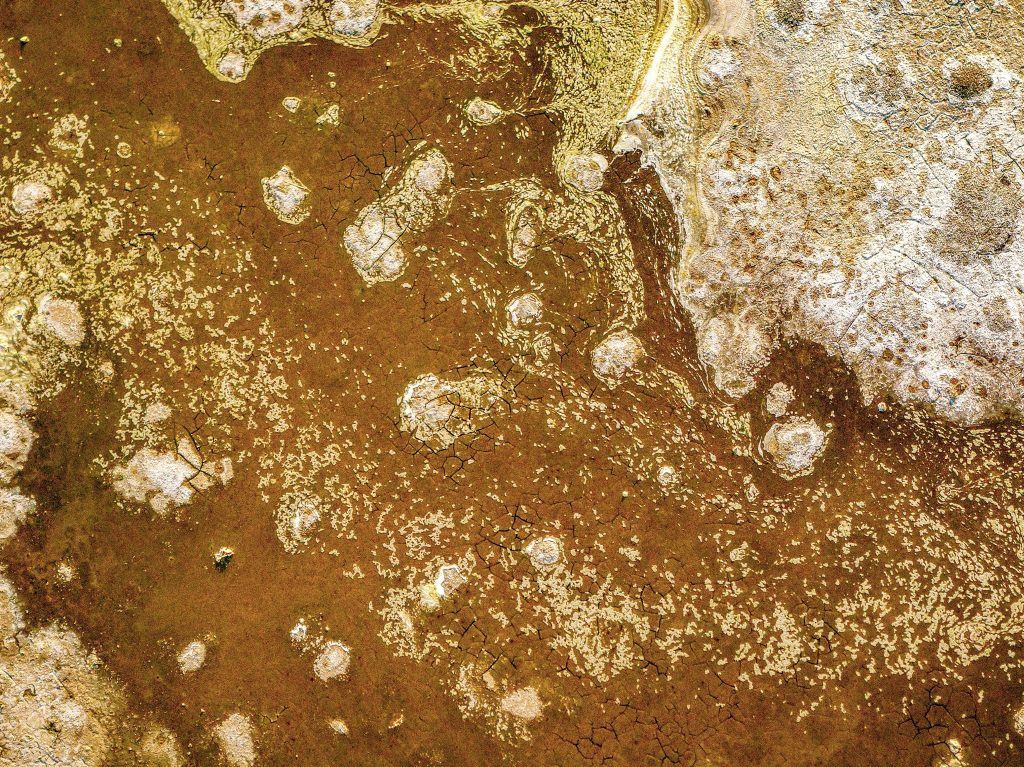
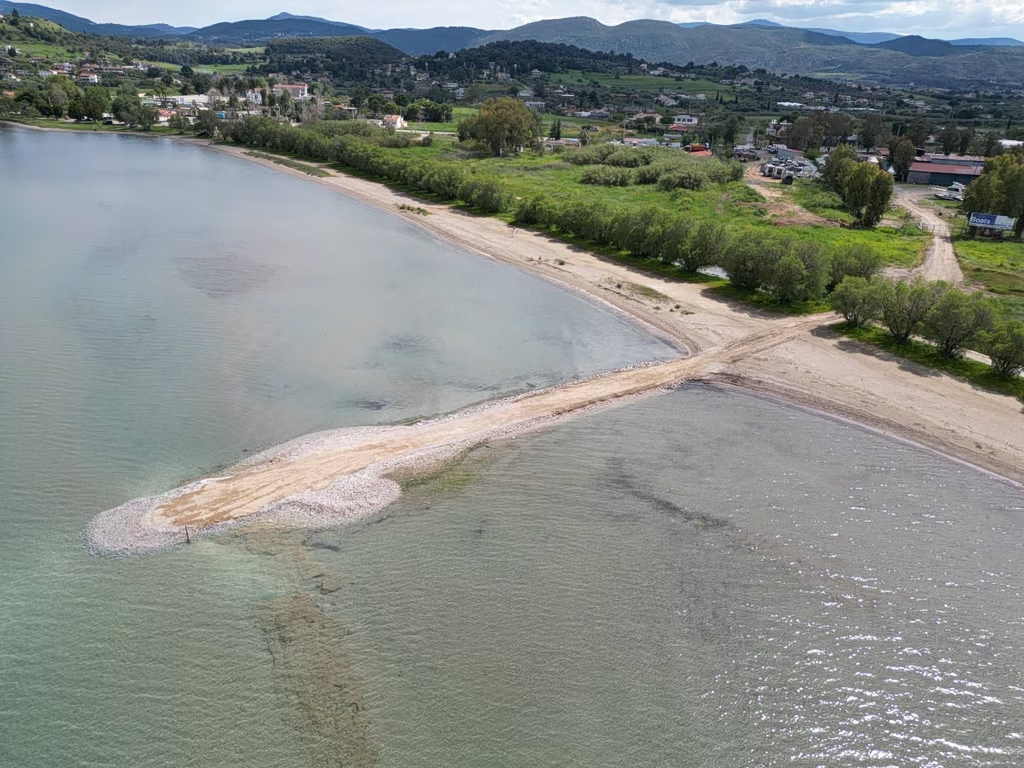
The drought at the Kalohori wetland is leaving a visible mark, revealing a different image of an important natural ecosystem. Tuesday, August 4, 2026 (RAPHAEL GEORGIADIS / EUROKINISSI)
“For three months during the summer, we have this situation. Standing water, water that evaporates, water that disappears,” he said.
According to Konstantinidis, the main issue is one of water management. He argued that interventions could help preserve the lagoon’s water levels, including changes to the way water is removed from the area.
“The municipality should stop drawing water because we have a pumping station that drains this basin,” he said.
A vital habitat near Thessaloniki
The Kalohori lagoon is an artificial wetland that fills mainly with rainwater during the winter and is connected underground with the sea, creating the conditions that sustain its lagoon ecosystem.
Despite its artificial origin, the area has developed into a rich habitat for birds and attracts visitors throughout the year who come for birdwatching and outdoor activities.
Konstantinidis said the current image of the dried-out lagoon is disappointing because it could be improved through better management.
“This is not only a matter of climate change. We, as citizens and as a municipality, could do something to manage water better,” he said.
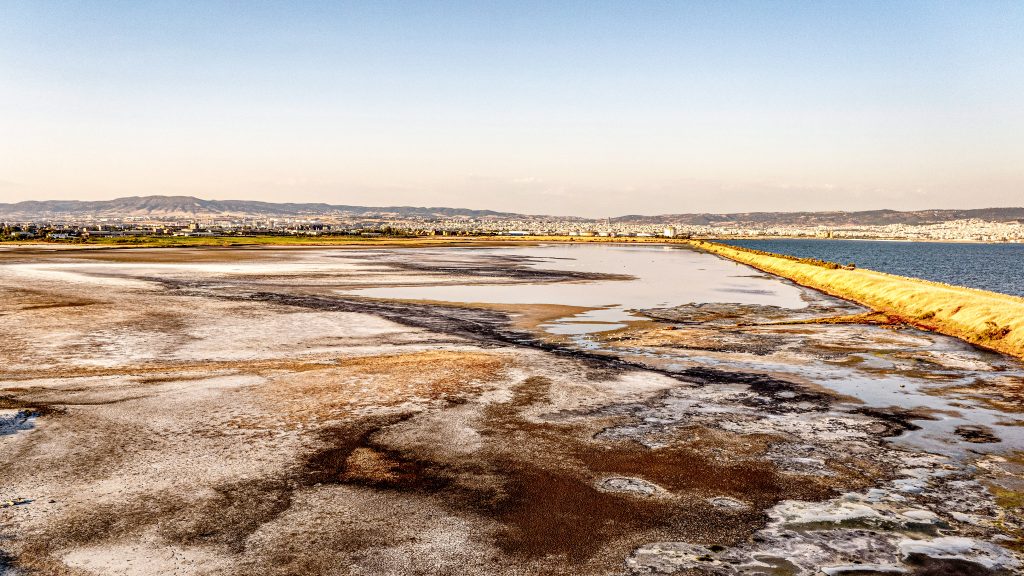
The drought at the Kalohori wetland is leaving a visible mark, revealing a different image of an important natural ecosystem. Tuesday, August 4, 2026 (RAPHAEL GEORGIADIS / EUROKINISSI)
He added that the situation is reversible and that the lagoon typically begins recovering in September, when the first rains arrive and water levels start to rise again.
“A unique oasis” under pressure
Located just seven kilometers from Thessaloniki and surrounded by an industrial area, the lagoon is considered an important natural refuge for residents seeking contact with nature.
Konstantinidis described it as “the only real oasis” where people can walk, run, cycle, spend time with their families, and escape the urban environment.
“It is a shame for this place to end up like this every summer,” he said.
He noted that many visitors arrive expecting to see the lagoon’s famous wildlife but are surprised by its dry appearance.
“People come and ask us: Where are the birds? Where are the flamingos? Where is the water? And it is understandable that they wonder why,” he said.
Konstantinidis said environmental groups are hoping that with the arrival of autumn rains, the lagoon will fill again, allowing wildlife to return and restoring the area’s natural appearance.