In recent years, encounters between humans and wild animals in Greece have become increasingly common—even in urban centers. What might begin as an unsettling walk through a neighborhood or backyard can quickly escalate to injuries and serious attacks. Wildlife is making its presence felt in cities, leaving residents and authorities alike on edge.
Bear and Wolf Attacks Spark Concern
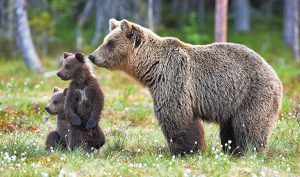
The latest incident, though far from an isolated case, occurred in the mountainous village Doliani, Zagori, where an 81-year-old man was attacked by a bear in his own yard. According to reports, the bear lifted him and threw him from a height of three meters. The man sustained head injuries and is currently hospitalized. Locals note that bear sightings in the area have become frequent in recent months.
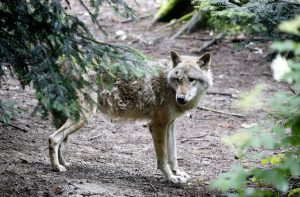
Just days earlier, a wolf attacked a five-year-old girl in Halkidiki, in northern Greece. Remarkably, the same wolf reappeared shortly after, wandering along the beach and even moving between sun loungers.
Meanwhile, in Nymfaio, Amyntaio, another bear struck a livestock farm, killing fifteen sheep and injuring five more. Wild boars, whose numbers have surged in recent years, are also causing damage to crops and contributing to traffic accidents.
Tensions Between Citizens and Conservationists
The increasing presence of wild animals, especially in northern Greece, has sparked tension between concerned citizens and environmental organizations. A Facebook group titled “We Don’t Live With Bears” documents countless encounters, complete with photos of animals wandering through backyards, streets, and even farms. Many residents share images of destroyed gardens and fields, such as a cornfield in Kalohori, Kastoria, ruined just weeks before harvest due to a bear visit.
Calls for Preventive Measures and Responsibility
Frustration often turns toward environmental groups tasked with wildlife protection. Panos Stefanou, communications officer at Arcturos, acknowledges that bear incidents are rising each year and stresses the importance of public awareness and preventive measures, like installing electric fences.
Dr. Alexandros Karamanlidis, director of Arcturos, notes that the responsibility for managing bear encounters legally, administratively, and financially rests with the Greek state. Since 2010, Greece’s brown bear population has rebounded to an estimated 550–900 individuals. “Alongside population recovery, encounters with residential areas and damage to farms and roads have also increased,” he says. Human factors, such as improper management of food sources near settlements, also contribute to these incidents.