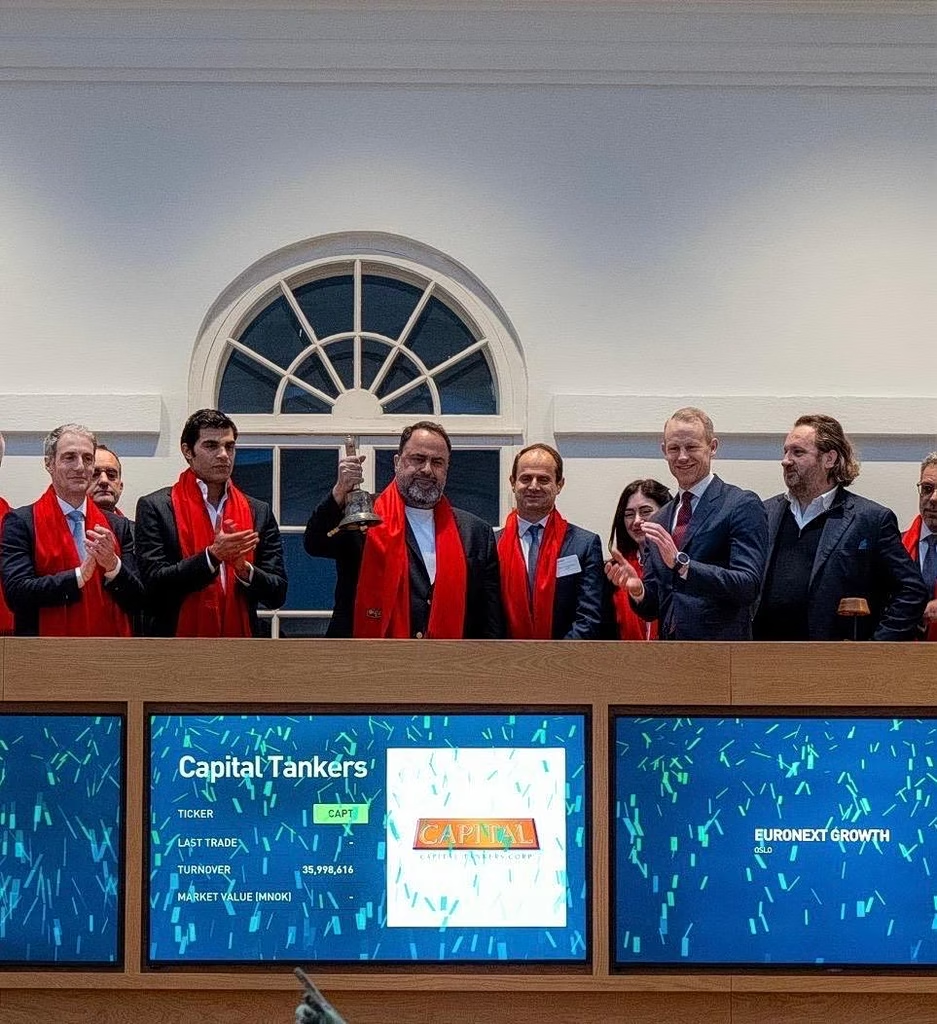
By all appearances, they’re paradise.
Lipsi, Donousa, Koufonisia, Schinoussa, Tilos, Folegandros, Anafi, Sikinos, Agathonisi, Halki, Kythnos, Irakleia, and Fournoi—scattered jewels across the Aegean Sea, bathed in sun-drenched serenity during the summer months. But when the tourists leave and the light fades, these islands become something else entirely: places where getting sick can feel like a gamble with fate.
In the winter, they all but disappear from the radar of the Greek state. Few ferries. Fewer doctors. And residents know the drill—if illness strikes after dark, help is often hours, if not islands, away.
Yet come summer, these same islands are reborn. Populations swell from a few hundred to thousands. Tourists arrive, unaware that their dream destination has barely enough medical support for its own residents—let alone them.
So how does a country reconcile this cruel paradox? How do you serve thousands with systems built for a few hundred?
A Health System Held Together by Patchwork
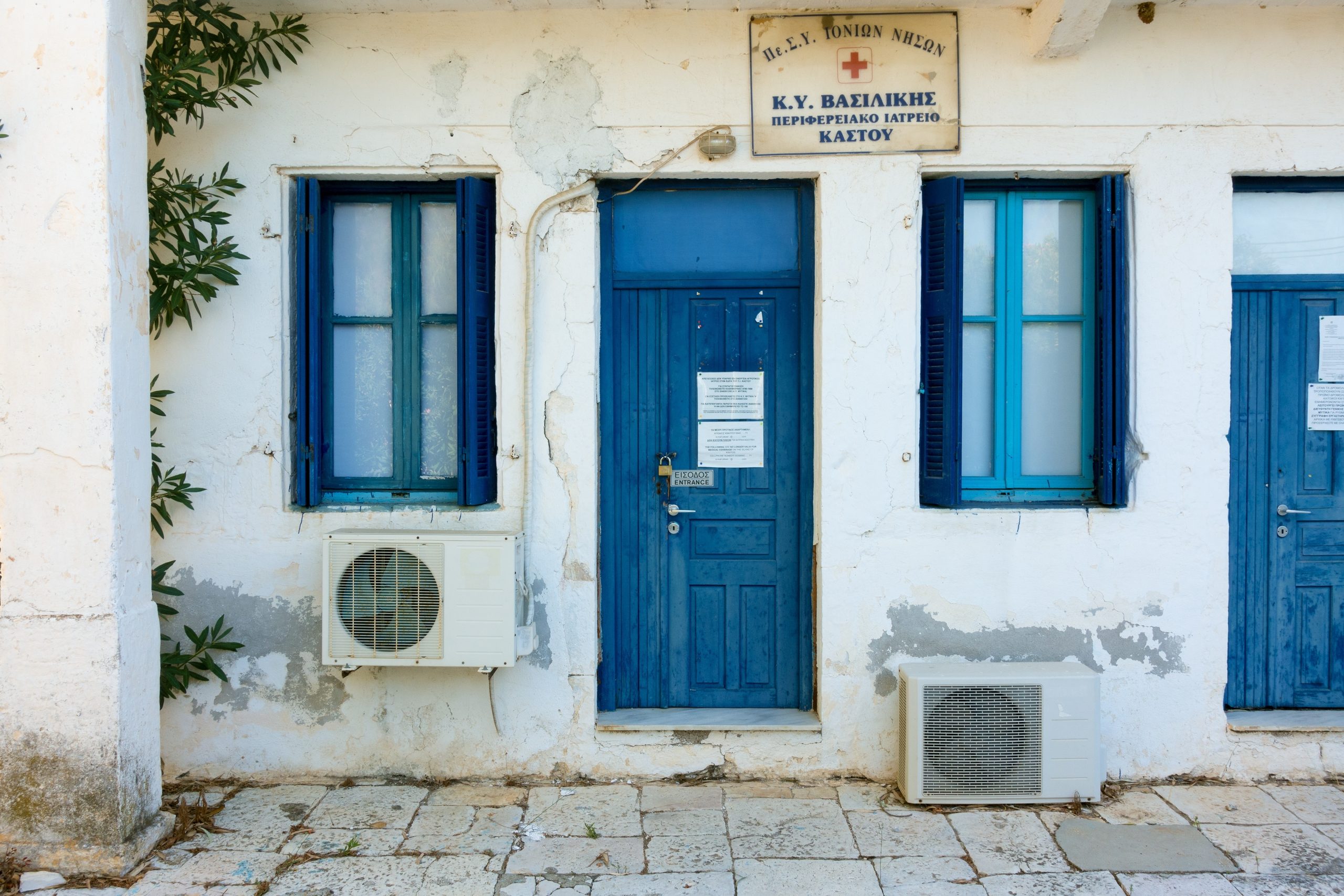
The Greek government tries. It fills the gaps with temporary “rural doctors” (often newly graduated medical students completing compulsory service), military conscripts with medical degrees, or private doctors on short-term contracts. But none of this constitutes a permanent solution.
There are no guarantees that when a doctor leaves, another will come. And when the only pediatrician or general practitioner packs up, the island is left vulnerable—again.
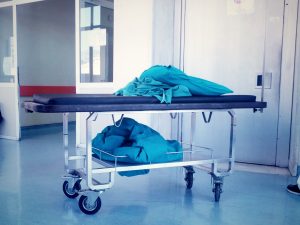
Across the Aegean, this fragile system is showing cracks. Earlier this year on Ikaria, a patient had to be transported to the island’s main hospital in Agios Kirykos in the back of a farmer’s pickup truck because the island’s single ambulance was more than an hour away. Only months earlier, locals had fought tooth and nail to keep their only public pediatrician from leaving.
‘There’s No One Left’
Some islands have already lost the battle. Popular destinations like Ios and Amorgos currently have no pediatricians. Families must either pay out of pocket for a private doctor—or travel to a completely different island. For something as routine as a child’s vaccine or a basic MRI scan, a parent might have to make the journey from Samos to Chios.
Mayor Fotis Maggos of Lipsi explains the uncertainty:
“Luckily, I was informed two days ago that the army will send a medical graduate to replace the one who just completed his service. Another general practitioner is leaving soon, but at least we have a new rural doctor lined up to take over.”
But even when these short-term positions are filled, they’re often by non-specialized personnel. Roles meant for seasoned general practitioners or internists are instead occupied by those just starting their careers. It’s like patching up a leaky boat with tape.
Dr. Giorgos Tsoukalas, an internist at Leros Hospital, puts it bluntly:
“There are no permanent specialized doctors on these islands. When one leaves, a serious gap forms. For instance, Patmos has been struggling ever since one of the two doctors at its Health Center left. They operate 24/7—but now they can’t even cover basic shifts. Here in Leros, our hospital runs at just 34% of the required medical staff, and only 60% of the nursing staff.”
A Game of Musical Chairs with Human Lives
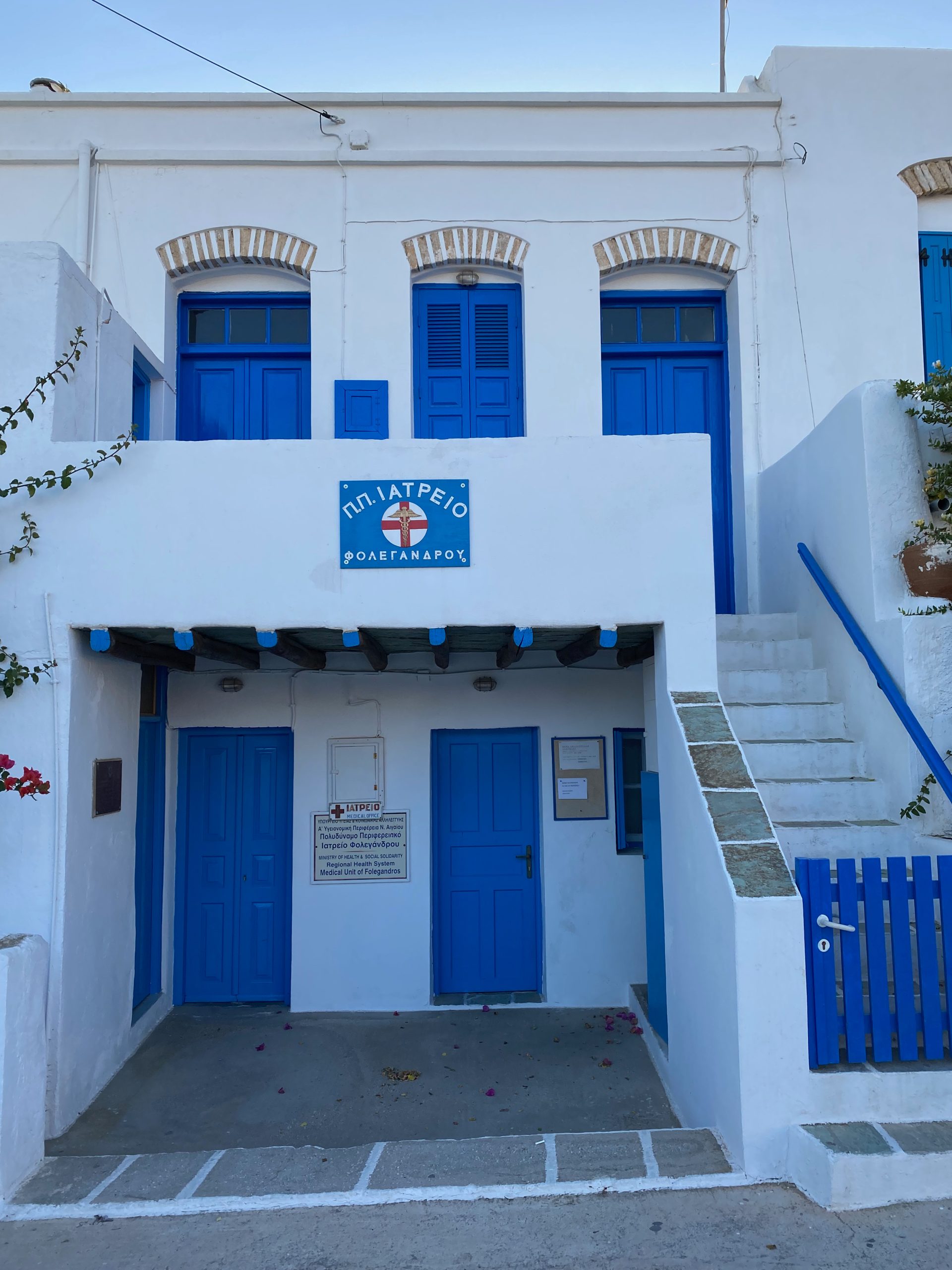
According to data from Greece’s 2nd Health Region (responsible for the Cyclades and Dodecanese), 31 islands without hospitals rely on small Health Centers and Multipurpose Regional Clinics staffed by just 70 doctors—primarily generalists—and 43 rural doctors.
But some islands, including Lipsi, Donousa, Koufonisia, Schinoussa, Tilos, and more, have no permanent or even rural doctor on staff. Medical coverage is handled through rotating personnel sent temporarily, typically in the summer.
In theory, 58 additional doctors can be dispatched via “summer legislation”—a mechanism that allows quick deployment of temporary staff. Of those, 39 are general practitioners and only four are pediatricians.
Still, most doctors avoid these posts. Why? Because the incentives are laughably small.
‘Incentives? They’re Crumbs.’
To attract doctors to remote locations, the Greek government offers a modest bonus—€200 to €600 a month. But as Anargyros Margiolis, president of Greece’s Academy of General and Family Medicine, says:
“That’s just €9 extra a day. These aren’t real incentives. We need tax breaks. Housing solutions. Doctors need a decent standard of living if you expect them to move their lives to these islands.”
And the problem isn’t just money.
In many cases, doctors are frustrated by the conditions they face—not the paycheck. A pediatrician who recently resigned from Ios reportedly left not because of salary issues, but because the infrastructure simply didn’t allow for meaningful medical practice.
As one pediatrician told us: “It’s ironic that Greece constantly laments its declining birth rate, but can’t ensure basic pediatric care in remote regions. Even if I wanted to go work on an island, how effective would I actually be with such poor support systems?”

‘Adopting’ Islands
The 2nd Health Region Director, Christos Roilos, acknowledges the pediatrician shortfall:
“There are islands where not even a private pediatrician is available. We’re trying to bridge gaps with rotational coverage. For example, Tzaneio Hospital in Piraeus has essentially adopted Amorgos—sending a pediatrician on regular visits.”
This summer, the government upped the ante, offering doctors €2,100 per month in addition to their regular salary to serve on islands, plus €100 per day for lodging, €60 per day for food, and full travel reimbursement. And yes, there has been some interest.
But is it enough? For now, these emergency patches may get Greece through another summer. But what happens in November, when the tourists vanish and the seas grow rough again?
Because on these islands, paradise comes with a warning: Don’t get sick.