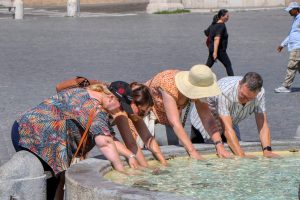
On Thursday, nearly all of Greece will be under the grip of an intense heatwave, with maximum temperatures expected to soar between 42°C and 44°C in several regions. High to extreme levels of thermal stress are forecast, making this one of the hottest days of the summer so far. Caution is strongly advised for both residents and visitors.
Temperature Overview:
- Western Macedonia: 19°C to 37–39°C
- Rest of Macedonia & Thrace: 22°C to 38–40°C, locally up to 42°C
- Thessaly: 23°C to 40–42°C, possibly reaching 43–44°C
- Western Greece: 24°C to 38–40°C, up to 42°C in western Central Greece
- Other mainland areas: 25°C to 39–41°C, locally up to 42–43°C
- Ionian Islands: 22°C to 36–38°C
- Aegean Islands & Crete: 22°C to 36–38°C
- Eastern Aegean Islands: Maximum temperatures locally up to 41–42°C
These values reflect extremely high heat stress levels, particularly inland. Visitors should avoid prolonged exposure to the sun, especially in urban centers, valleys, and low-lying inland regions.
Winds:
Northwesterly winds will blow across the seas with intensities of 4–5 Beaufort, reaching 6 Beaufort locally in the Ionian Sea. While breezy conditions may provide slight relief in some coastal areas, they may also increase wildfire risk, especially in dry regions.
Regional Highlights:
- Athens & Attica Region:
Clear skies and very high temperatures are expected. Winds will be mostly northerly at 2–4 Beaufort. Temperatures in the city and surrounding region will range from 30°C in the early morning to 40–42°C in the afternoon. - Thessaloniki:
Sunshine and extreme heat will dominate. Winds will be light and variable at 2–3 Beaufort. Temperatures in the city will rise from 28°C to 39–40°C, with some parts of the region possibly reaching 41°C.
Advice for Travellers:
If you’re visiting Greece, Thursday is a day to take extra care. Plan outdoor activities for the early morning or late evening, stay hydrated, wear light clothing, and make use of shaded or air-conditioned areas. The risk of heat-related illness is significant, especially for vulnerable groups. Additionally, the risk of wildfires is elevated, so avoid open flames or activities that could spark a fire in rural or forested areas.