European Union ambassadors have given provisional approval for the bloc to sign its largest free trade agreement ever with Mercosur, over 25 years after negotiations began. The accord, covering Argentina, Brazil, Paraguay, and Uruguay, was backed by at least 15 member states representing 65% of the EU population, meeting the threshold for provisional approval, EU diplomats said.
The European Commission and countries including Germany and Spain argue the deal is crucial to secure access to new markets, offset losses from U.S. tariffs, and reduce reliance on China for critical minerals. The agreement would remove €4 billion ($4.66 billion) in tariffs on EU exports and is expected to boost trade between the regions, which totaled €111 billion in 2024. EU exports focus on machinery, chemicals, and transport equipment, while Mercosur exports are dominated by agricultural products, minerals, pulp, and paper.
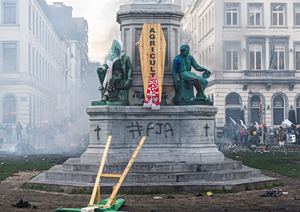
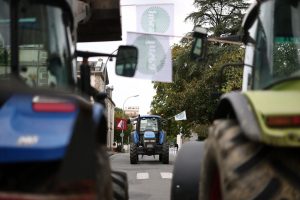
France, the EU’s largest agricultural producer, remains opposed, citing concerns that cheap food imports, including beef, poultry, and sugar, could undercut domestic farmers. Farmers have staged protests across the bloc, blocking roads in France and Belgium and marching in Poland. French Agriculture Minister Annie Genevard said the fight is not over and plans to contest the deal in the European Parliament.
To address concerns, the European Commission introduced safeguards, including the ability to suspend imports of sensitive farm products, stricter import controls, a crisis fund for farmers, and accelerated support measures. Italy, initially opposed, switched to backing the deal, while environmental groups like Friends of the Earth continue to oppose it, calling it a “climate-wrecking” agreement.
Commission President Ursula von der Leyen may sign the agreement as early as next week, but the deal still requires approval from the European Parliament, with a final vote expected in April or May.