The European Union’s plan to completely ban imports of Russian gas and oil — part of its ongoing sanctions against Moscow over the war in Ukraine — from January 1, 2028, following an agreement reached today by the bloc’s energy ministers during a meeting in Luxembourg.
The measure, proposed earlier this year by the European Commission, was approved by a majority of member states and will now move to the European Parliament for debate and final approval. Denmark, which currently holds the rotating EU presidency, hopes the legislation will be formally adopted by the end of the year.
Slovakia and Hungary Oppose the Ban
Slovakia and Hungary voted against the decision, citing their heavy dependence on Russian gas supplies.
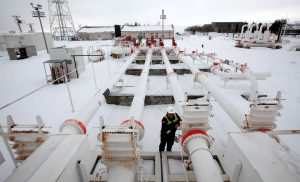
By ending purchases of Russian natural gas, the EU seeks to shut down one of Moscow’s main revenue streams used to finance its war in Ukraine. The bloc has been working to reduce its reliance on Russian hydrocarbons since February 2022, when Russia launched its full-scale invasion of Ukraine.
Reduced but Still Significant Dependence
Although Russian oil imports to the EU have fallen sharply, the bloc continues to rely on Moscow for a substantial share of its gas supply. In 2024, Russian gas accounted for 19% of total EU imports, compared with 45% in 2021.
To accelerate the phase-out, the European Commission had initially proposed a complete halt to Russian gas imports by the end of 2027. In September, it suggested an even earlier deadline—by the end of 2026—for liquefied natural gas (LNG). However, that proposal, part of the EU’s 19th package of sanctions against Russia, was not included in the agenda of the latest ministerial meeting.
Despite extensive sanctions, Russia still accounted for roughly one-fifth of the EU’s gas imports in 2024, according to official data. In the first half of 2025 alone, EU member states imported nearly €4.5 billion worth of LNG from Russia.
The proposed ban aims to eliminate Europe’s remaining dependence on Russian hydrocarbons and cut off a key source of revenue for Moscow.
Parliament Pushes for an Earlier Deadline
Meanwhile, the European Parliament has advocated for a more ambitious timeline. On Thursday, its Industry and Trade Committees approved a proposal calling for a total ban on all Russian gas imports—both pipeline and LNG—starting January 1, 2026, with only limited exemptions.
The upcoming parliamentary debate will determine whether the EU moves forward with the ministers’ 2028 target or adopts a stricter timeline in its continuing effort to curb dependence on Russian energy and bolster support for Ukraine.
Next Steps and Wider Discussions
Once approved, the sanctions can be adopted directly by the 27 member states without the involvement of the European Parliament, allowing the process to move faster. The measures are described as temporary, and could be lifted once the war in Ukraine ends and the EU sees no further reason to maintain them.
The talks come just days after U.S. President Donald Trump’s meeting with Ukrainian President Volodymyr Zelensky in Washington, and ahead of Trump’s planned talks with Russian President Vladimir Putin in Hungary.