The European Commission plans to ban all Russian liquefied natural gas (LNG) imports by 2026, one year earlier than initially scheduled. According to a draft proposal reported by Politico, the move forms part of the EU’s 19th sanctions package against Moscow.
The measures build on sanctions imposed since Russia’s 2022 invasion of Ukraine, tightening pressure on the Kremlin’s financial networks, energy exports, and trade routes in an effort to drain its war budget.
Objective Behind the LNG Ban
The proposed ban seeks to further cut Russia’s revenue from fossil fuel exports, raise the cost of its actions in Ukraine, and exert maximum pressure to halt its war. The package would give member states until the end of 2026 to phase out long-term LNG contracts, while short-term deals would be restricted within six months of the sanctions taking effect.
Wider Sanctions Beyond Energy
In addition to the LNG phase-out, the package targets Russian banks and, for the first time, cryptocurrency platforms used to bypass restrictions. It would also block EU companies from doing business with non-EU ports linked to military technology trade or used to evade the G7 oil price cap.
The Commission also aims to restrict Russia’s special economic zones, which offer favorable tax conditions to attract foreign investment. Under the plan, EU firms would be barred from investing in these zones.
Resistance Within the EU
While European Commission President Ursula von der Leyen announced the package on Friday, approval could face opposition. Hungary and Slovakia are expected to push back, and sanctions require unanimous backing from all EU member states.
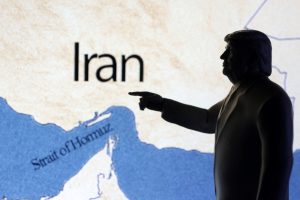
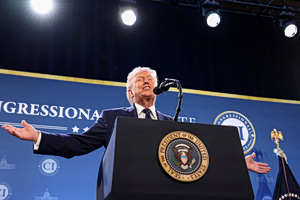
The proposal follows renewed pressure from U.S. President Donald Trump for Europe to fully cut Russian energy imports.
Broader Trade and Export Controls
The sanctions draft includes new export restrictions on 45 companies accused of helping Russia sidestep EU measures, including 12 Chinese, two Thai, and three Indian entities. These firms are alleged to have facilitated access to sensitive technologies.
In a symbolic step, the EU also proposes banning services directly tied to tourism activities in Russia.