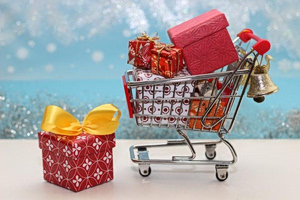
Christmas spending across the European Union is expected to rise in 2025, as inflation continues to push prices higher and regulators tighten safety standards—particularly in the toy market.
Despite ongoing economic uncertainty, European consumers appear unwilling to forgo festive shopping, though they are approaching it with greater caution, according to euronews.
Germany Leads EU Holiday Spending
Data from the analytics platform Statista show that Germany is set to become the EU’s biggest Christmas spender. In 2025, retail sales during the holiday season are projected to reach 85.24 billion euros, underscoring the dominant role of the German market.
France follows in second place, with estimated spending of 71.65 billion euros, while Italy rounds out the top three with more than 43 billion euros. The figures suggest that, despite pressure on disposable incomes, consumption remains resilient in the EU’s largest economies.
Beyond the EU, the United Kingdom tops the European rankings. A PwC survey forecasts a 3.5% increase in Christmas spending compared with 2024, even though the festive season began at a slower pace.
Inflation Pushes Prices Higher
This year’s Christmas gifts are expected to be more expensive, as eurozone inflation rose to 2.2% in November 2025, up from 2.1% a month earlier, according to Eurostat.
Higher prices are affecting everything from toys to electronics, prompting a more cautious, price-sensitive approach to holiday spending—though consumers are still allowing themselves modest indulgences, the Mastercard Economics Institute notes.
What Europeans Are Buying
Beauty products, fashion items and electronics remain the most popular gift categories across the EU, though preferences vary significantly by country.
In the final quarter of 2024, Czech consumers spent the most on cosmetics, while Poles favored jewelry and watches. Spaniards increasingly turned to second-hand goods, reflecting a shift toward more affordable and sustainable options, while Italians devoted more of their spending to household appliances.
Notably, Czech shoppers also recorded the highest spending on toys, bringing renewed attention to the issue of safety standards for children’s products.