Iran is pushing for Lebanon to be included in any potential ceasefire agreement with the United States and Israel, as the regional conflict enters its fourth week with no clear path to de-escalation.
According to Reuters, multiple regional sources reported that, Tehran has told intermediaries that any deal must also halt Israel’s offensive against Hezbollah in Lebanon, effectively tying the two fronts of the conflict together.
An Iranian official cited by state media said the country wanted a broader agreement that would end hostilities not only against Iran but also against allied groups across the region.
Lebanon central to Iran’s position
Sources familiar with Iran’s stance said Tehran had conveyed its position as early as mid-March, stressing that a ceasefire must include Lebanon. Hezbollah, the Iran-backed group that entered the war on March 2, is seeking to be part of any agreement.
A foreign official in Beirut said Hezbollah hopes that inclusion in a ceasefire deal would strengthen its political standing domestically. One regional source added that the group had received “Iranian guarantees” that its interests would be represented in negotiations.
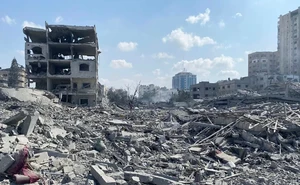
Hezbollah’s involvement triggered a major Israeli air and ground campaign in Lebanon, with Lebanese authorities reporting more than 1,000 deaths and over a million people displaced since the fighting began.
Diverging messages on negotiations
While diplomatic efforts appear to be underway behind the scenes, public statements from Washington and Tehran remain at odds.
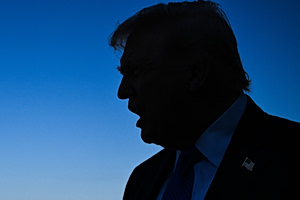
U.S. President Donald Trump said Iranian leaders were “negotiating” and eager to reach a deal to end the conflict. However, Iran’s Foreign Minister Abbas Araqchi rejected that characterization, saying no talks were taking place, though messages were being exchanged through intermediaries.
“Messages being conveyed through our friendly countries… is not called negotiation or dialogue,” Araqchi said in a televised interview.
Despite the lack of confirmed direct talks, officials indicated that proposals are being reviewed. Tehran has not rejected a U.S. ceasefire plan outright, according to a senior Iranian official.
Regional and global impact intensifies
The war, which began on February 28 with U.S. and Israeli strikes on Iran, has triggered widespread economic and humanitarian fallout.
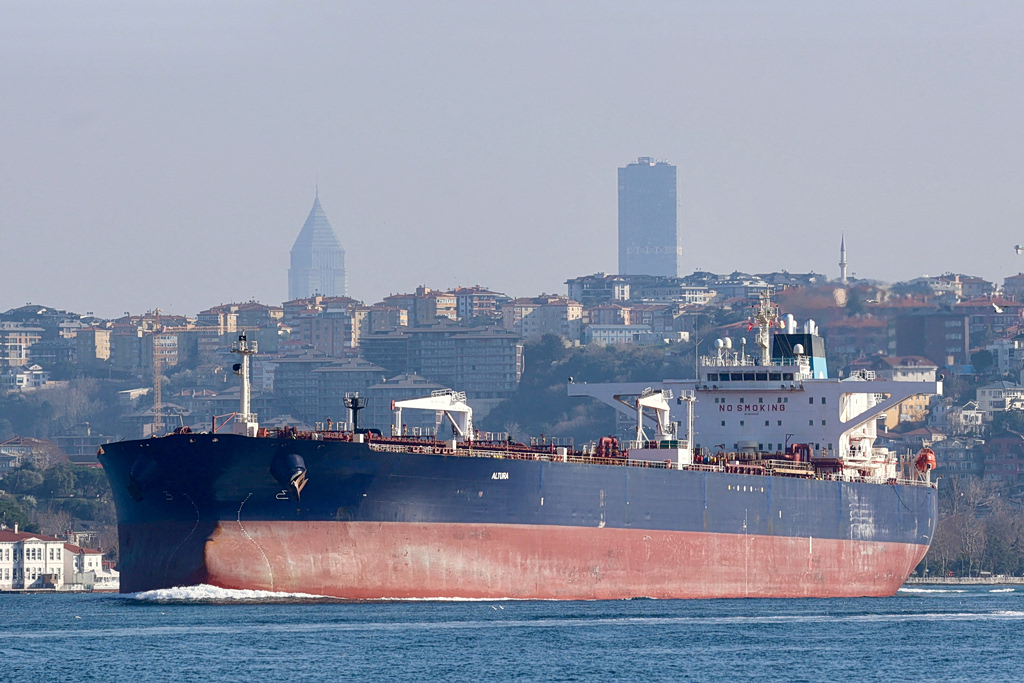
Iran’s effective closure of the Strait of Hormuz — a key route for roughly a fifth of global oil and liquefied natural gas — has caused a sharp energy shock, disrupting supply chains and driving up costs worldwide.
Businesses across multiple sectors, from airlines to agriculture, are struggling with fuel shortages and rising prices. The World Food Programme has warned that tens of millions could face acute hunger if the conflict continues.
Meanwhile, global markets have reacted sharply to shifting signals on a potential ceasefire. Initial optimism over possible negotiations faded, with oil prices resuming their climb and stock market gains reversing.
Uncertain path to de-escalation
A U.S. proposal to end the conflict reportedly includes reopening the Strait of Hormuz, curbing Iran’s nuclear and missile programs, and cutting support for regional allies. However, Israeli officials have expressed skepticism that Tehran will accept such terms.
Israel has also indicated it may continue operations against Hezbollah regardless of developments on the Iran front, suggesting the two conflicts could remain separate in practice.
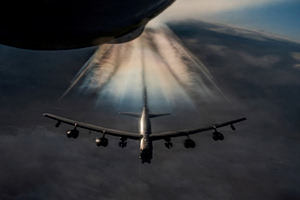
As military exchanges continue across the region, including missile strikes and large-scale attacks on infrastructure, the prospects for a comprehensive ceasefire remain uncertain.
United Nations Secretary-General Antonio Guterres warned that the situation risks spiraling into a broader war, urging all sides to shift from escalation to diplomacy.