Israel launched its heaviest strikes on Lebanon since the conflict with Hezbollah began, killing more than 250 people on Wednesday, as regional tensions escalated despite a newly announced Iran–U.S. ceasefire.
The strikes came as the Iran-aligned group Hezbollah resumed rocket fire into northern Israel, further undermining hopes that the two-week truce between Iran and the United States would help stabilize the wider region.
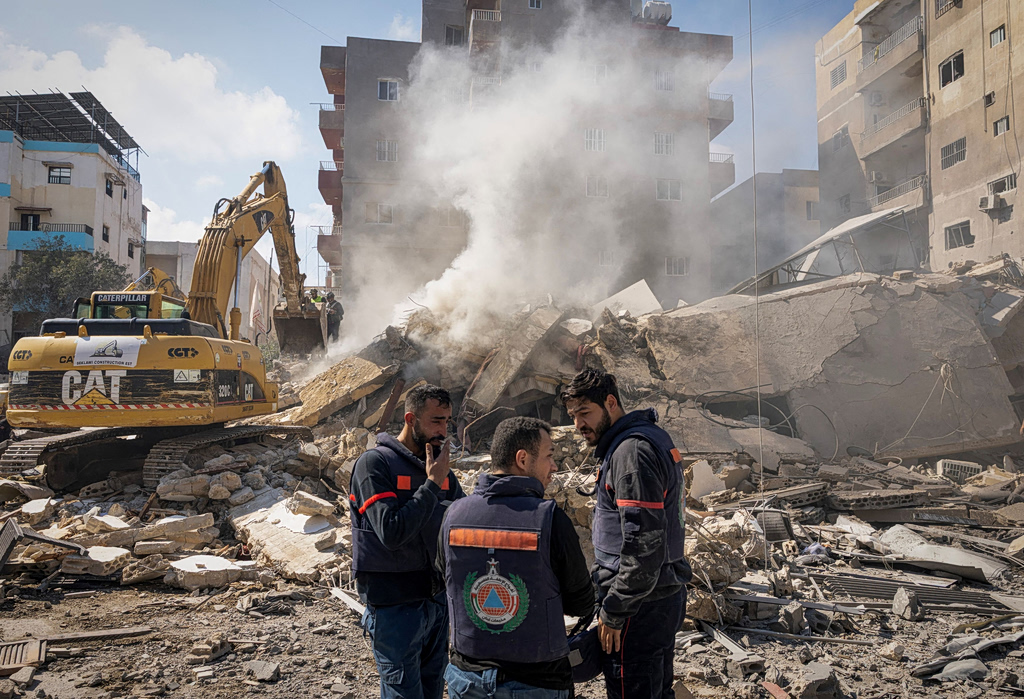
Rescue workers stand next to the rubble at the site of an Israeli strike in Tyre, Lebanon, April 8, 2026. REUTERS/Adnan Abidi TPX IMAGES OF THE DAY
Massive air campaign across Beirut and southern Lebanon
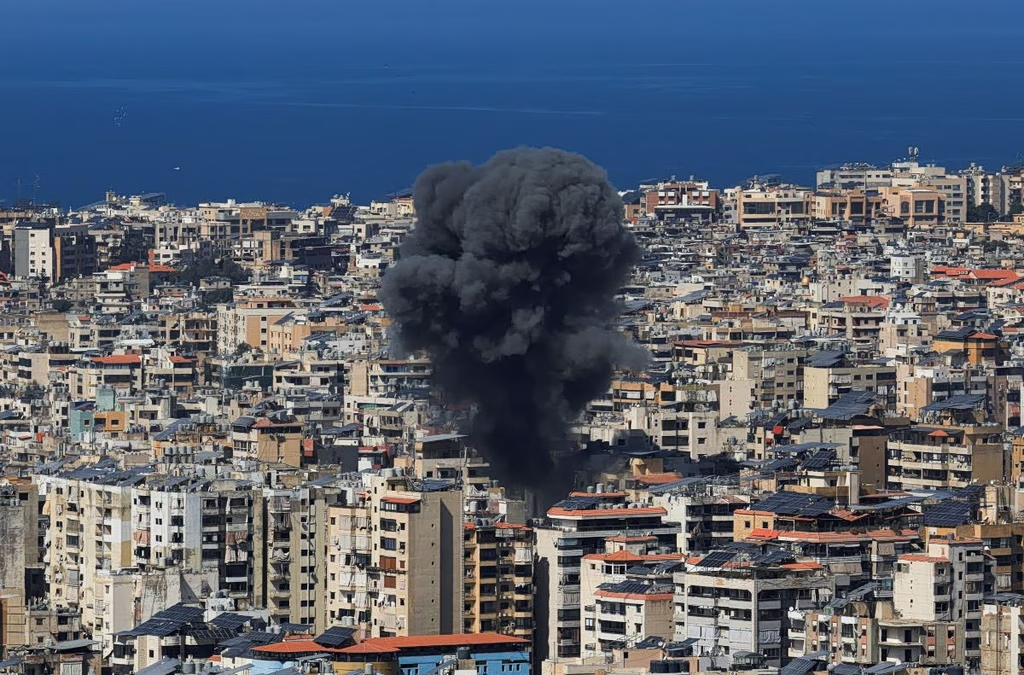
Israel’s military said it carried out what it described as its largest coordinated strike of the war, targeting more than 100 Hezbollah command centers and military sites across Beirut, the Bekaa Valley and southern Lebanon within minutes.
Lebanon’s civil defense service reported 254 people killed and more than 1,100 wounded nationwide, with 91 deaths in Beirut alone. The health ministry said the figures were still preliminary.
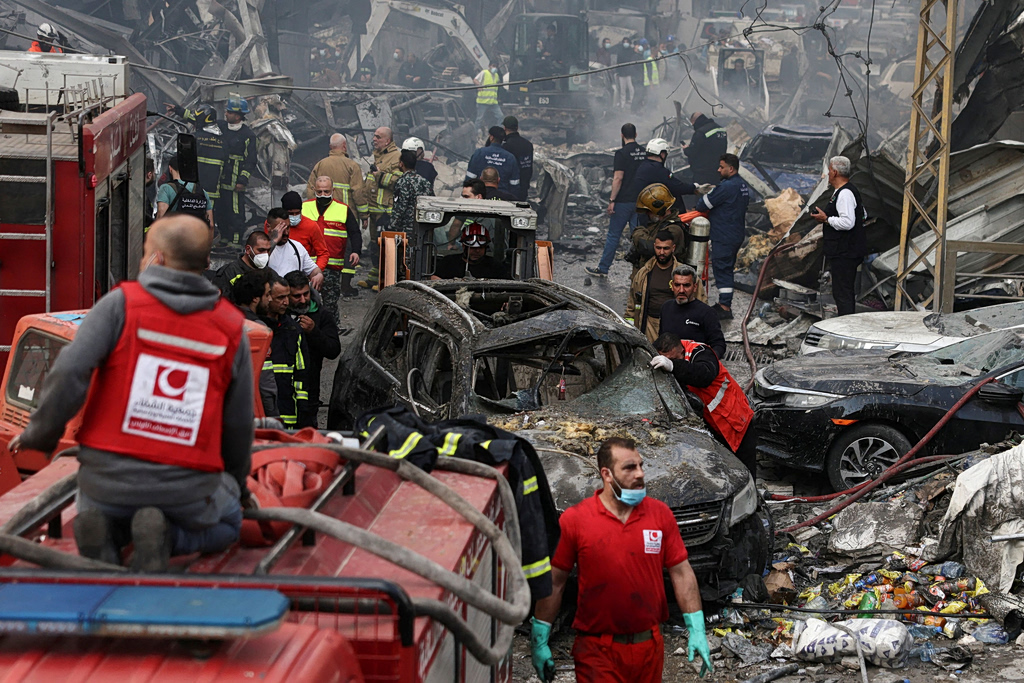
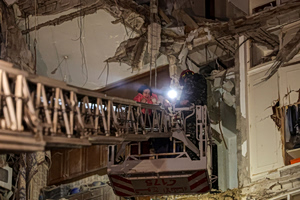
Emergency responders work at the site of an Israeli strike, in Al-Mazraa in Beirut, Lebanon, April 8, 2026. REUTERS/Yara Nardi REFILE – QUALITY REPEAT TPX IMAGES OF THE DAY
As reported in Reuters, witnesses described widespread destruction in the capital, where buildings were struck without warning in some areas, leaving residents trapped and rescue teams struggling to respond.
Hezbollah resumes rocket fire into Israel
Hezbollah said it fired rockets at the Israeli kibbutz of Manara, calling the move a response to what it described as Israeli violations of the ceasefire framework.
The group said its attacks would continue “until the Israeli-American aggression against our country and our people ceases.”
The escalation marks the deadliest day of fighting since the war began on March 2, when Hezbollah first launched attacks into Israel following the U.S.-Israeli strikes on Iran.
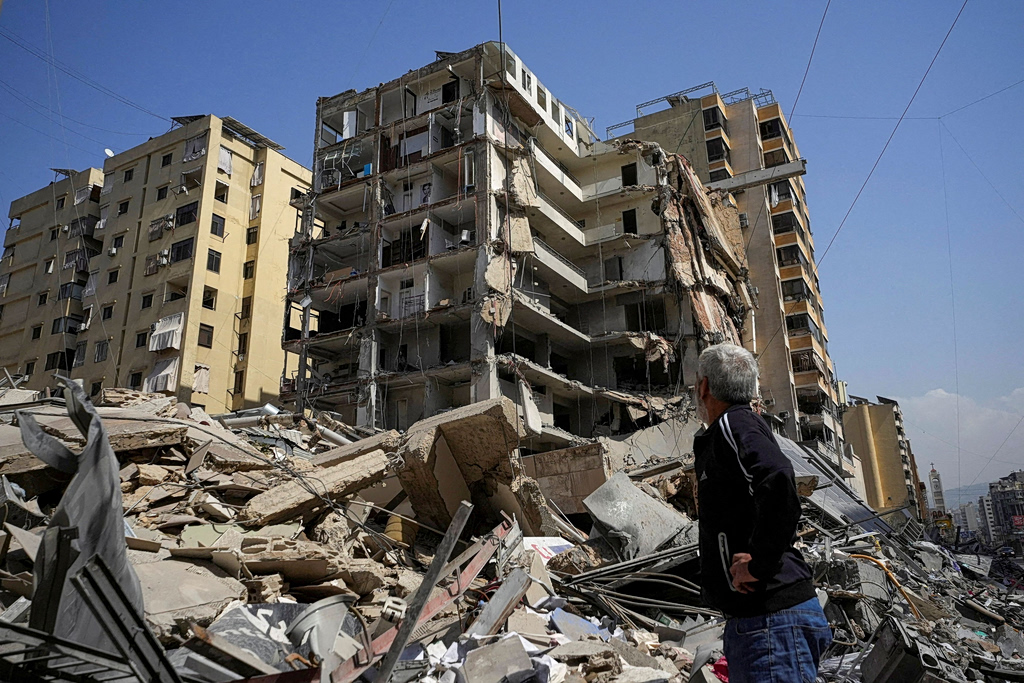
FILE PHOTO: A man stands next to a damaged building in the aftermath of Israeli strikes, amid an escalation between Hezbollah and Israel, amid the U.S.-Israeli conflict with Iran, in Beirut’s southern suburbs, Lebanon, March 12, 2026. REUTERS/Stringer/File Photo
Rising casualties and overwhelmed hospitals
Medical services in Beirut reported severe strain as ambulances were unable to reach all wounded in time. Residents used motorcycles to transport injured civilians to hospitals, while one major facility appealed urgently for blood donations of all types.
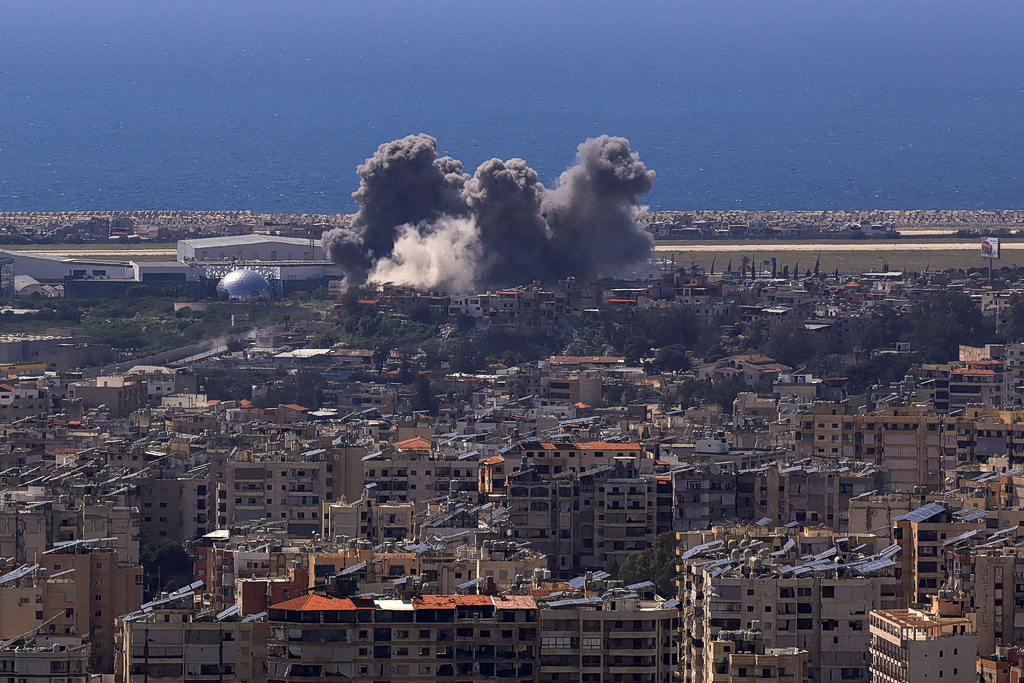
Smoke rises following an Israeli strike on the southern suburbs of Beirut, as seen from Baabda, Lebanon, April 8, 2026. REUTERS/Raghed Waked TPX IMAGES OF THE DAY
UN Human Rights Chief Volker Türk called the scale of destruction “nothing short of horrific,” warning that the violence within hours of a ceasefire announcement defied belief.
He also said international humanitarian law required protection of civilians and demanded investigations into alleged violations.
Dispute over ceasefire coverage
Israeli Prime Minister Benjamin Netanyahu said Lebanon was not included in the ceasefire with Iran, a position echoed by White House officials.
Vice President JD Vance said there had been a misunderstanding, suggesting Iran may have believed Lebanon was covered by the agreement.
However, Lebanese and Hezbollah representatives said they had initially understood the ceasefire to apply and accused Israel of continuing strikes despite the truce.
Political reactions and warnings of escalation
Iran’s Revolutionary Guards warned the United States and Israel of a “regret-inducing response” if attacks in Lebanon continue.
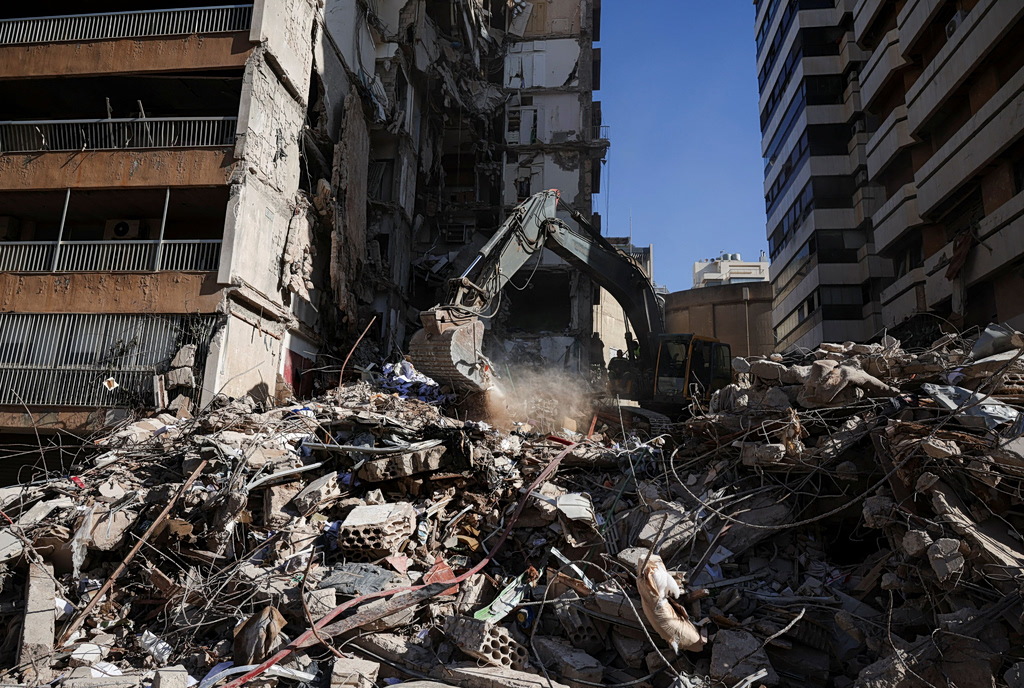
Rescuers operate an excavator as they look for a person under the rubble, at the site of an Israeli strike carried out on Wednesday, in Tallet El Khayat in Beirut, Lebanon April 9, 2026. REUTERS/Louisa Gouliamaki
Lebanese President Joseph Aoun condemned the strikes and said French President Emmanuel Macron had signaled readiness to push for Lebanon’s inclusion in any ceasefire framework.
A senior Lebanese official said Beirut had not been involved in negotiations leading up to the truce.
Human toll and displacement crisis
More than 1.2 million people have been displaced in Lebanon, with entire communities forced from the south and suburbs of Beirut. Israel has issued evacuation orders covering around 15% of Lebanese territory.
Civilian accounts described fear and exhaustion, with many saying they had hoped the ceasefire would allow them to return home.
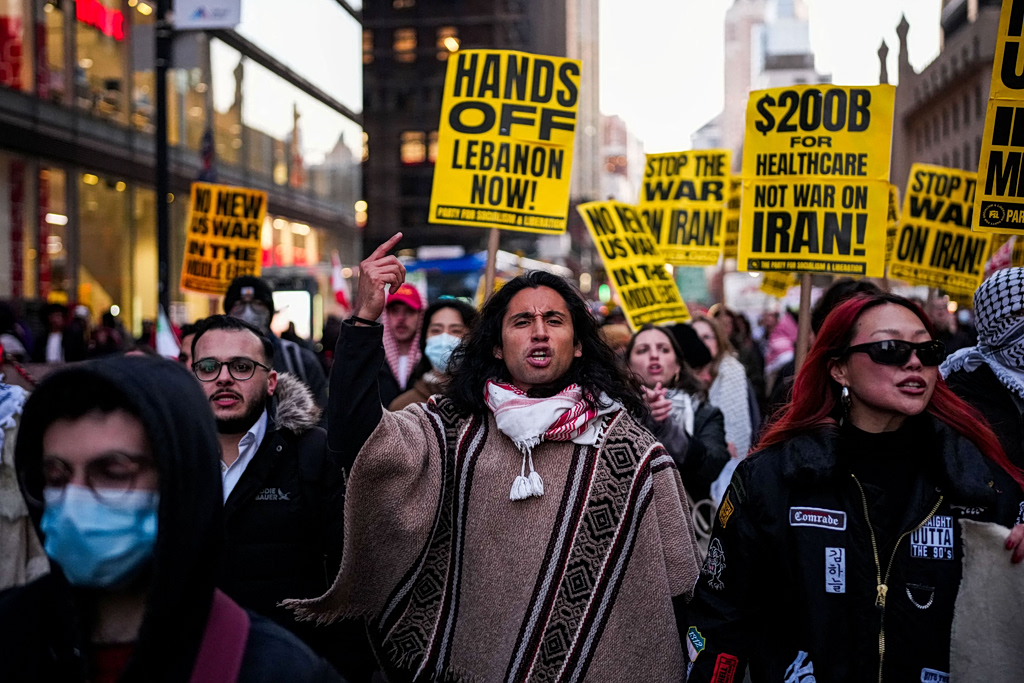
People march during a protest against the U.S.-Israeli conflict with Iran, and against conflict in Lebanon and Gaza, in New York City, U.S., April 8, 2026. REUTERS/Adam Gray
One resident in Beirut said: “Tonight I’m not going to sleep because I’m going to be afraid that it’s happening again. I’m living a nightmare.”
Calls for broader inclusion in ceasefire deal
International leaders including French and British officials urged that Lebanon be included in the ceasefire framework. France said it would pursue diplomatic efforts to ensure the agreement covers all areas of confrontation.
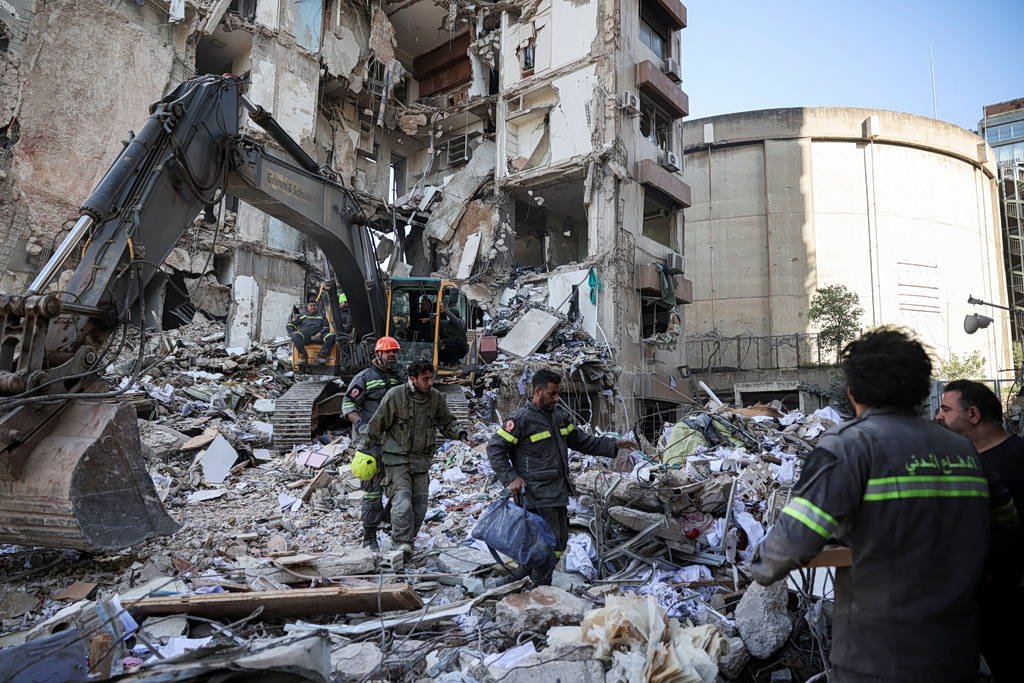
Rescuers work at the site of an Israeli strike carried out on Wednesday, in Tallet El Khayat in Beirut, Lebanon April 9, 2026. REUTERS/Louisa Gouliamaki
UN officials warned that continued strikes risk undermining already fragile peace efforts across the region.
UK calls for free navigation in Strait of Hormuz
Separately, the United Kingdom reiterated calls for free and toll-free navigation through the Strait of Hormuz, rejecting proposals that ships be charged fees to pass through the key global energy route.
British officials said freedom of navigation must not be restricted on an international waterway, and urged that Lebanon be included in any ceasefire arrangement.
Macron warns ceasefire must include wider issues
French President Macron said any lasting agreement must address not only the conflict in Lebanon but also concerns over Iran’s nuclear and ballistic missile programmes, as well as maritime security in the Strait of Hormuz.
He said he had spoken with leaders in both Tehran and Washington, stressing that Lebanon’s inclusion was “a necessary condition” for a credible ceasefire.
The United Nations condemned the strikes, calling casualty reports “appalling” and warning that the scale of destruction places enormous pressure on fragile peace efforts.