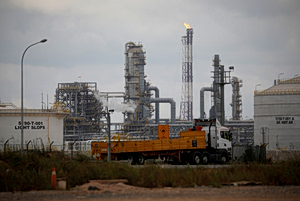
The ongoing conflict in the Middle East has caused severe damage to more than 40 energy projects across nine countries, creating disruptions comparable to three major historical energy crises, according to Fatih Birol, head of the International Energy Agency.
Birol warned that the destruction of oil fields, refineries, and pipelines could prolong supply disruptions even after the conflict ends, highlighting the long-term impact on global energy chains.
A Crisis on the Scale of the 1970s and 2022
The disruptions—including the closure of the strategic Strait of Hormuz—have effects similar to the two oil crises of the 1970s combined with the 2022 gas crisis triggered by Russia’s invasion of Ukraine. “This is unprecedented in its scale and scope,” Birol said, emphasizing the severe consequences for worldwide fuel and energy trade.
Asia on the Front Lines
Asia is particularly vulnerable due to its heavy reliance on crude oil from the region. Beyond oil and gas, essential commodities such as petrochemicals, fertilizers, sulfur, and helium are also affected, posing broader risks to the global economy.
Calls for Global Coordination
Birol criticized unilateral export restrictions, such as China’s recent limitations on fuel exports, noting that international cooperation is crucial in managing the crisis.
To mitigate disruptions, the International Energy Agency announced in early March that it would release a record 400 million barrels from its emergency oil reserves. Additional releases are possible if further conflict threatens fuel markets.
However, with maritime traffic in the Strait of Hormuz nearly halted, Birol stressed that the only lasting solution is the safe reopening of this critical trade route.