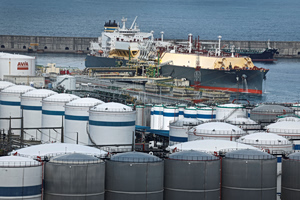
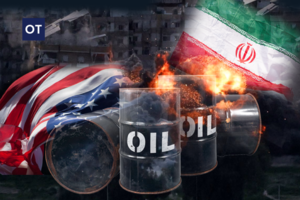
A coordinated release of 400 million barrels from strategic stockpiles aims to ease soaring prices and supply disruptions linked to attacks affecting energy flows through the Strait of Hormuz
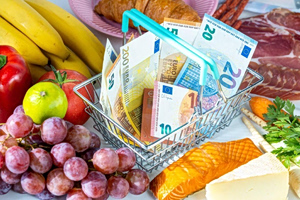
The government imposed temporary limits on profit margins for fuel, food and essential products until June 30, aiming to prevent price gouging amid economic pressures linked to the Middle East conflict
The greek government will impose a three-month cap on profit margins for fuel and supermarket goods to prevent price gouging linked to the Middle East crisis. The government will present the detailed measures later today.
Over the weekend Kuwait began cutting production, the latest regional supplier to rein in output after Iraq and Qatar
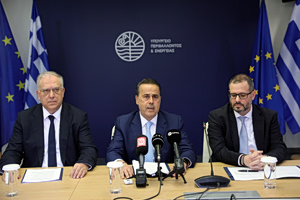
Energy Minister Stavros Papastavrou warns the Middle East war is already pushing up fuel prices in Greece, says intervention could come if oil hits $100 a barrel and notes the country holds more than 90 days of reserves.
A halt in Qatari LNG production is rattling global energy markets, and Greece, which is heavily dependent on imported fuel, could potentially face rising inflation, a wider trade deficit, and slower growth.
Rising refining margins and higher aluminum prices, linked to tensions in the Middle East, could strengthen prospects for Greece’s energy and metals sectors, according to analysis from Optima Bank.
Rising Middle East tensions and the risk of another energy price surge are testing how much fiscal space Greece has to shield households and the economy from a new wave of inflation.
Qatar's energy minister told the Financial Times in an exclusive interview that a continued Middle East war could send oil to $150 a barrel and force every Gulf energy exporter to halt shipments within days.
Deputy Prime Minister Kostis Hatzidakis says an announcement on reducing industrial energy costs is imminent, as the government works to boost competitiveness and attract investment.
A tense parliamentary exchange over electricity costs and energy security exposed sharp disagreements over Greece’s green transition, market structure and the broader economic reality facing households.
Eurostat reports that 19% of people in Greece could not keep their homes adequately warm in 2024, slightly improved from 19.2% in 2023, but still more than double the EU average
Geopolitics, climate-related losses, global debt pressures and inflated AI company valuations could pose challenges for Greece’s economy, even as growth and market indicators improve, according to the president of the Athens Chamber of Commerce and Industry
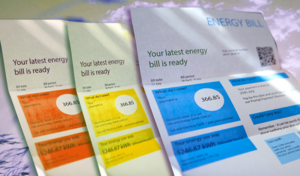
Rising gas and power costs across the EU, driven by extreme weather, low reserves and market volatility, are weighing heavily on households and businesses, with Greece facing some of the steepest electricity prices in Europe
In a TV interview after a Riyadh visit, Greece’s energy minister outlined three strategic connectivity projects with Saudi Arabia, framed within EU energy policy, maritime decarbonization talks, and efforts to curb household power costs.
Greece’s Energy Ministry outlines 23 practical steps—ranging from simple daily habits to targeted home upgrades—to help households reduce electricity use and manage soaring power costs
For September, Greece’s average electricity price is 90.99 euros/MWh, up nearly 19% from 73.73 euros in August.
The SBE has repeatedly highlighted that while other European countries support their industries against energy price shocks, Greece lags behind.
High power costs have long undermined Greek manufacturers, with European industry as a whole still paying two to three times more for energy compared to rivals in the U.S. and China.
Minister of Energy and Environment Stavros Papastavrou said the government was considering a series of measures to alleviate consumer pressure if electricity costs increased