Greg Brockman, president of OpenAI, testified in court that Elon Musk once sought full control of the company in part to raise $80 billion to build a self-sustaining city on Mars.
The remarks came during the second week of a closely watched trial in California that could shape the future of OpenAI, which gained global prominence after launching its ChatGPT chatbot in 2022.
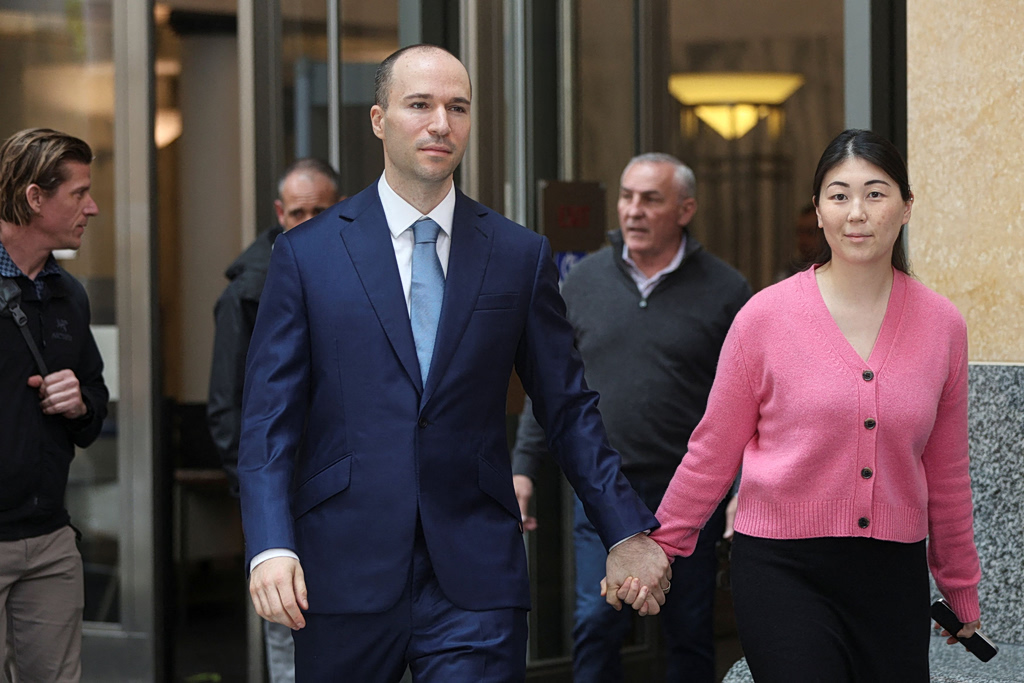
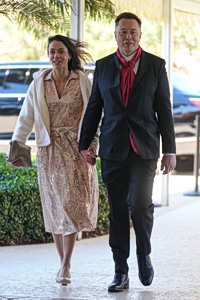
Greg Brockman, president of OpenAI, accompanied by his wife Anna, walks outside a federal courthouse as the trial in Elon Musk’s lawsuit over OpenAI’s for-profit conversion continues, in Oakland, California, U.S., May 5, 2026. REUTERS/Manuel Orbegozo
According to Brockman, Musk supported transforming OpenAI from a nonprofit into a for-profit entity as early as 2017, arguing that such a structure would make it easier to secure the massive funding required to develop advanced artificial intelligence systems.
However, Brockman said Musk wanted to lead the organization if that transition occurred and sought a majority stake. “He said he needed $80 billion to create a city” on Mars, Brockman told the court, adding that Musk intended to decide when to relinquish control.
The lawsuit, brought by Musk, accuses OpenAI and its chief executive Sam Altman of misleading him into contributing $38 million to a nonprofit that later shifted toward a for-profit model. Musk is seeking $150 billion in damages to be paid to the nonprofit and has called for Altman and Brockman to be removed from leadership roles.
Brockman described a tense 2017 meeting in which Musk rejected a proposed equity structure and left abruptly, allegedly threatening to withhold funding. He said Musk’s position was rooted in his belief that his business experience justified majority ownership.
The testimony also highlighted the scale of OpenAI’s ambitions. Brockman said the company plans to spend $50 billion on computing resources in 2026 alone, as it competes in the rapidly evolving AI sector.
Musk, who left OpenAI’s board in 2018, has been critical of the company’s direction. OpenAI has countered that Musk’s legal action is motivated by frustration over its success and linked to his own AI venture, xAI, which recently merged with SpaceX.
The case also revealed the vast financial stakes involved. Brockman testified that his personal stake in OpenAI is worth nearly $30 billion, while the company itself has raised more than $100 billion and is reportedly preparing for a potential $1 trillion initial public offering.
Meanwhile, SpaceX could also pursue a major IPO. Company filings indicate Musk could receive significant additional shares if the firm reaches a $7.5 trillion valuation and establishes a permanent Mars colony with at least one million people.
The trial continues as both sides contest the direction and governance of one of the world’s most influential AI companies.