The attacks, confirmed by officials in both Islamabad and Kabul, targeted Taliban posts, headquarters and ammunition depots in multiple sectors along the shared border, according to Pakistani security sources. Taliban spokesperson Zabihullah Mujahid said the strikes hit areas in Kabul, Kandahar and Paktia.
Pakistan’s Defence Minister Khawaja Muhammad Asif described the situation as a turning point. “Our cup of patience has overflowed. Now it is open war between us and you (Afghanistan),” he said.
Both sides reported heavy casualties, though the figures could not be independently verified. Pakistani government spokesperson Mosharraf Zaidi said 133 Afghan Taliban fighters were killed and more than 200 wounded, with 27 posts destroyed and nine captured. Mujahid, however, said 55 Pakistani soldiers were killed and 19 posts seized, while Taliban losses included eight fighters killed, 11 wounded and 13 civilians injured in Nangarhar province.
The strikes mark a significant escalation in a long-running dispute between the two countries over militant activity along their 2,600-km border. Islamabad has repeatedly accused Kabul of harboring militants responsible for attacks inside Pakistan, a claim the Taliban deny, insisting Pakistan’s security issues are internal.
Violence intensified following earlier Pakistani air strikes this week targeting what Islamabad described as camps of Tehreek-e-Taliban (TTP) and Islamic State militants in eastern Afghanistan. Afghan authorities said those strikes killed 13 civilians and warned of a strong response.
Clashes erupted again on Thursday night when Taliban forces launched what they called retaliatory attacks on Pakistani military installations, with both sides claiming to have destroyed border posts.
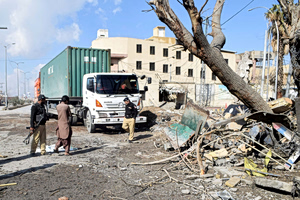
Witnesses in Kabul reported loud explosions overnight, followed by the sound of jets and ambulance sirens. Video footage shared by Pakistani officials appeared to show artillery fire lighting up the night sky along the border, while separate footage from Kabul showed thick black smoke rising from strike sites and fires burning in parts of the capital.
In Paktia province, another video showed a building engulfed in flames, which Pakistani officials identified as a Taliban headquarters.
Zaidi said Pakistani counter-strikes were ongoing and described them as a response to “unprovoked Afghan attacks.” Meanwhile, Afghan state media reported preparations for further escalation, including claims that suicide attackers were ready to strike major targets.
Pakistan has remained on high security alert in recent days, amid fears of increased militant attacks in urban areas.