Authorities in Russia launched a major search operation after losing contact with a passenger aircraft carrying around 50 people in the country’s Far East. The aircraft, an Antonov An-24 operated by regional airline Angara, was en route to the city of Tynda in the Amur region when it disappeared from radar just a few kilometers from its destination.
According to initial reports from Russian news agencies Interfax and SHOT, the incident occurred on Thursday, sparking an immediate response from emergency services.
Search and Rescue Operation Underway
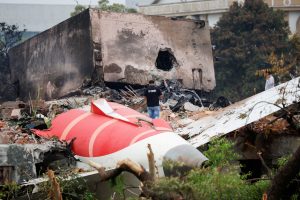
“All necessary forces and resources have been deployed to locate the aircraft,” Governor Orlov wrote on Telegram, highlighting the urgency of the situation. Shortly after the launch of the search operation, wreckage from the Antonov An-24 was reportedly located by Russian authorities.
A helicopter involved in the search operations located debris and the burning fuselage of the aircraft, according to the Tass news agency. “During the search operations, a Rosaviatsia Mi-8 helicopter found the aircraft’s fuselage—it has caught fire. Rescue teams are heading to the crash site,” the agency reported.
Further details about the condition of the passengers or the cause of the disappearance have not yet been released.
Conflicting Reports on Number of Passengers
Earlier reports by Vasily Orlov, governor of the Amur region, indicated that 43 passengers, including five children, and six crew members were onboard. However, the Ministry of Emergency Situations cited a slightly lower number, suggesting around 40 people were on the aircraft at the time of the incident.
Flight Path and Area of Concern
The flight path included a journey across a remote area near the border with China, adding complexity to search efforts. The An-24, a Soviet-era twin turboprop aircraft, is often used for regional flights in challenging terrains.
As the investigation continues, Russian officials are working to determine the exact sequence of events that led to the aircraft’s disappearance and the current status of those on board.