Entertainment and cultural activities have always served an important purpose in society: bringing people together. Regardless of politics, conflicts, crime or geopolitical tensions, music, art, and sport have consistently created moments where people from different backgrounds can come together, celebrate, and share a common experience. Of course, this does not mean these spaces are free from problems. Passion can sometimes become extreme, and intense rivalries or emotions can occasionally lead to hostility and even violence. Yet, at their core, entertainment and sport remain powerful tools for connection and unity.
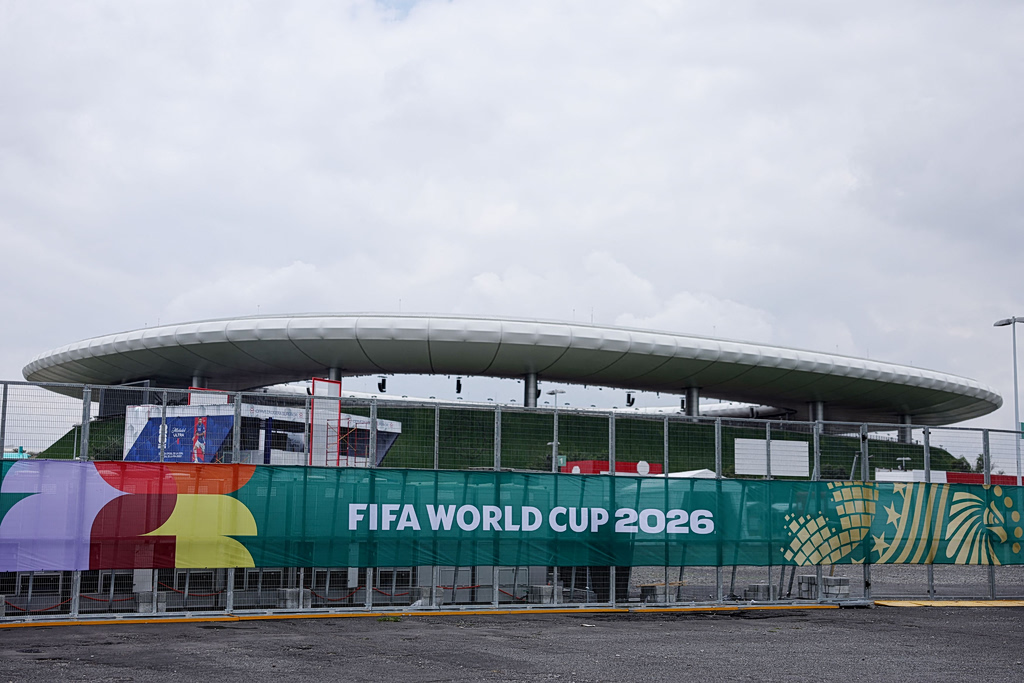
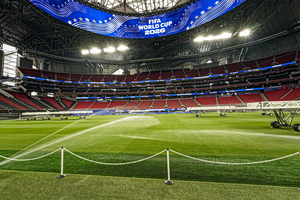
Soccer Football – FIFA World Cup 2026 – Group A – South Korea v Czech Republic Preview – Estadio Guadalajara, Guadalajara, Mexico – June 9, 2026 General view of the stadium ahead of the match REUTERS/Amanda Perobelli
That is why the FIFA World Cup has always represented more than just football. Every four years, it becomes a global gathering where nations compete, cultures meet, and millions of supporters experience the game together. The tournament creates moments of collective celebration — whether that means families and friends gathering at home over food and drinks, or fans travelling across borders to support their teams.
However, the 2026 World Cup arrives at a particularly fraught moment in global affairs. With ongoing wars, political instability, public health concerns and increasingly strict immigration and travel policies in host countries such as the United States, questions surrounding the access and inclusiveness of the tournament have grown.
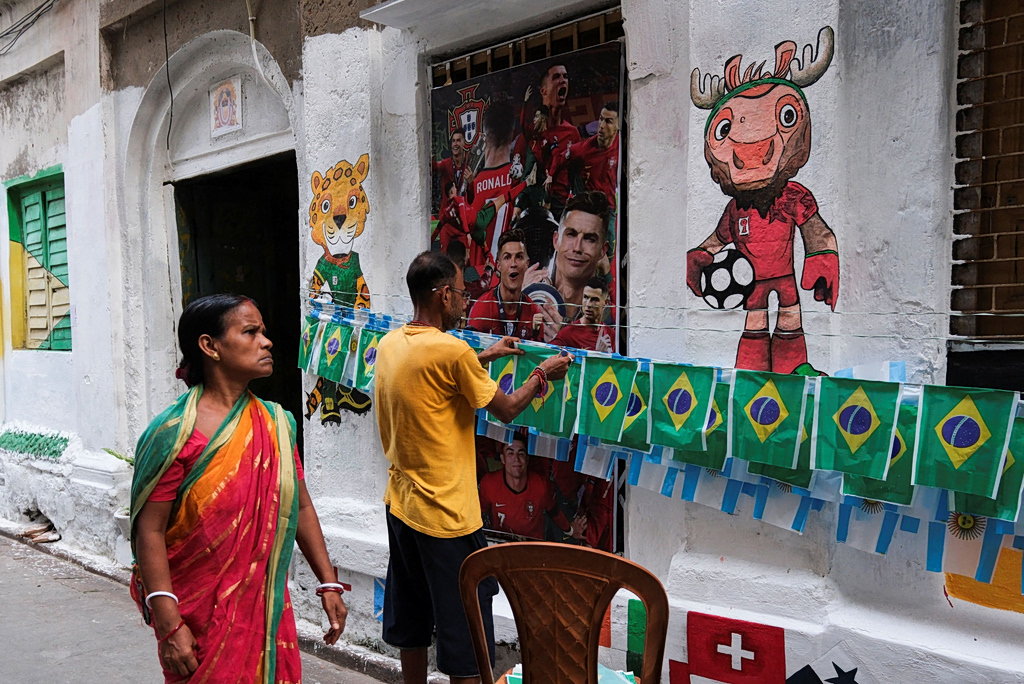
A soccer fan puts up team flags along a street ahead of the 2026 FIFA World Cup in Kolkata, India, June 9, 2024. REUTERS/Sahiba Chawdhary
As the World Cup prepares to take place across the United States, Canada and Mexico, it is facing increased scrutiny. Concerns over rising ticket prices, expensive travel costs, visa difficulties, immigration policies and FIFA’s leadership have fueled a wider debate: whether football’s biggest event is becoming disconnected from the everyday supporters who have always given it its identity.
A World Cup that is becoming harder to afford
One of the biggest criticisms surrounding the 2026 tournament is the growing cost of attending matches. While FIFA has promoted the event as the largest World Cup in history, with more teams and more games than previous editions, many supporters fear that expansion is coming at a price. In March, FSE filed a lawsuit with the European Commission in targeting Fifa tickets prices.
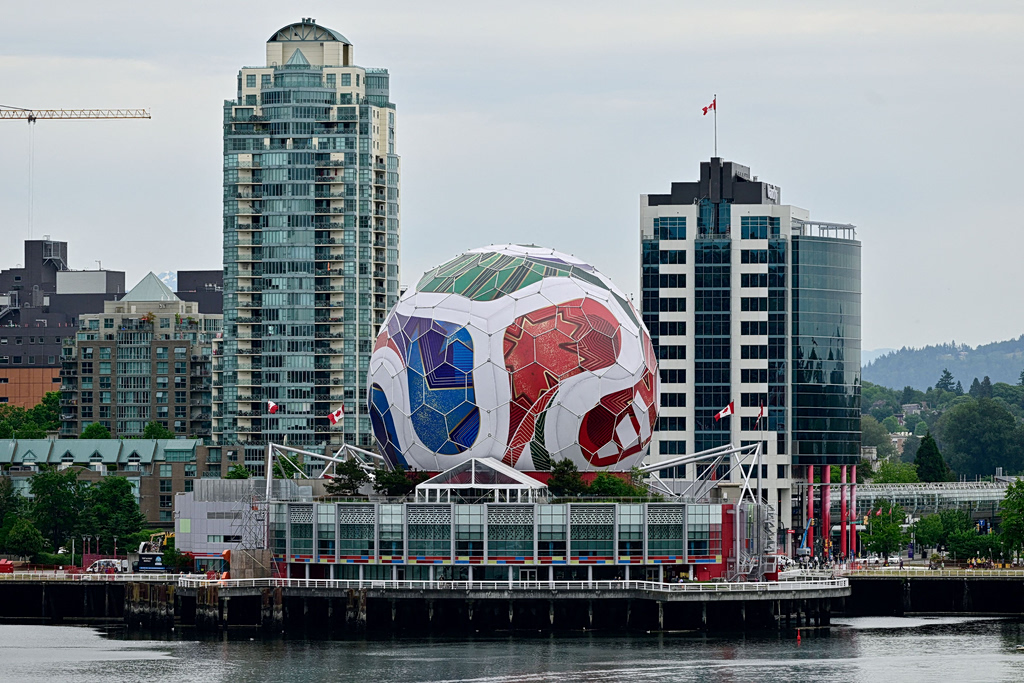
FILE PHOTO: The dome at Science World has been transformed into a 360-degree, 40-metre-diameter re-creation of a match ball ahead of the FIFA World Cup soccer tournament in Vancouver, British Columbia, Canada, June 3, 2026. REUTERS/Jennifer Gauthier/File Photo
Ticket prices have become a major point of discussion among fans, with concerns that attending a World Cup match is becoming a luxury rather than an achievable experience for working-class supporters. In 2022, the most expensive ticket for the final was about 1,600$, while in 2026 the most expensive tickets are about 11,000$.
Qatar World Cup vs USA World Cup ticket prices pic.twitter.com/GZtJNmmfhn
— World Cup 2026 Daily (@TotalFootball) June 9, 2026
FIFA president Gianni Infantino has defended the organization’s approach, arguing that pricing reflects demand and the commercial realities of hosting the tournament in North America. “You cannot go to watch in the US a college game, not even speaking about a top professional game of a certain level, for less than $300, And this is the World Cup.”, Infantino said.
Infantino was adamant that the steep increase in face-value prices were justified as the entertainment market is the most developed. Critics, however, argue that football has historically been built around accessibility and that excessive costs risk changing the relationship between fans and the sport.
The financial challenge extends far beyond the price of a ticket. Supporters travelling internationally must also consider flights, accommodation, local transport and daily expenses in some of the world’s most expensive cities; with global instability adding further uncertainty. Geopolitical tensions, including the ongoing conflict involving Iran, have already affected travel conditions, increased pressure on households and contributed to wider concerns over the affordability of international travel.
A train ticket from the main train station in New York (Penn Station) to MetLife Stadium normally costs $13. During the World Cup, it will cost $98.
That is a price increase of 653.8%pic.twitter.com/IPuXC4dtGA
— World Cup 2026 Daily (@TotalFootball) June 9, 2026
For many fans, following their national team at the World Cup could require thousands of dollars, creating concerns that the tournament is increasingly designed for wealthier visitors rather than traditional football supporters.
The visa problem: a global tournament with barriers at the border
It is also no secret that the United States’ increasingly strict immigration policies and the expansion of border enforcement efforts have raised concerns about access ahead of the 2026 World Cup. Another major issue surrounding the tournament is the difficulty some supporters, officials and individuals connected to international football have faced when attempting to enter the country.
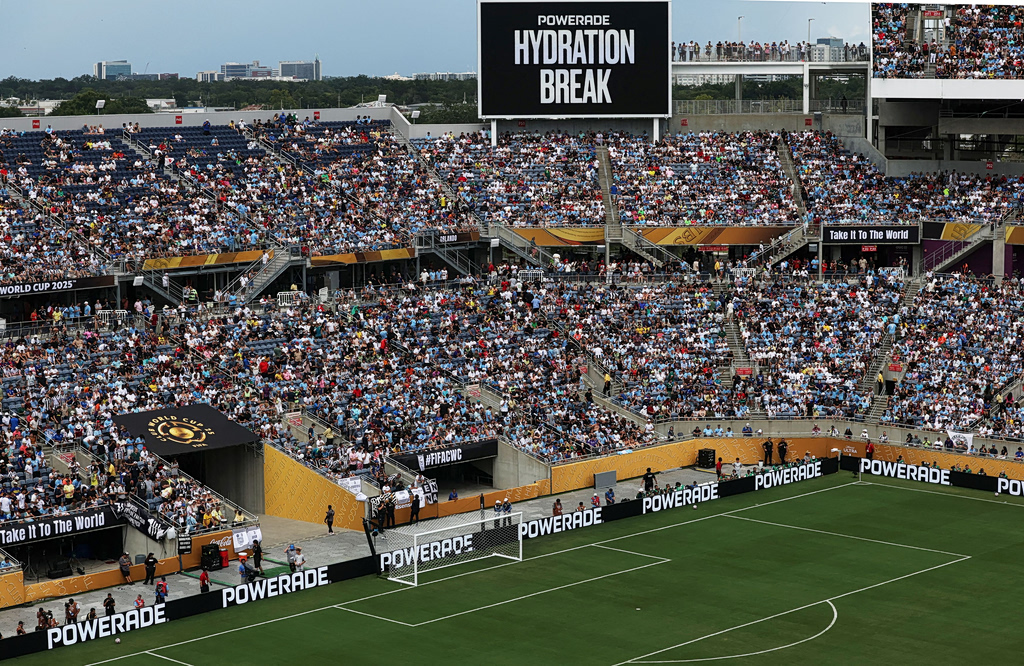
FILE PHOTO: Soccer Football – FIFA Club World Cup – Group G – Juventus v Manchester City – Camping World Stadium, Orlando, Florida, U.S. – June 26, 2025 General view inside the stadium during a hydration break REUTERS/Amanda Perobelli/File Photo
Because the World Cup will take place during a period of heightened political attention surrounding immigration and border security, some fans worry that attending the tournament may depend not only on their ability to afford the journey, but also on whether they are granted permission to enter the United States.
Reports have highlighted cases involving visa delays, restrictions and difficulties affecting people connected to football, raising questions about how welcoming the host country will be to visitors from around the world. Critics argue that a tournament built around global participation risks sending a contradictory message if supporters and participants are unable to fully take part. The issue has become particularly sensitive because the World Cup is consistently presented as a symbol of unity and international connection. Many supporters argue that a truly global event should make it easier — not harder — for people from different countries and backgrounds to participate.
These concerns do not only apply to travelling fans, but also to players, officials and national teams themselves. Several incidents involving football delegations have intensified the debate around border control, security measures and potential discrimination.
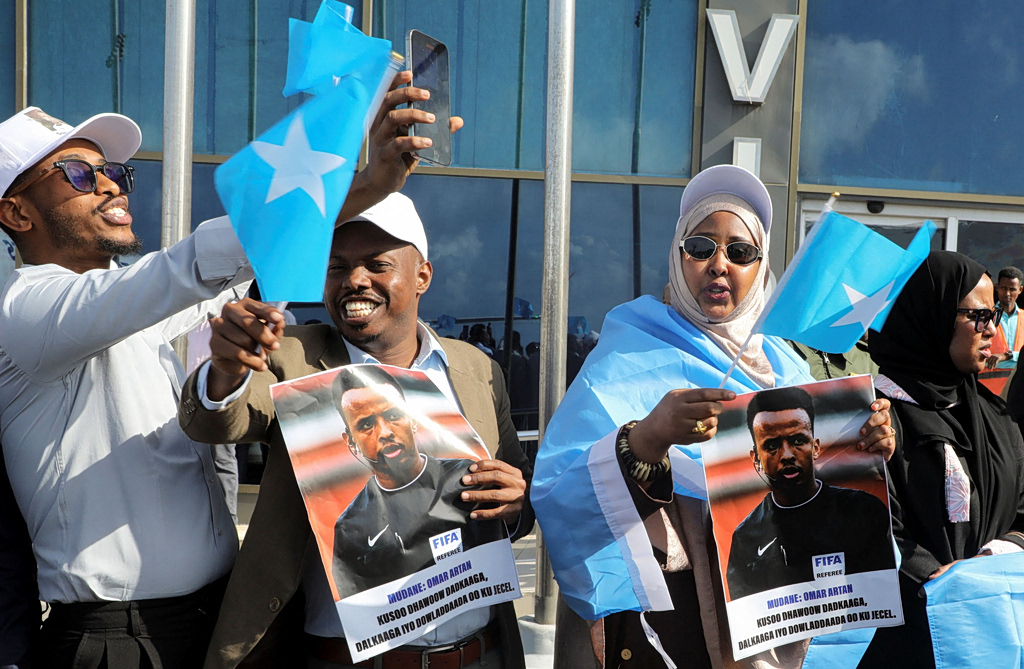
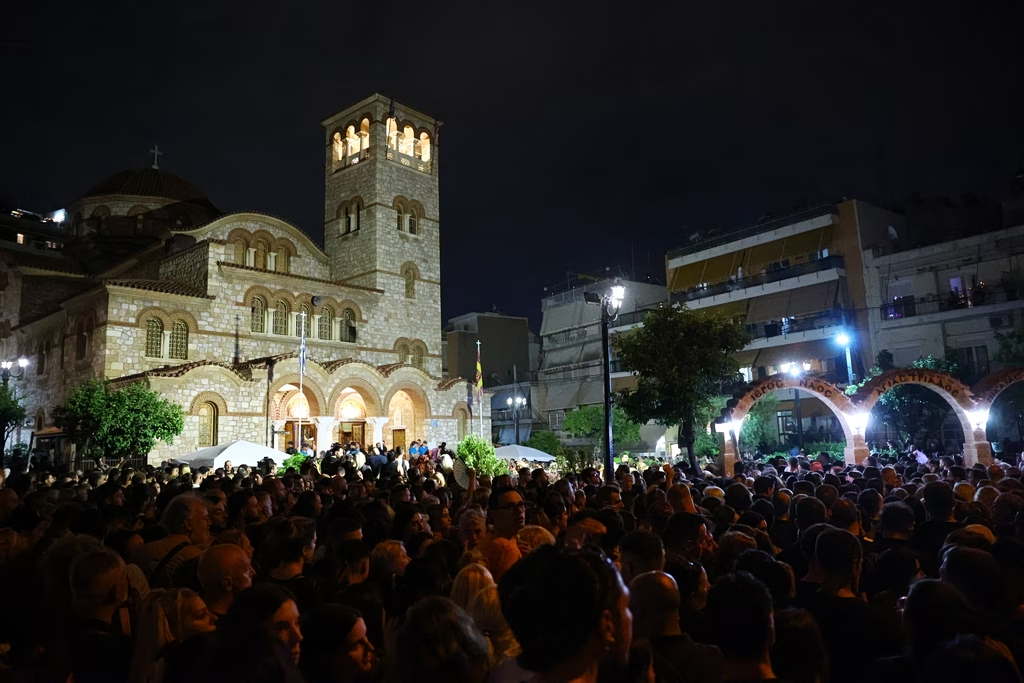
People gather to receive Somali referee Omar Abdulkadir Artan, who had been expected to officiate at matches during the 2026 FIFA World Cup but was denied entry to the United States, as he arrives at the Aden Abdulle Osman International Airport in Mogadishu, Somalia June 10, 2026. REUTERS/Feisal Omar
One example involved referee Omar Artan, who was appointed by FIFA for the tournament and recognized as one of Africa’s leading referees. Reports stated that Artan was refused entry into the United States, after being turned away at Miami airport, despite holding a diplomatic passport.
🚨🇸🇴 Somali referee Omar Artan (CAF Best African Referee 2025) denied US entry.
Turned away at Miami airport despite diplomatic passport, was set to be Somalia’s first World Cup referee. pic.twitter.com/YsGIglzJrZ
— World Cup 2026 Daily (@TotalFootball) June 8, 2026
🔥 Hero’s Welcome in Somalia!
African Referee of the Year Omar Artan, denied entry to the USA for the World Cup, lands back home to massive crowds, cheers & pride in Mogadishu! 🇸🇴pic.twitter.com/JUCRs51EJK
— World Cup 2026 Daily (@TotalFootball) June 10, 2026
The Iranian national team also encountered complications. Members of the delegation were unable to obtain US visas and instead travelled through Mexico, with restrictions reportedly affecting their ability to move freely and participate in activities beyond matchdays.
Iran’s 🇮🇷 World Cup squad just landed in Tijuana, Mexico…
15 members of their delegation were DENIED US visas.
They can only cross the border on matchdays… and must leave the same night.pic.twitter.com/h9arQgQ3nU
— World Cup 2026 Daily (@TotalFootball) June 7, 2026
The 15 members of the delegation were denied US visas. According to existing information the team will only be allowed to cross borders on matchdays, and then would have to leave on the same night. This will prevent them from carrying out media duties, which is something that all teams have to do. As reported in the Guardian, the Iranian football federation claimed that the co-hosts had also reduced the team’s supporter ticket allocation, describing the decision as an attempt to limit the presence of Iranian fans. Head coach Amir Ghalenoei expressed disappointment, stating that the team had never experienced similar treatment before.
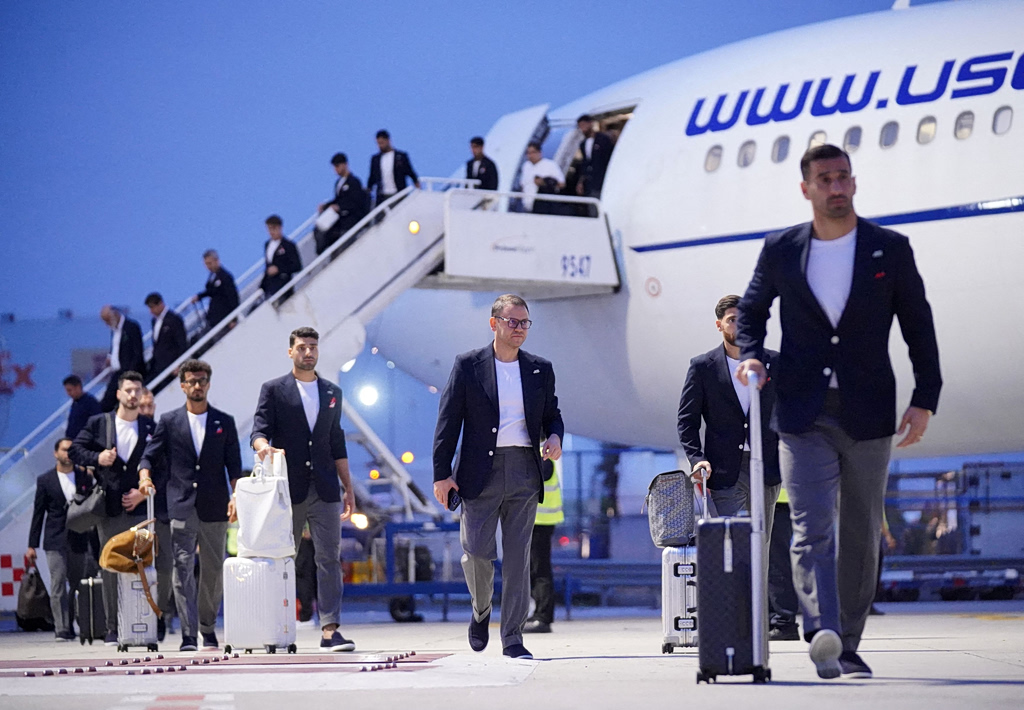
FIFA World Cup 2026 – Team Iran arrives at Tijuana for World Cup – Tijuana International Airport, Tijuana, Mexico – June 7, 2026 Iran’s Mehdi Taremi and Alireza Jahanbakhsh arrive with the team ahead of the World Cup REUTERS/Victor Medina TPX IMAGES OF THE DAY
Other teams have also faced travel and entry-related problems. Iraq striker Aymen Hussein was reportedly detained and questioned for 7 hours by US authorities at Chicago O’Hare International Airport before being allowed to enter the country, while team photographer Talal Salah was denied entry after reportedly being held for 10 hours and faced additional security checks involving his phone and personal belongings.
🚨 IRAQ 🇮🇶 striker Aymen Hussein was held & INTERROGATED for 7 HOURS by US authorities before being allowed into the country for the World Cup.
Welcome to America, I guess?pic.twitter.com/1urYwjYKdi
— World Cup 2026 Daily (@TotalFootball) June 6, 2026
The South African national team also experienced disruption after paperwork issues affected their planned travel arrangements, delaying their departure from Johannesburg to Mexico City.
A video circulating on social media, specifically X, shows the Senegal delegation going under intense security checks, with full body searches, removal of shoes, and checks of their personal belongings.
The difference between the reception of Senegal’s National Team in the United States and the reception of Spain’s National Team in the Mexico.
— World Cup 2026 Daily (@TotalFootball) June 9, 2026
Another incident involved the Uzbekistan national team, whose delegation faced additional security checks before their warm-up match against the Netherlands in New York. Reports stated that Uzbekistan’s squad, including head coach Fabio Cannavaro, were checked by federal officers with police dogs outside their team bus before the match, which Uzbekistan lost 2-1.
The Uzbekistan 🇺🇿 national team faced crazy security in the USA before facing the Netherlands
Full body searches with sniffer dogs 😳pic.twitter.com/sIfS0NwOqy
— World Cup 2026 Daily (@TotalFootball) June 8, 2026
While security procedures can affect teams from many different countries depending on the domestic legal procedures, the pattern of mistreatment experienced by certain groups raise wider concerns about discrimination. The treatment of the Senegal team specifically has raised attention online, creating concern about the racism teams from Afica and the Middle East are facing when arriving in the US.
FIFA’s image problem and accusations of losing touch
The concerns around the 2026 World Cup are also connected to wider criticism of FIFA as an organization.
For years, FIFA has faced questions over transparency, governance and the influence of money in football. Under Gianni Infantino’s leadership, the organization has focused heavily on expanding commercially and increasing FIFA’s global reach. Supporters of this strategy argue that it brings more countries into the competition and increases opportunities worldwide.
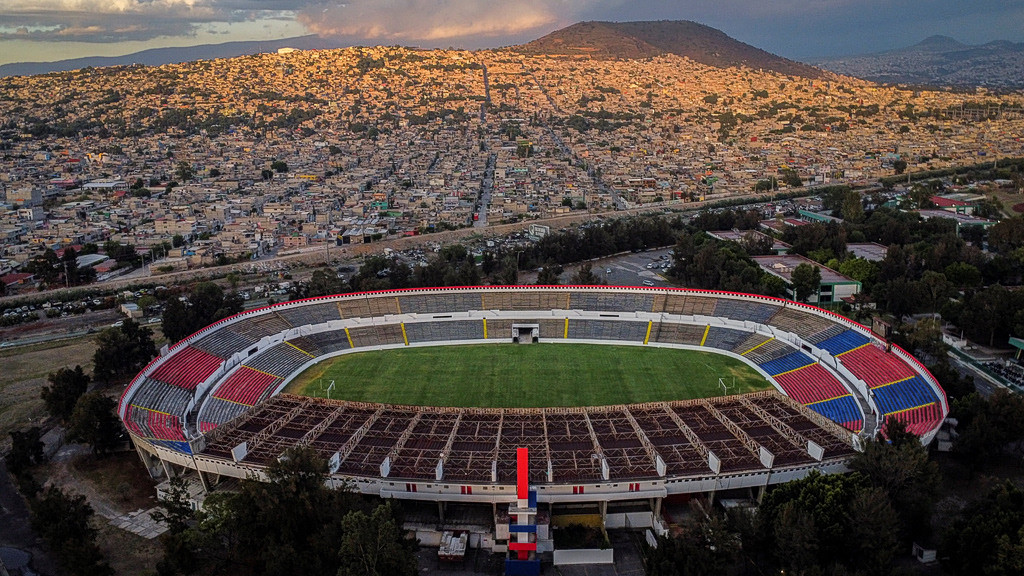
A drone view shows the Neza 86 Stadium, which hosted matches during the 1986 FIFA World Cup, on the outskirts of Mexico City, Mexico, May 28, 2026. REUTERS/Raquel Cunha SEARCH “CUNHA MEXICO SOCCER” FOR THIS STORY. SEARCH “WIDER IMAGE” FOR ALL STORIES. TPX IMAGES OF THE DAY
However, there is a worry that financial priorities have increasingly taken center stage as football’s traditional identity — based around local communities, affordable matches and passionate supporters — is being replaced by a more corporate version of the sport.
FIFA has rejected claims that it is moving away from fans, pointing to record global interest in the 2026 tournament and huge demand for tickets. Reuters reported that FIFA said hundreds of millions of ticket requests had been submitted, highlighting the continued popularity of the World Cup worldwide.
The controversy surrounding the 2026 World Cup is not about a lack of love for the tournament. The opposite is true: the strength of supporters’ criticism reflects how deeply people care about football. The concern is that the event could become increasingly separated from the people who created its atmosphere and made football one of the world’s most celebrated sports.