What began in the late 1980s as a series of short animated sketches has become one of the most recognizable and commercially successful franchises in entertainment history. The Simpsons, created by Matt Groening, redefined television comedy and set a blueprint for long-term media success, evolving into a global entertainment enterprise.
With hundreds of episodes, numerous awards, and billions in revenue, the series remains a rare example of sustained cultural and commercial relevance. Decades after its debut, it continues to adapt, satirize, and resonate with audiences across generations.
From Tracey Ullman sketches to primetime dominance
The Simpsons began in 1987 as short sketches on The Tracey Ullman Show before launching as a standalone series on December 17, 1989. It quickly became a breakout hit for Fox and, by its first full season, had already entered the Top 30 U.S. ratings—an early milestone for an animated show.

Syndication, scale, and staying power
Beyond its primetime success, the series secured its long-term dominance through syndication, which began in 1994. This model allowed episodes to be broadcast daily across local stations, extending far beyond its weekly network slot.
Syndication proved transformative. It introduced the show to new audiences repeatedly, reinforcing its cultural footprint and significantly expanding its reach. Early delays in cable distribution deals also reflected how novel this approach was at the time, underscoring the series’ role in reshaping television economics.
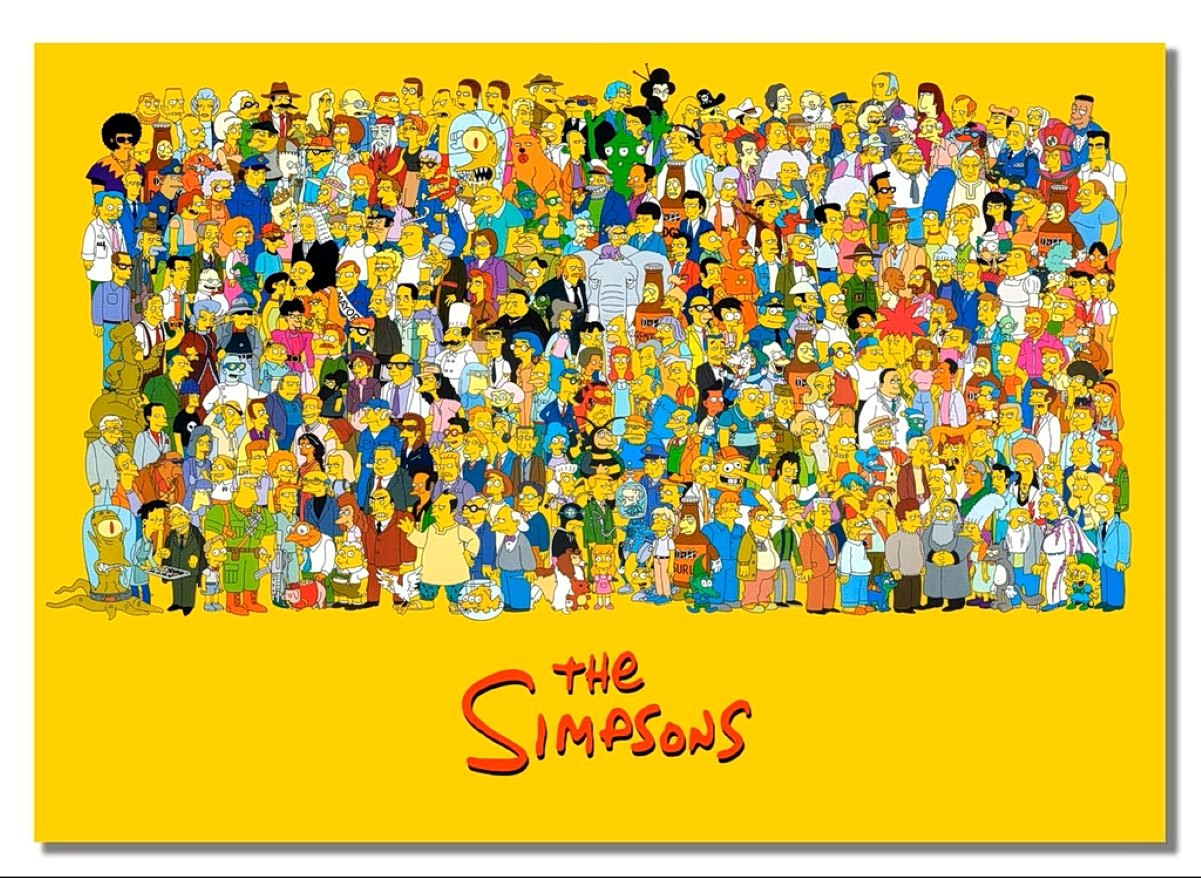
Its longevity remains unprecedented. The Simpsons holds records as the longest-running American animated series, sitcom, and scripted primetime show. One of its defining structural advantages is its animated format: characters do not age, allowing the narrative to continuously evolve while remaining anchored in familiar identities. This flexibility has enabled the show to remain responsive to changing social and political landscapes while continually attracting new viewers.
A multi-billion-dollar entertainment engine
The Simpsons has had a massive financial impact, generating tens of billions of dollars through syndication, licensing, merchandise, films, and theme parks. Early “Bartmania” in the 1990s turned it into a global merchandising hit, while its voice actors became some of the highest-paid in television.
The franchise remains highly profitable, sustained by syndication and streaming deals, including a reported $1 billion agreement with Disney for Disney+ rights.
Film success and global merchandising
The franchise also achieved major success in cinema. The Simpsons Movie grossed approximately $536 million worldwide, demonstrating that the brand’s appeal extends well beyond television.
However, merchandising remains its most lucrative pillar, with estimates suggesting between $10 and $20+ billion in revenue since the 1990s. Additional income streams include brand partnerships, licensing agreements, and themed attractions.

Overall, total franchise earnings are widely estimated at between $20 and $30+ billion, making The Simpsons one of the most valuable entertainment properties ever created.
A lasting cultural benchmark
Beyond its financial achievements, the series’ cultural legacy is equally significant. It has received dozens of major awards, including multiple Emmy wins, and has been recognized by Time magazine as one of the most important television series of the 20th century.

In an entertainment landscape defined by rapid change, The Simpsons endures as a reference point—demonstrating how sharp satire, creative consistency, and strategic commercial expansion can combine to produce a truly lasting cultural institution.