U.S. President Donald Trump continued his Asia tour on Monday with a visit to Japan, expressing optimism that a U.S.–China trade agreement could be reached as early as Thursday during his meeting with Chinese President Xi Jinping.
Speaking to reporters aboard Air Force One, Trump said he expected “a very good discussion” with Xi and repeated his belief that “we will reach an agreement.” He praised his “respectful relationship” with the Chinese leader, suggesting that both sides were eager to find common ground after years of friction.
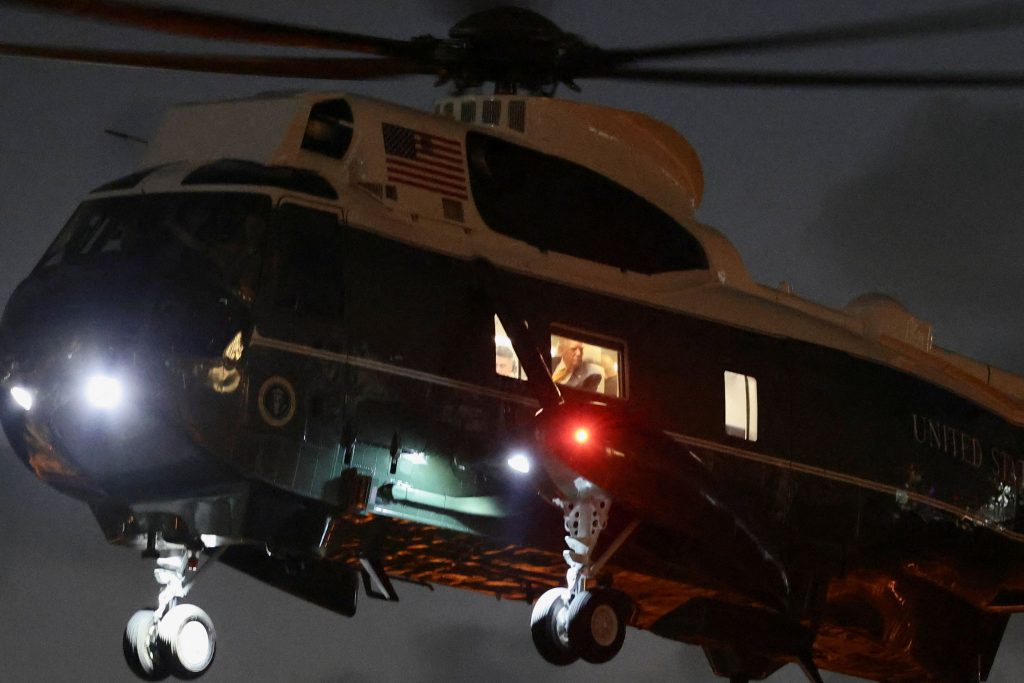
U.S. President Donald Trump sits inside Marine One as it prepares to land in Tokyo, Japan, October 27, 2025. REUTERS/Evelyn Hockstein
Positive Outlook and “Significant Agreements”
Before arriving in Japan, Trump stopped in Malaysia, where he said he signed “significant trade agreements” involving rare earths with several Asian countries, as well as a truce agreement between Cambodia and Thailand.
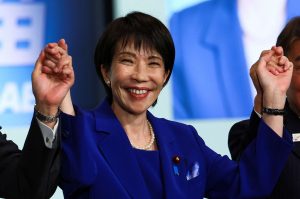
The former president, now 79, will meet Emperor Naruhito and hold talks on Tuesday with Japan’s new Prime Minister Sanae Takaichi, whom he described as “a great ally and a close friend” of the late Prime Minister Shinzo Abe, with whom Trump had a strong personal relationship.
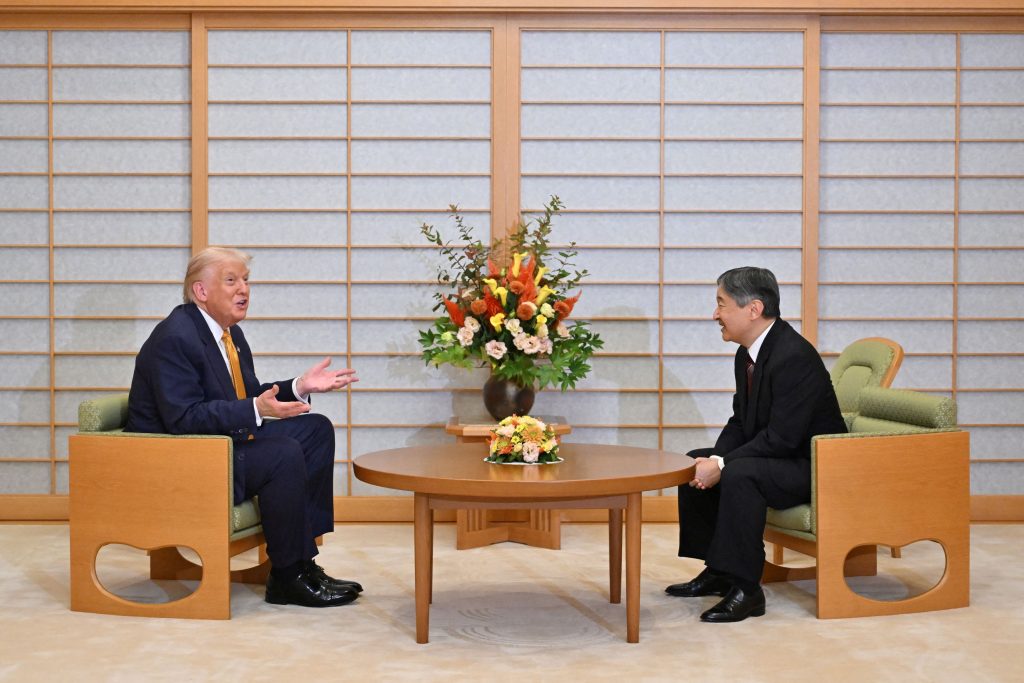
U.S. President Donald Trump meets with Japan’s Emperor Naruhito at the Imperial Palace in Tokyo, Japan October 27, 2025. KAZUHIRO NOGI/Pool via REUTERS
Japan, one of Washington’s closest allies, has so far avoided the heavy tariffs that the U.S. has imposed on both rivals and partners. Takaichi assured Trump during their first call on Saturday that strengthening bilateral relations, particularly in defense and security, was a top priority for her government.
Security and Trade in Focus
Trump’s approach to diplomacy often mirrors a transactional strategy, tying U.S. military protection to economic concessions. Around 60,000 American troops are currently stationed in Japan, and Trump is expected to visit some of them on Tuesday aboard the aircraft carrier USS George Washington, anchored near Yokosuka, south of Tokyo.
Prime Minister Takaichi recently announced that Japan would raise defense spending to 2% of GDP by March 2026—two years ahead of schedule.
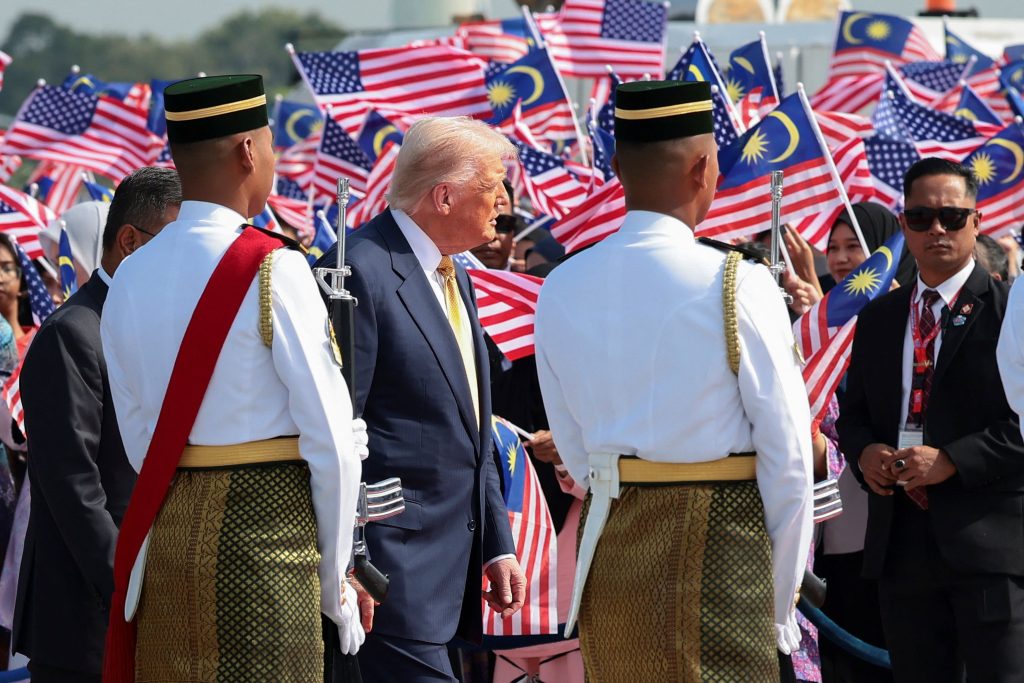
U.S. President Donald Trump walks before boarding Air Force One as he departs for Japan at Kuala Lumpur International Airport in Kuala Lumpur, Malaysia, October 27, 2025. REUTERS/Evelyn Hockstein
While Tokyo and Washington already reached a trade deal in July, the upcoming talks are expected to focus on other pending issues, including Japan’s planned $550 billion investments in the U.S.
Rare Earths and Soybeans: Key to the U.S.–China Talks
The most critical issue, however, remains China. The U.S. hopes to strike a deal before the current trade truce expires on 10 November.
Tensions recently escalated after Trump threatened to raise tariffs further in response to China’s export restrictions on rare earth minerals, vital components in advanced technologies. Beijing holds a near-monopoly on these materials.
U.S. Treasury Secretary Scott Bessent said Sunday he was confident the two leaders would reach a compromise on both rare earths and Chinese purchases of American soybeans, another sensitive trade issue.
From the Chinese side, Trade Ministry spokesman Li Chenggang confirmed that Beijing and Washington have reached a preliminary agreement, fueling optimism that Thursday’s meeting could mark a turning point in global trade relations.