ATLANTA—In its 60 year quest to return to the summit of the sport it invented, England has endured all manner of agonizing defeats and crushing heartbreak.
There have been ugly goals and uglier collapses, untimely ejections and the ritual humiliation of penalty shootouts.
But there had never been cruelty quite like this—nothing like being five minutes from a World Cup final and having it suddenly, brutally snatched away.
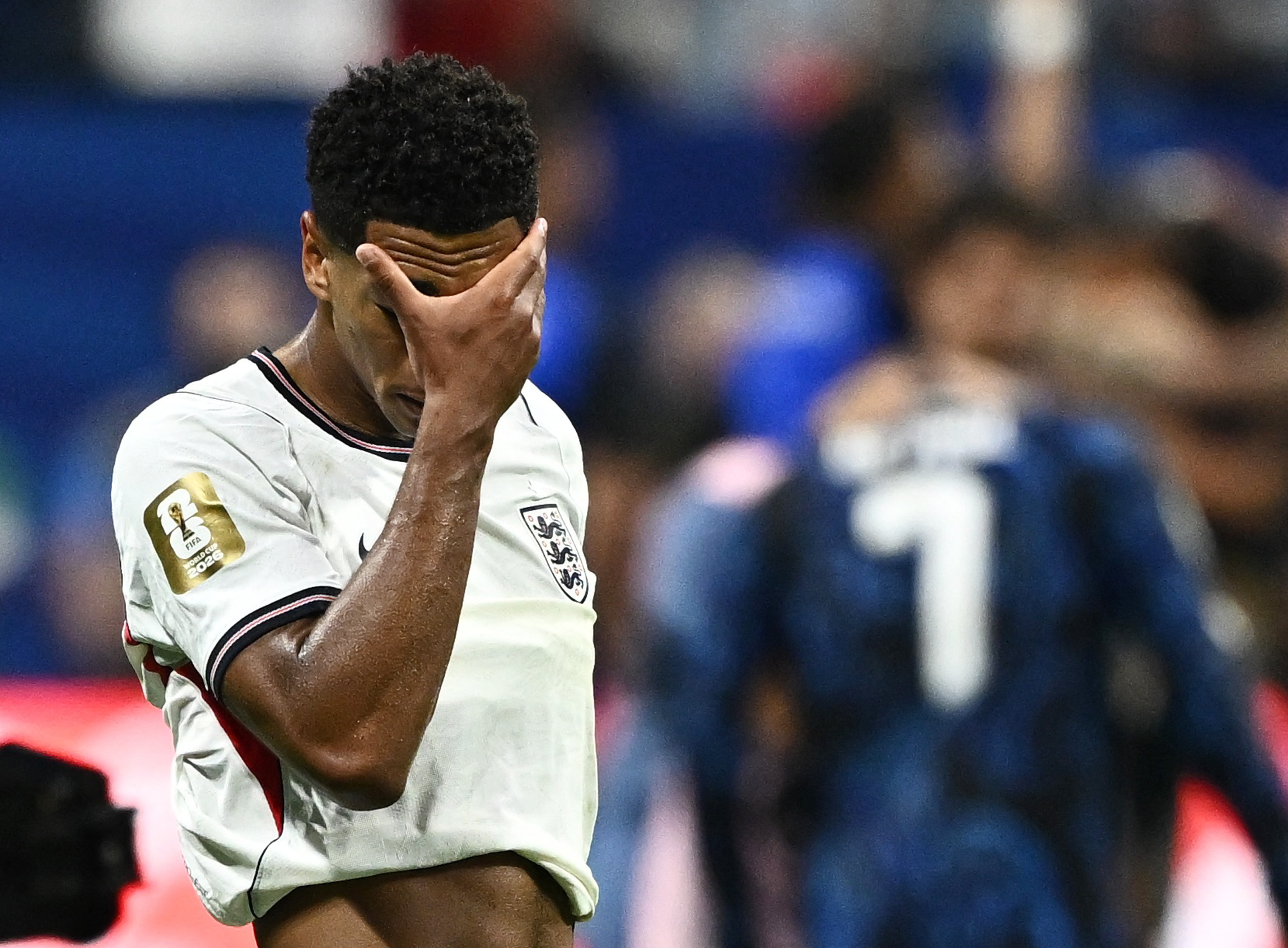
Soccer Football – FIFA World Cup 2026 – Semi Final – England v Argentina – Atlanta Stadium, Atlanta, Georgia, U.S. – July 15, 2026 England’s Jude Bellingham looks dejected after the match REUTERS/Dylan Martinez
Holding a one-goal lead over Argentina, with 85 minutes gone, and seemingly on the brink of returning to the World Cup final for the first time since 1966, England was hit by a pair of savage haymakers as the tournament’s defending champions scored twice to snatch a miraculous late victory. Argentina will now meet Spain in New Jersey on Sunday for the chance to become the first country to repeat as champions since Brazil in 1962.
Inevitably, it was Lionel Messi—playing against England for the first time—who conjured the knockout blow. The Argentina captain wriggled free on the right wing before producing a cross that was headed home at point-blank range by Lautaro Martínez. The breakthrough sent the wall of Argentina fans behind the goal into a frenzy, while England’s shellshocked players collapsed to the turf.
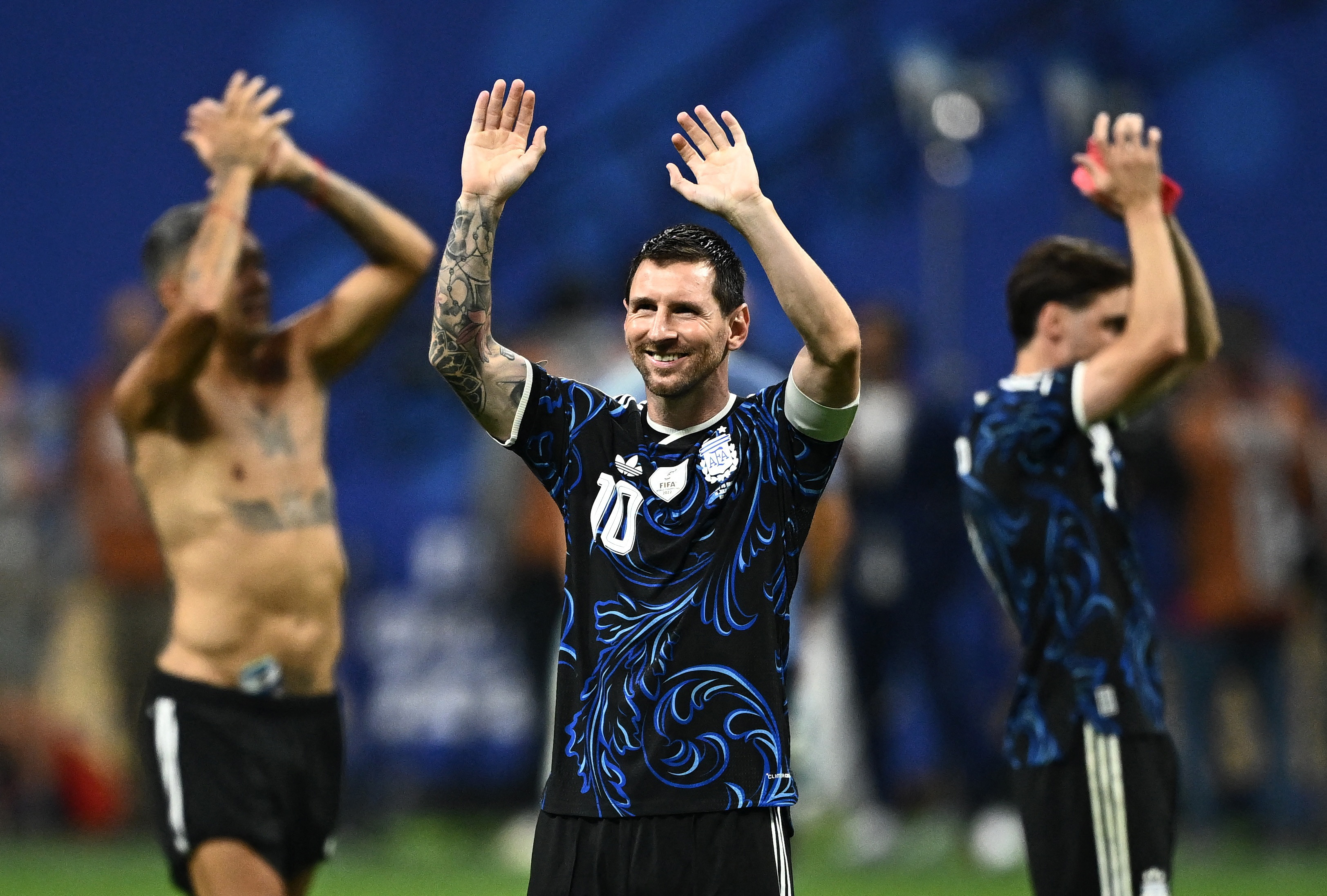
Soccer Football – FIFA World Cup 2026 – Semi Final – England v Argentina – Atlanta Stadium, Atlanta, Georgia, U.S. – July 15, 2026 Argentina’s Lionel Messi celebrates after the match REUTERS/Dylan Martinez
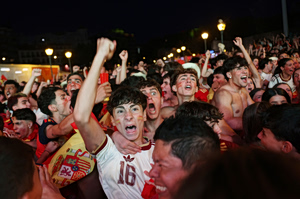
They had barely recovered from the equalizer seven minutes earlier, a curling strike from the edge of the area from Enzo Fernández that seemed to suck the self-belief from England. The Three Lions had dropped back, convinced that they could withstand anything Argentina threw at them. Instead, they broke when it mattered most, touching off delirious scenes from Atlanta to Buenos Aires.
“We were so close but couldn’t keep the level up after we scored,” England head coach Thomas Tuchel said. “We couldn’t win any balls, we couldn’t keep the ball. The match changed completely.”
Fernández’s strike immediately soared to the top of the list of most heartbreaking goals England had ever conceded. It joined Mikel Oyarzabal’s 86th-minute winner in the final of Euro 2024, Mario Mandzukic’s extra-time header in the semifinals of the 2018 World Cup, and any number of German penalty kicks.
Soccer Football – FIFA World Cup 2026 – Semi Final – England v Argentina – Atlanta Stadium, Atlanta, Georgia, U.S. – July 15, 2026 England’s Jude Bellingham looks dejected after the match REUTERS/Dylan Martinez
But in Argentina, the victory conjured memories of famous wins over their old enemy, handed down like epic tales to a generation of players that wasn’t even born when they took place. Antonio Rattin’s foul-mouthed ejection at Wembley Stadium in 1966, Diego Maradona’s divine deception in 1986, and the political backdrop of the 1982 war for control of the Falkland Islands.
To most other countries, bringing up a 44-year-old military conflict on the soccer pitch might seem out of place. But as Argentina celebrated, the players unfurled a flag in front of the goal bearing the inscription, “ Las Malvinas son Argentinas .”
The reality was that England spent much of the afternoon as the better side. Its plan to contain Messi had worked. And after 55 cagey minutes, in which England and Argentina sized each other up without landing a body blow, the Three Lions took the lead.
Harry Kane chipped a ball forward, only for it to be intercepted and land at the feet of Declan Rice. He played it wide to Morgan Rogers, whose cross was then turned in by Anthony Gordon at the far post. For one brief moment, England had silenced the raucous crowd in sky blue and white.
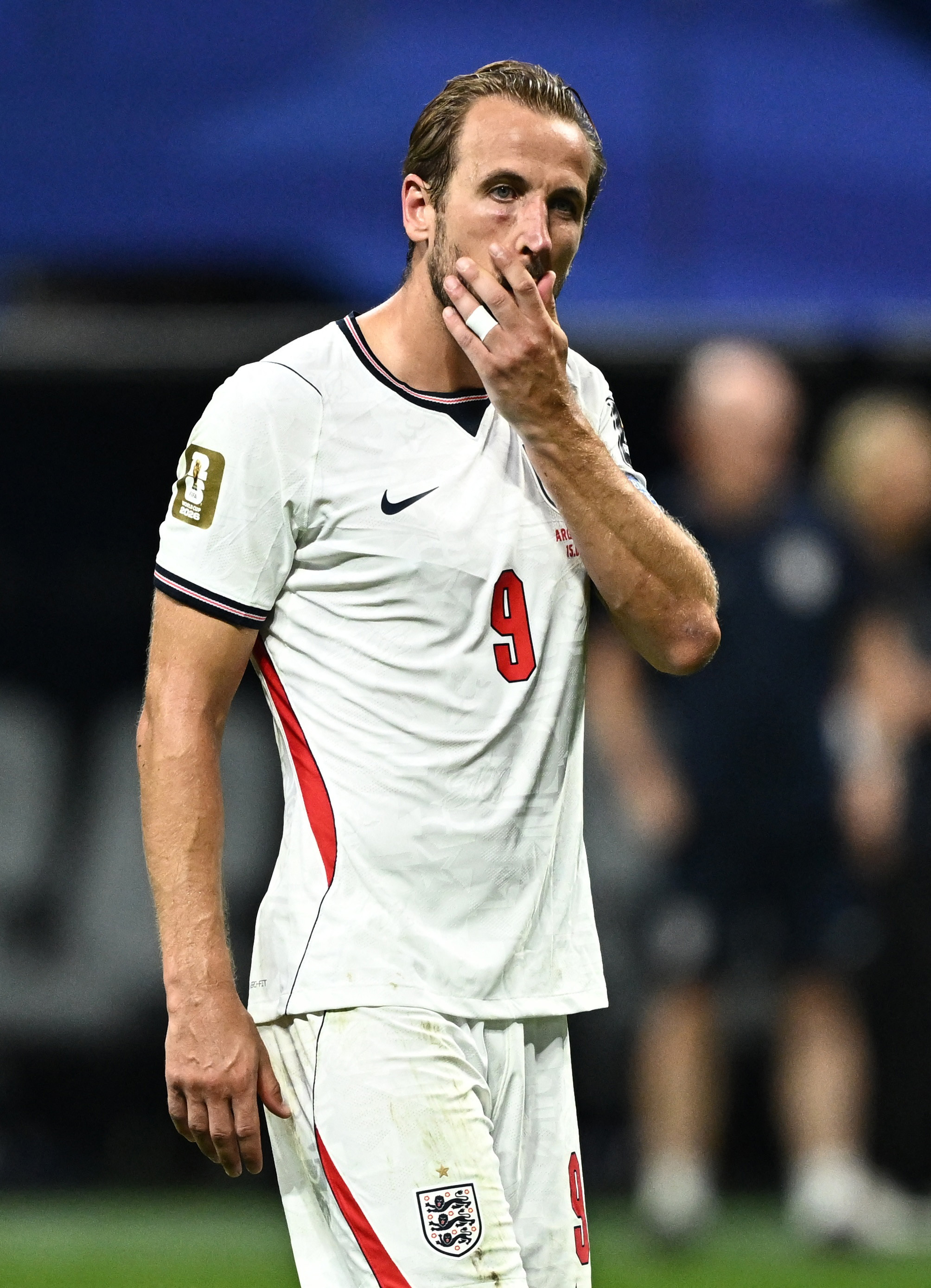
Soccer Football – FIFA World Cup 2026 – Semi Final – England v Argentina – Atlanta Stadium, Atlanta, Georgia, U.S. – July 15, 2026 England’s Harry Kane looks dejected after the match REUTERS/Dylan Martinez
The Argentine fans had been so loud since before kickoff that they entirely drowned out the playing of “God Save the King.” Now, 1-0 down with a little over half an hour to play, they willed their side back into the game, whistling mercilessly at the back of goalkeeper Jordan Pickford.
Gordon’s goal was the product of nearly 60 minutes of positive, progressive play from England, who pressed Argentina high up the field and charged forward at every opportunity. Then, just as soon as it arrived, all of that went out the window.
In a development that will be achingly familiar to anyone who has watched this country’s travails at major tournaments over the past half-century, England responded to the breakthrough by retreating deeper and deeper into its own territory. The attacks dried up, clearances were launched aimlessly upfield, and its hold on the game was steadily surrendered. In the final 35 minutes after England went ahead, Argentina held 88% of possession.
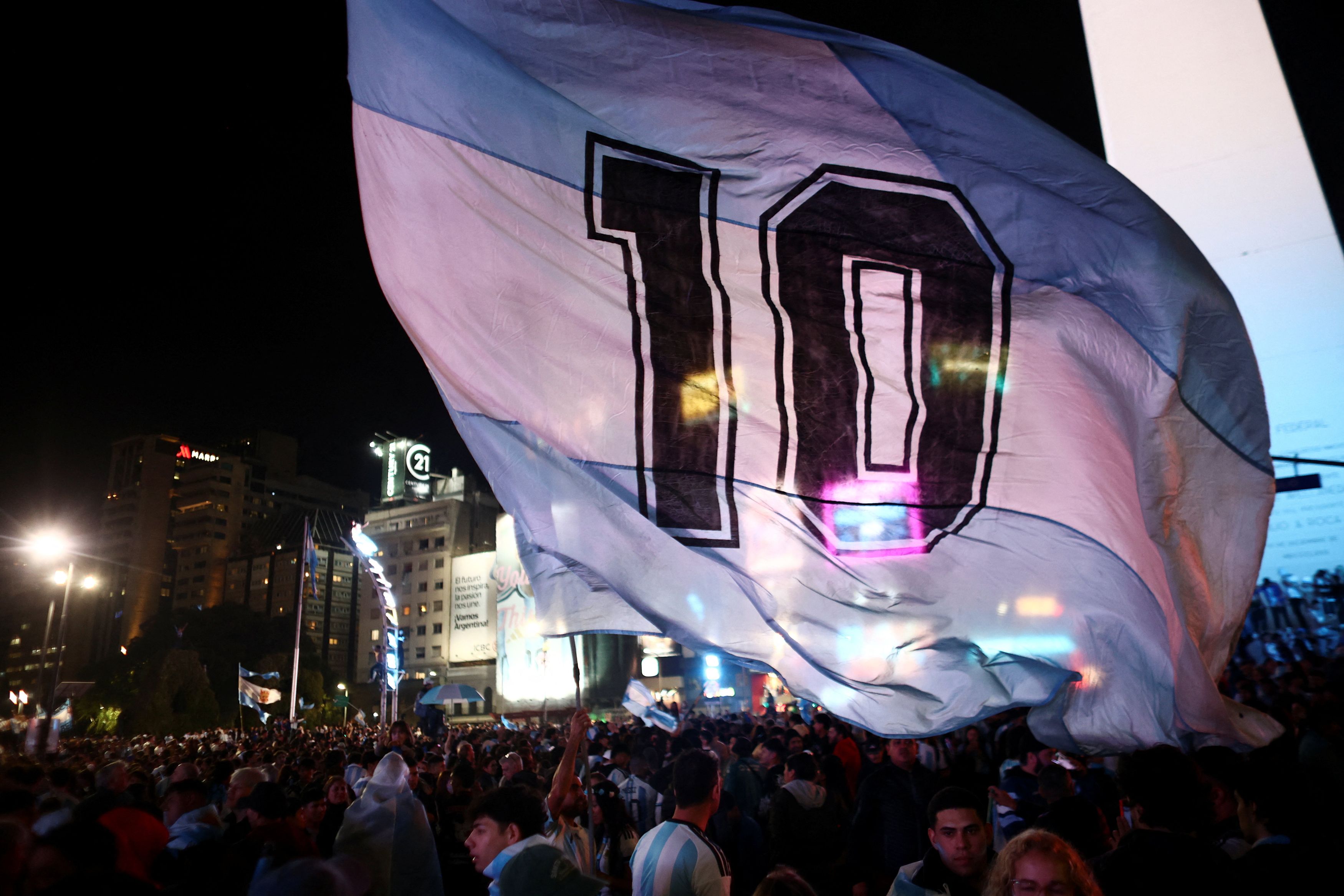
Soccer Football – FIFA World Cup 2026 – Semi Final – England v Argentina – Fans gather in Buenos Aires – Buenos Aires, Argentina – July 15, 2026 Argentina fans celebrate following the match REUTERS/Tomas Cuesta
Still, it looked as though England’s backs-to-the-wall show of resistance might get the Three Lions over the line.
In the face of a sustained bombardment, as England’s players strained to hear each other over the din, they held their nerve. Djed Spence celebrated tackles like he’d scored. Kane defended inside his own penalty area. Pickford parried every attempt in his airspace. History felt mere minutes away.
Or nearly. Before the equalizer, Argentina had hit the post twice, but both times the ball stayed out. It was enough to give England a glimmer of hope that 60 years of evil luck might finally be turning.
Instead, it was merely prologue to the most familiar feeling in the long, tortured, and endlessly repeating history of English soccer.
Write to Jonathan Clegg at Jonathan.Clegg@wsj.com and Joshua Robinson at Joshua.Robinson@wsj.com