SHARM EL SHEIKH, Egypt—This week will show whether President Trump’s optimism about a deal to end the war in Gaza can survive the realities that have undermined many past attempts.
Negotiators were arriving Tuesday in the Red Sea resort town of Sharm El Sheikh for talks on the first step in Trump’s 20-point plan to end the war—a deal to free all the remaining Israeli hostages held by Hamas in exchange for Palestinians imprisoned by Israel.
Trump has signaled to mediators that he doesn’t want the talks to drag on. Here are the main sticking points to getting a deal done.
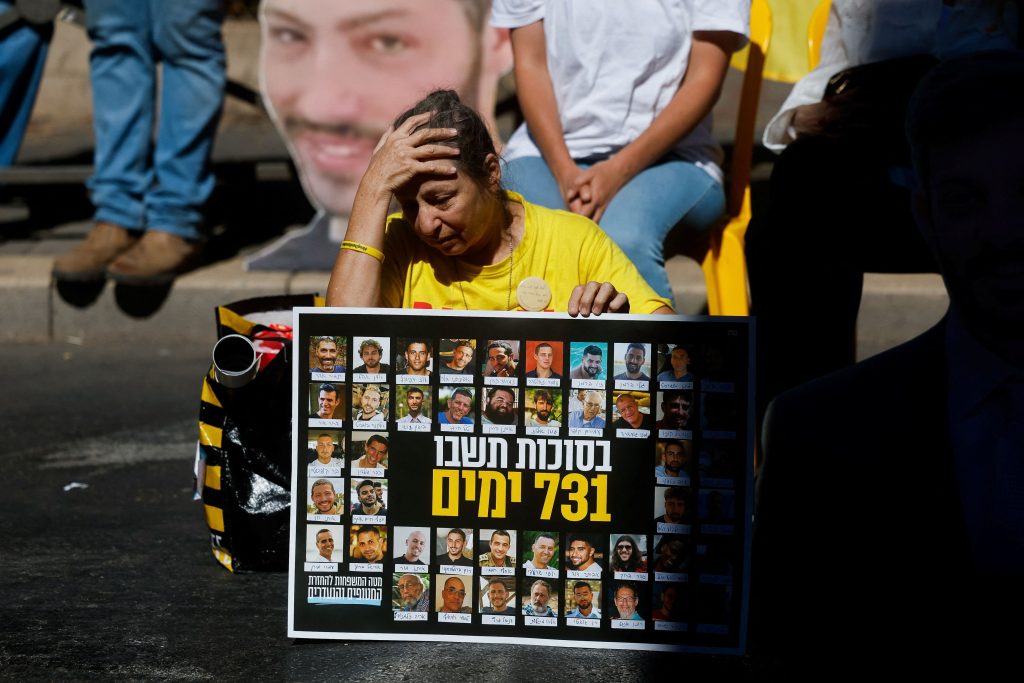
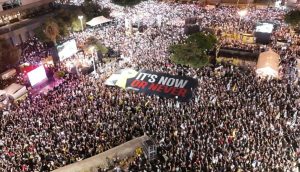
A woman reacts as families of Israeli hostages and supporters protest outside Israeli Prime Minister Benjamin Netanyahu’s residence, marking the two-year anniversary of the deadly October 7, 2023 attack on Israel by Hamas from Gaza, in Jerusalem, October 7, 2025. REUTERS/Ammar Awad TPX IMAGES OF THE DAY
Israel’s phased withdrawal from Gaza
Hamas, a U.S.-designated terrorist group, holds about 20 living hostages and the bodies of around 28 others. By turning them all over, Hamas would be giving up its main leverage over Israel, so it is expected to push hard now for what it wants.
The militant group’s key concerns are to fix a timetable for Israel’s gradual withdrawal from Gaza and the specific points to which those troops will pull back.
Critics of the Trump plan within the militant group have derided it as a “72-hour cease-fire,” because they don’t think it does enough to keep Israel from returning to the fight after it gets the hostages.
Trump’s plan includes a map of the withdrawal lines but without exact locations or coordinates. Hamas officials are demanding specific requirements for Israeli withdrawal. They also say the group needs freedom of movement within the Gaza Strip to collect the hostages and recover the bodies. Israel, meanwhile, is loath to let up too soon on an enemy that has been decimated and fragmented into small groups by its advance.
Trump’s map also doesn’t appear to allow Palestinians access to the Egyptian border during the initial phase, which would maintain the continuing siege and possibly prevent Palestinians who need to leave from exiting. Egypt is also concerned Israel could keep troops along the border.
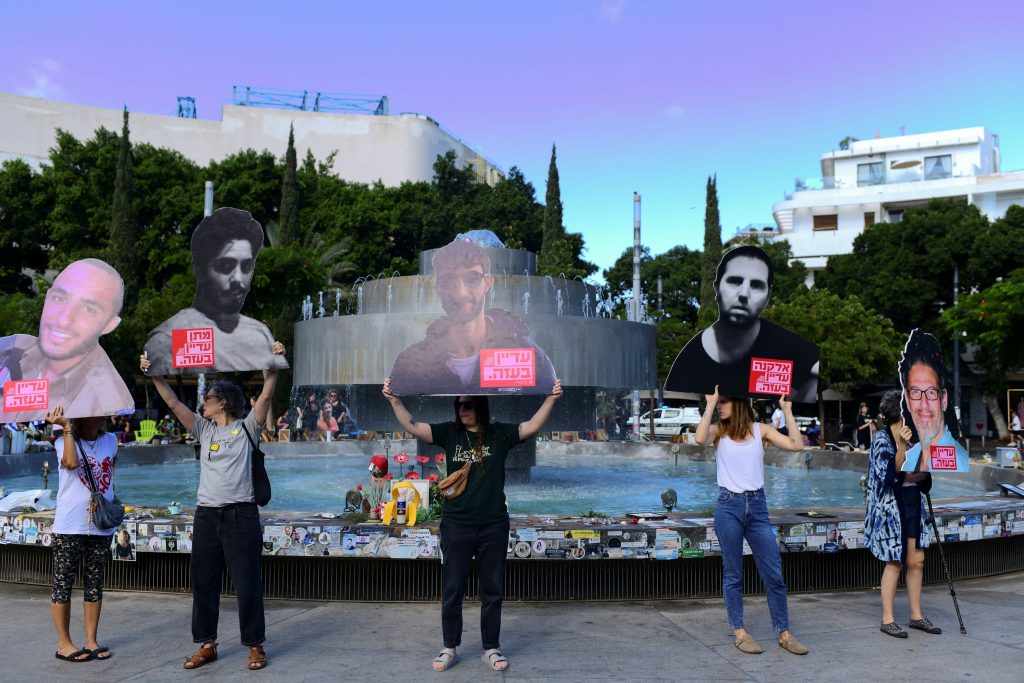
People hold up posters of Israeli hostages on the two-year anniversary of the deadly October 7, 2023 attack on Israel by Hamas from Gaza, in Tel Aviv, Israel, October 7, 2025. REUTERS/Tomer Neuberg
Hostages exchanged for Palestinian prisoners
The Trump plan calls for the release of 250 Palestinian prisoners serving life sentences in Israel, which would include people convicted of killing Israelis in the past. Hamas wants to get as many big-name prisoners out as possible, to show it accomplished something with the war.
Hamas has demanded the release of a group of high-profile Palestinian political and militant leaders including Marwan Barghouti , whom Israel jailed over his role in a Palestinian uprising in the early 2000s.
Hamas is also demanding the release of the bodies of its former Gaza leaders , the brothers Yahya and Mohammed Sinwar, according to Arab mediators, a request Israel has previously turned down. Yahya Sinwar was an architect of the Oct. 7, 2023, attacks.
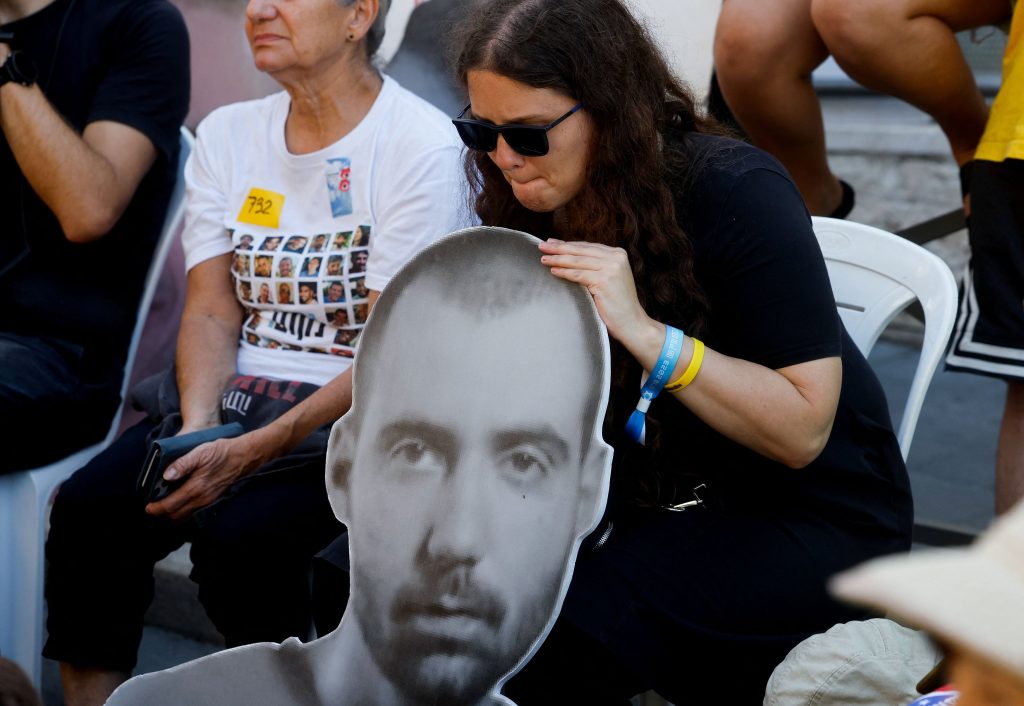
A woman reacts as families of Israeli hostages and supporters protest outside Israeli Prime Minister Benjamin Netanyahu’s residence, marking the two-year anniversary of the deadly October 7, 2023 attack on Israel by Hamas from Gaza, in Jerusalem, October 7, 2025. REUTERS/Ammar Awad
Hard-liners on both sides
Israeli Prime Minister Benjamin Netanyahu and Hamas each have responded positively to the deal, but each hinted at some significant caveats. Israel and Trump expect Hamas to essentially surrender. Hamas hopes to escape with more of its capabilities intact. Hard-liners on both sides could still derail a deal.
Within Israel, there is broad public support for an agreement that releases the hostages. But Netanyahu will have to decide whether to release high-profile Palestinian prisoners and lay the groundwork for an agreement that ends the war, both of which could face opposition from far-right members of his government.
Within Hamas, certain factions from the group’s militant wing in Gaza could reject a deal if they decide they aren’t getting enough in return for the hostages, opting to continue a low-level guerrilla war against Israeli forces that are operating deep inside Gaza where they could be exposed to attacks.
“In the same way that Netanyahu doesn’t have his extremists on board. Hamas does not have their extremists on board,” said Daniel Kurtzer, a former U.S. ambassador to both Israel and Egypt. “And so it’s a question, will the extremists have enough leverage to undermine the whole deal.”
Who’s at the table?
As a sign of how much is at stake, Israel, the U.S. and Hamas are sending their heaviest hitters to the negotiations.
The head of the Israeli delegation is Netanyahu confidant Ron Dermer. Trump is sending his son-in-law Jared Kushner and special envoy Steve Witkoff .
Hamas’s delegation in Egypt is led by Khalil al-Hayya and includes Muhammad Darwish, top officials who survived a deadly Israeli strike in Qatar last month that highlighted the risks of further spillover from the war and angered Trump.
While the Hamas team was in place, Dermer, Kushner and Witkoff were expected to arrive later this week.
Mediators and other diplomats closely following the talks have said that, as a result of pressure from Trump, this round has a better chance of succeeding than the multiple attempts since the collapse of the last Gaza cease-fire in March.
“They don’t want to cross Trump. That’s been clear. So they will do the minimum necessary to start implementing the 20 points,” Kurtzer said.
Write to Summer Said at summer.said@wsj.com and Jared Malsin at jared.malsin@wsj.com