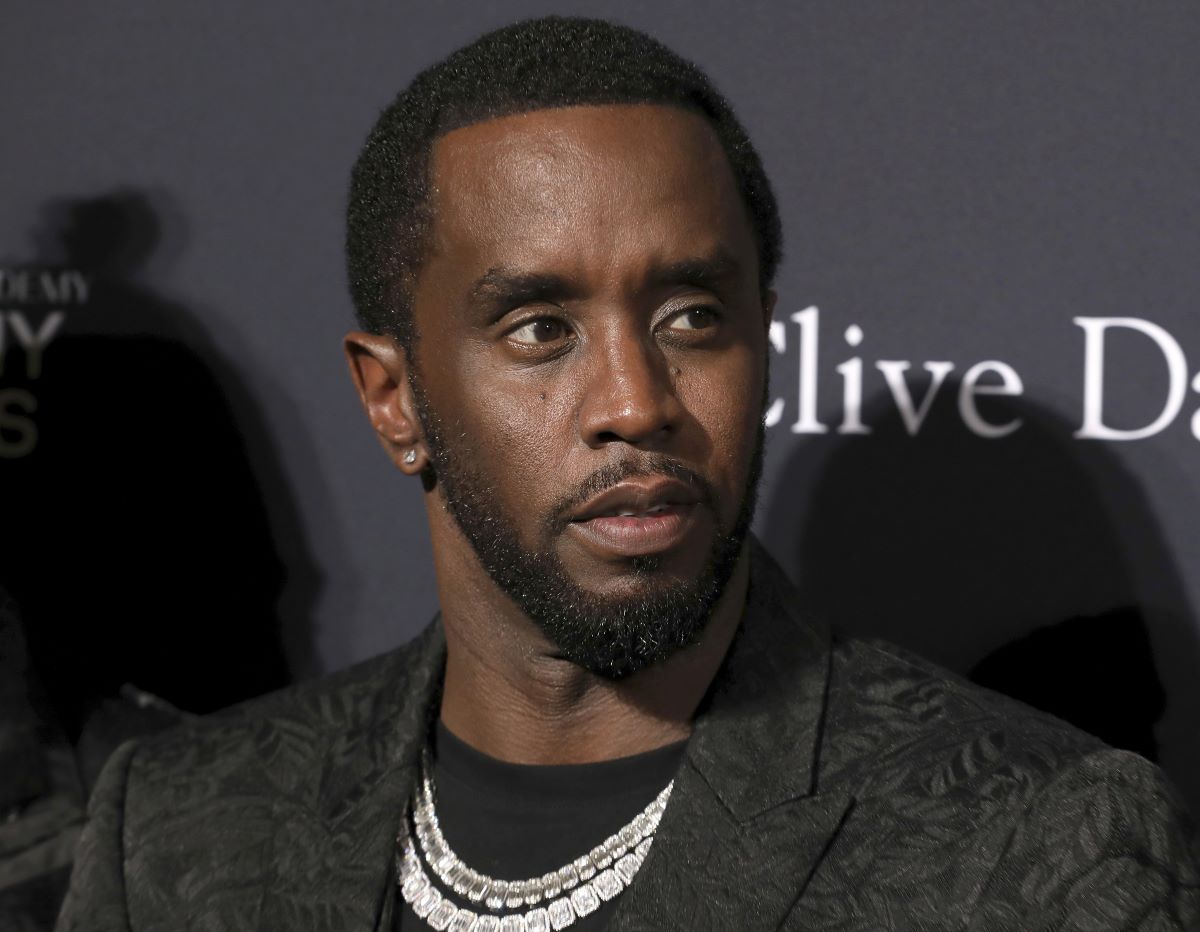
American rapper and former hip-hop mogul Sean “Diddy” Combs has been sentenced to 50 months in prison—equivalent to four years and two months—for transporting individuals for prostitution, alongside a $500,000 fine.
The 55-year-old artist was convicted in July for violating the federal Mann Act, after being found guilty of transporting people across U.S. state lines for the purpose of sexual encounters — including both romantic partners and sex workers.
Despite the serious accusations, the jury acquitted Combs of extortion and sex trafficking, the two most severe charges he faced.
#BREAKING 🚨 Diddy sentenced to 4 years in prison. https://t.co/zHsgx3t59f pic.twitter.com/nqwxhiyrUf
— TMZ (@TMZ) October 3, 2025
A harsher sentence than requested by his defense
The prison sentence exceeds what Combs’ legal team had sought. His attorneys argued for 14 months of imprisonment, while prosecutors had pushed for more than 11 years, citing the gravity of “transporting individuals for prostitution.”
Combs’ lawyers described the prosecution’s proposed sentence as “completely disproportionate” and called for his immediate release.
Diddy’s statement in court
Addressing the court, Combs said that one of the most difficult things since his arrest was having to remain silent and being unable to express “how sorry” he was for his actions.
He stated that he wanted to personally apologize to his former partner Cassie Ventura—now Cassie Ventura Fine—for “any harm, emotional or physical, that I caused her.”
“It’s not something I take lightly,” Combs said, also apologizing to another former girlfriend who testified under the pseudonym “Jane.”
He went on to apologize to all victims of domestic violence, referring to the “disgusting” 2016 hotel video that showed him hitting and kicking Cassie in Los Angeles.
“This will always be a heavy burden I carry for the rest of my life,” he admitted, describing his actions as “disgusting, shameful, and sick.”
“I was sick from drugs and out of control,” the rapper said, adding that he had “lost himself in excess and ego.”
Combs also issued an apology to his seven children and his mother, Janice, saying, “They deserve better.”
Turning to the judge, Arun Subramanian, Combs pleaded for mercy, echoing his written statement from the previous day: “I’m asking you, Your Honor, for the chance to be a father again. I’m asking you for the chance to be a son again. I’m asking you for the chance to be a leader in my community again. I’m asking for the chance to get the help I desperately need to become a better man. I don’t want to let God down. I don’t want to let my family down.”
“I don’t care about fame or money anymore,” he concluded. “If you give me a chance, I won’t disappoint you.”
The judge’s remarks
“You weren’t a client,” Judge Subramanian said, referring to the victims, “you were something far more than that.” He noted that although Combs gained sexual gratification rather than financial benefit from the forced encounters, that did not diminish the seriousness of his crimes.
The judge also stated that he was not convinced Combs wouldn’t reoffend if released.
“This sentence is meant to send a message to the public,” Subramanian declared. “It’s a message both to perpetrators and to victims.”
He emphasized that when victims report abuse, they must trust that telling their story can lead to real action — and for perpetrators, the punishment should serve as a deterrent.