A leading saxophonist and two-time Grammy nominee, Chico Freeman is especially beloved by Greek audiences. He returns to the stage of the Half Note Jazz Club with his own group, the Exotica Quartet, from Friday, December 12, through Monday, December 15.

For more than five decades, he has been one of the most expressive voices in jazz saxophone, venturing far beyond the jazz mainstream and often embracing world-music traditions. Despite his many explorations, Freeman incorporates into his sound, perhaps more than most, the full arc of jazz history — from the blues and Coleman Hawkins to John Coltrane and Latin jazz.
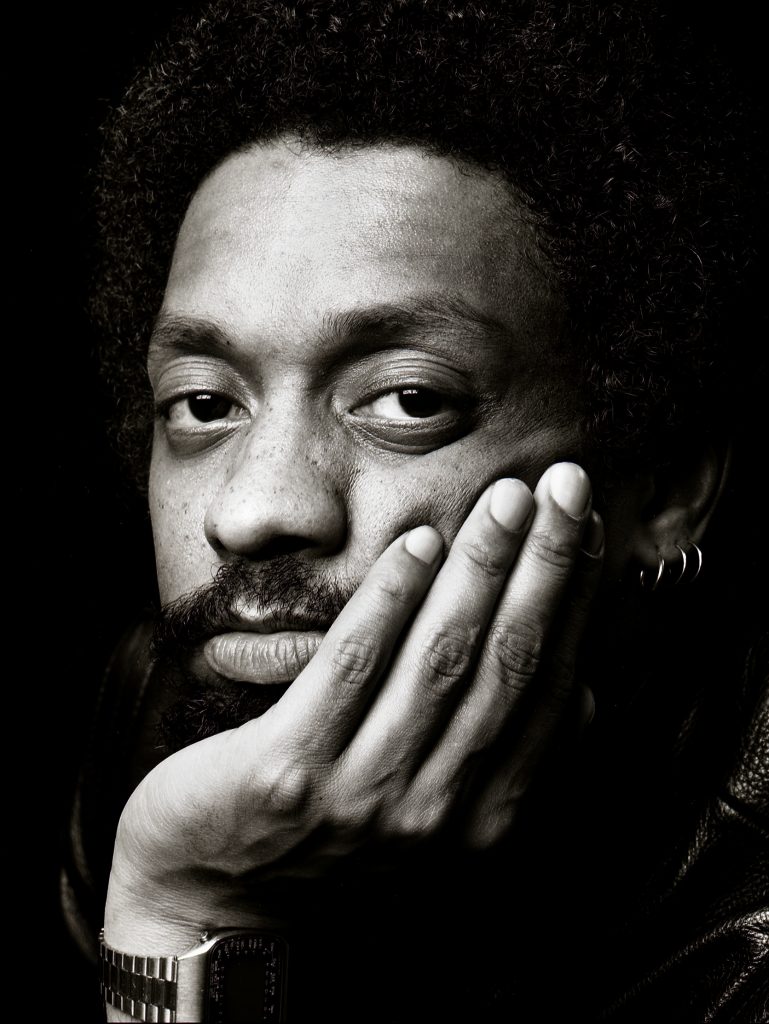
Gert Chesi, CC BY-SA 4.0 , via Wikimedia Commons
He comes from a renowned musical family in Chicago, which is also his birthplace. His father was the legendary saxophonist Von Freeman, a historic figure of jazz.
Having completed a master’s degree in music, Chico Freeman began to stand out early on, experimenting with everything from R&B and blues to hard bop and the avant-garde. In his interview with To Vima, he speaks about his years in Greece, his connection with Michael Jackson, and his plans ahead.
You lived in Greece for a period of time. What led you to that decision?
“ I spent meaningful time living in Greece, mainly in Thessaloniki. I was drawn by the beauty of the country, the warmth of the people and the incredible sense of history you feel everywhere. At that point in my life, I needed a place that allowed me to slow down, reflect and reconnect with myself away from the non-stop rhythm of touring. Greece gave me exactly that — time, space, inspiration.”
What is, in your view, the difference right now between Europe and America in terms of jazz?
“Jazz was born in America, created by African Americans and their culture. Europe embraced it and developed it in a way that reflects European culture more strongly now than in the past. In the U.S., jazz remains closely tied to its roots — blues, swing, tradition and experimentation — and that’s important. In Europe, audiences and musicians often approach jazz within many of those stylistic boundaries, but they’ve added their own cultural influences. That’s the beauty of jazz: its core principle is self-expression. Both approaches are creative; they simply offer different energies and perspectives. I’ve always enjoyed moving between those two worlds because it keeps me open, just as influences from other cultures do.”
What have you gained from your collaborations over the years?
“Every collaboration teaches you something — about music, about people, about yourself. I’ve gained friendships, new perspectives and a deeper understanding that music is a shared language. When you collaborate, you really learn how to let go of ego and trust the moment. That is one of the greatest gifts a musician can receive, and one that this music constantly offers.”
How did the saxophone, and music more generally, enter your life?
“Music was always in the house because of my father, Von Freeman. He never pushed me into it, but he made the environment irresistible. Jam sessions and rehearsals at home, musicians coming in and out, the sound of the saxophone filling the air. I started on piano, then trumpet, then drums. The saxophone came later, almost naturally, as if the instrument had been waiting for me. My father inspired me, but the decision was ultimately mine. I wanted to find my own voice.”
You have more than 40 albums as a bandleader and have appeared on hundreds more. Where do you find the drive to keep going?
“For me, music isn’t a job — it’s life. My drive comes from curiosity. There is always something new to learn, a new sound to explore, a new emotion to express. As long as I feel inspired, I’ll keep creating. And as long as people want to listen, I’ll continue with joy. The only real limit is your imagination.”
You worked with Michael Jackson. What kind of person was he?
“Michael was incredibly focused, sensitive and detail-oriented. In the studio he was deeply musical — he heard everything, even the smallest nuance. Yet he was also kind, respectful and curious. He had the openness of a child combined with intense professionalism. Working with him was a reminder of the power of true dedication.”
What will we hear in Athens?
“I’m coming with my Chico Freeman Exotica project. Reto Weber is on percussion, Heiri Känzig on bass, Alex Wilson on piano and keyboards, and I’m on saxophone and bass clarinet. In Athens you’ll hear a mix of my musical journey — original compositions, tributes to my mentors, and improvised moments that can only happen in the moment. I like bringing the audience into the creative process, making them feel part of it.”
Your plans ahead?
“I’m working on a new recording scheduled for release on March 1, 2026, which includes projects combining jazz with global influences from Africa and Asia. I’m also touring with various groups and developing new collaborations. Beyond that, I continue to compose, teach and explore new directions — always trying to stay open to whatever the music wants to show me.”
Online tickets are available here.