Archaeologists in Greece have brought to light four writing styli linked to the students of Aristotle at the royal gymnasium of ancient Mieza, a site where the philosopher is believed to have taught the young Alexander the Great. The discovery offers a rare glimpse into the educational practices of the 4th century BC.
The Greek Ministry of Culture announced the findings following the completion of the first phase of a research program led by archaeologist Angeliki Kotaridi. The work, carried out by the Ephorate of Antiquities of Imathia, involved excavation, documentation, conservation, and study of the vast gymnasium complex.
Monumental Scale and Design
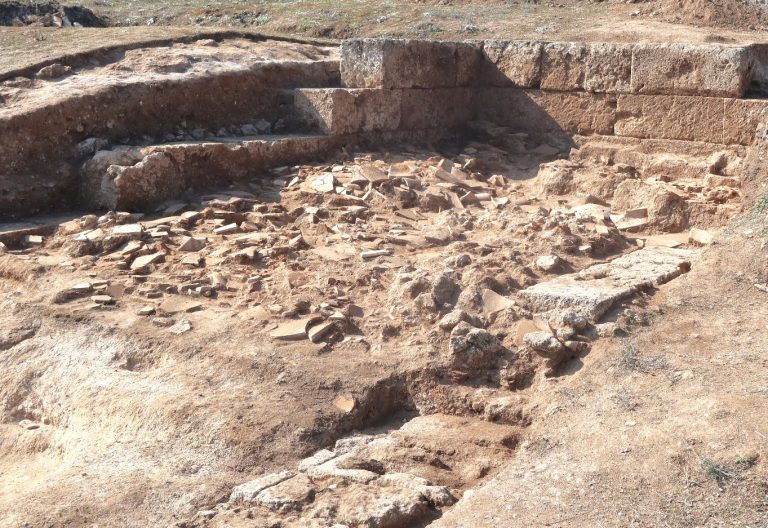
Excavations confirmed that the gymnasium was constructed in the mid-4th century BC, during the reign of Philip II of Macedon, father of Alexander. Built according to a single architectural plan, the vast structure was carved directly into the natural rock, creating three immense, level terraces covering about 14 hectares.
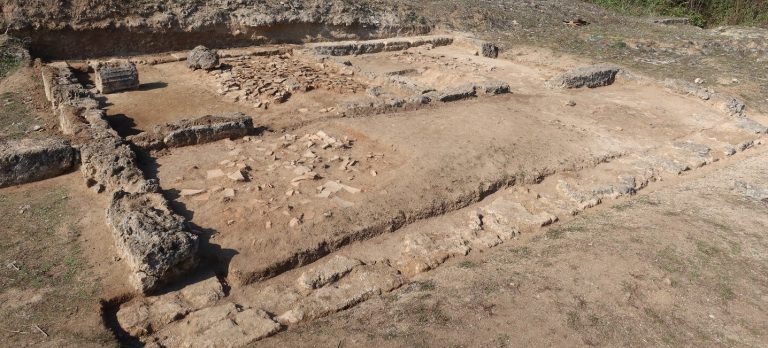
The layout included a large palaestra (wrestling ground), symposium halls, and the xystos — a covered two-storey colonnade stretching nearly 200 meters, where running exercises took place. Researchers believe the different levels of the complex may reflect a hierarchy of functions.
Traces of high-quality white plaster, similar to that found in the royal tombs and palace at nearby Aigai, suggest strong stylistic links to what is now considered “classical Macedonian architecture.”
Everyday Life at the Gymnasium
Finds from the site also reveal details of daily life for the elite youths who trained and studied there. Fragments of Panathenaic amphorae — storage vessels for olive oil from Athens — suggest that Mieza’s students preferred the prestigious and costly oil from the sacred groves of the Athenian Acropolis.
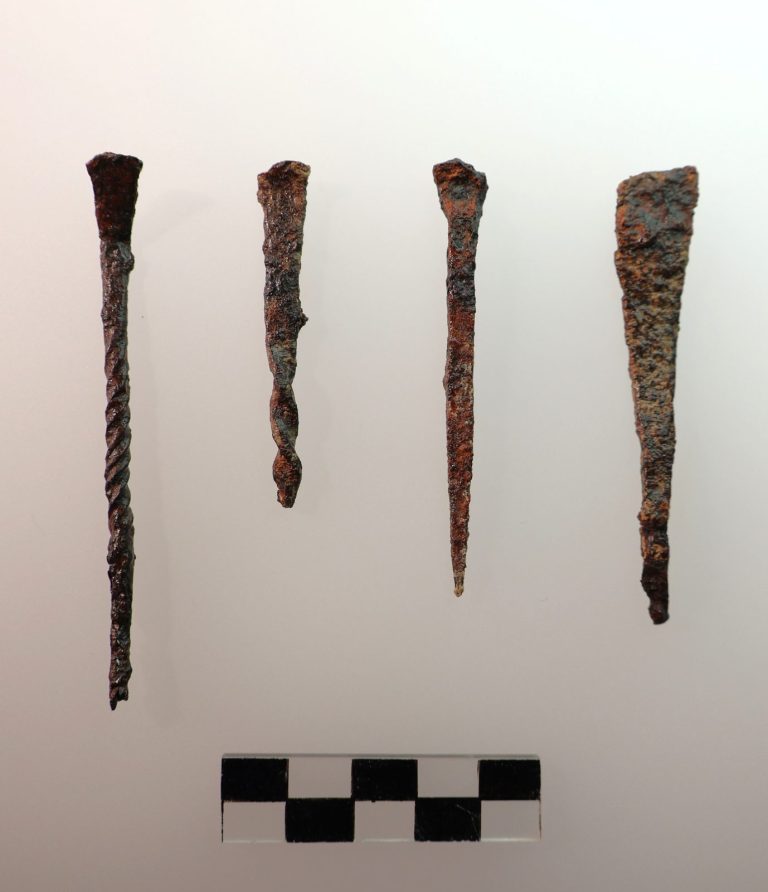
But the most moving discovery, according to archaeologists, is the set of four writing styli. These simple tools, once used by Aristotle’s students to inscribe their exercises on wax tablets, connect modern observers directly to the intellectual training of Macedon’s future leaders.
Preserving the Site
The excavation also included preliminary work to protect and highlight the remains of the complex, including plans for restoring parts of the xystos. The Ministry of Culture emphasized that the research aims not only to document the monumental site but also to ensure its preservation for future generations.
The royal gymnasium of Mieza, already known as a key center of education in antiquity, has now yielded tangible evidence of the philosopher’s pupils — a discovery that underscores both the intellectual and cultural legacy of Aristotle’s teaching in Macedon.