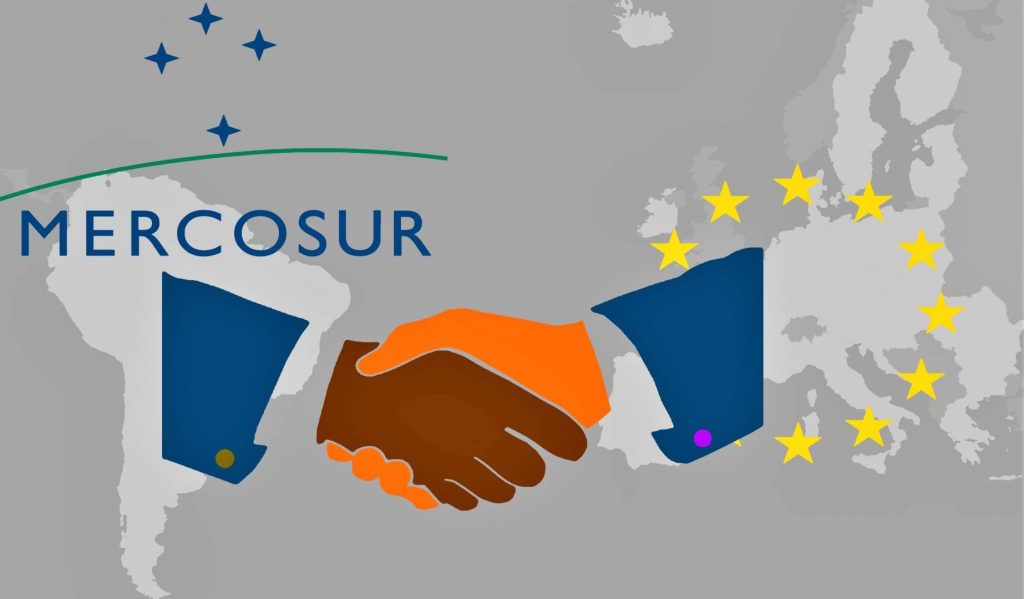
Media reports quoting sources within Greece’s rural development ministry on Friday evening appeared almost simultaneously with a majority decision by EU states to give the Union approval to sign its largest free trade accord with the South American trade bloc Mercosur.
The looming deal comes more than 25 years after talks commenced between Europe and South America, and following months of intense behind-the-scenes negotiations to achieve enough support to get the go-ahead.
According to the ministry sources, the deal ensures the protection of Greek agricultural products and paves the way for new export opportunities. The same reports also referred to safeguards for producers and strict guarantees for food quality and safety.
In a bid to deflect domestic political criticism, the sources said the political framework for the agreement had already been established in 2019, during the previous leftist SYRIZA government.
Exports of agricultural food products from Greece to Mercosur countries are negligible, amounting to a mere 34.3 million euros, with Athens hoping that the pact will boost exports in combined market of 270 million people.
Product protection
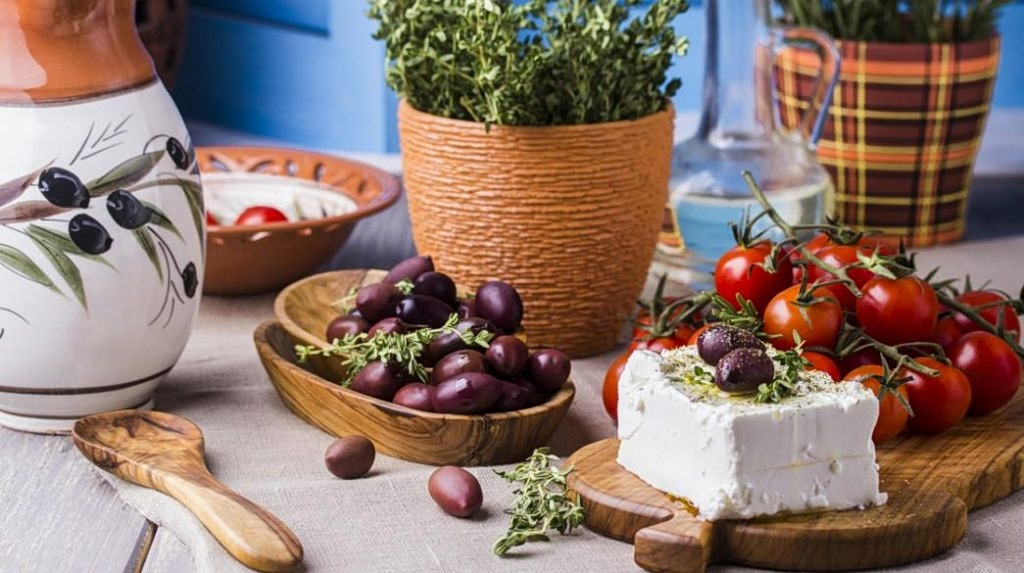
The sources in Athens maintained that the agreement protects a total of 344 distinct European food and beverage products in from “knockoffs”, including 21 eponymous Greek products. Specifically, products such as feta cheese and other cheeses, olive oil and Kalamata olives, Corinthian raisins, Kozani saffron, Chios mastic, Sitia olive oil, along with wines from a variety of regions, the pine resin wine retsina, the clear spirit tsipouro and other products will be protected.
Twenty-one EU member-states, including Greece, voted in favor.
A minimum of 15 countries representing 65% of the bloc’s total population was required for approval.
The development will ostensibly allow EU Commission President Ursula von der Leyen to sign the agreement with Mercosur partners – Argentina, Brazil, Paraguay and Uruguay – in Asuncion, Paraguay, possibly next week.