 Μake us preferred on Google
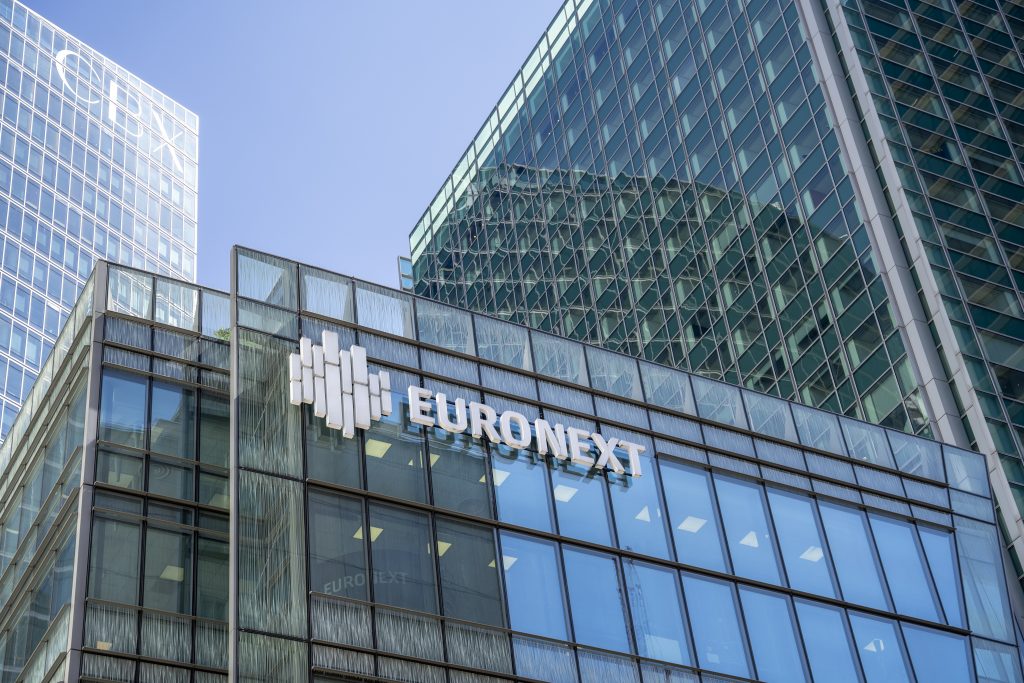
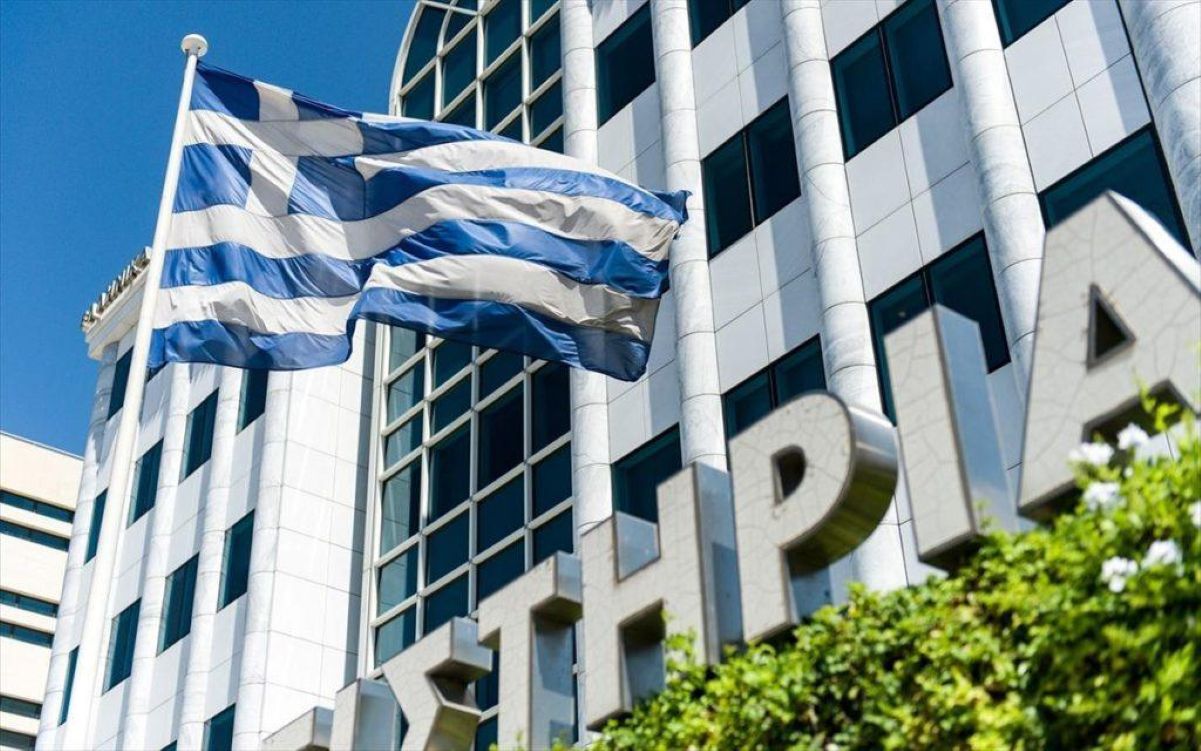
 Employees of the ATHEXGroup will meet in an official capacity with representatives of Euronext on Friday in an effort to dispel any uncertainty surrounding their employment status in light of Euronext’s public buyout offer of the ATHEXGroup.
The employees are expected to outline their demands regarding the security of their jobs while also raising issues about a series of technical and strategic matters that remain unclear three months after the public bid by the leading European capital market infrastructure firm, operating out of Paris and Amsterdam.
The employees have already held meetings with both the management of Hellenic Exchanges—Athens Stock Exchange and the Ministry of Finance (Greece), but so far, there is neither a clear direction nor a concrete plan for what comes next.
“The seller must secure the best possible price—and that’s not happening.”
Without downplaying the significance of Euronext N.V.’s interest in the Athens Stock Exchange, the president of the employees’ association, Antonis Marinos, told OT that the deal as presented “neither safeguards the interests of the Athens Exchange nor reflects the potential of the Greek market.”
“The seller must secure the best possible price for their company, and that’s not happening. The valuation offered, which is in shares, no less, does not reflect the real potential and prospects of the Greek stock exchange,” he noted.
According to Marinos, the valuation fails to take into account the fact that the market capitalization-to-GDP ratio in Greece stands at around 50% (€140 billion), which indicates considerable growth potential. “The Greek market still has room to grow. We are not a mature market without opportunities—the valuation should reflect that,” he added.
Unresolved Technical Issues and Fears of Sector Shrinkage
According to Marinos, beyond the price, many technical issues remain unclear. These include the future of domestic mutual funds, operational relationships with Greek brokerage firms, and the transaction clearing framework, all of which are directly tied to the operation of the Athens Exchange.
“No one knows what the new structure will look like or which services will remain in Greece. The only certainty is that the financial sector will shrink, with a loss of jobs and expertise,” Marinos said, citing the example of the Italian stock exchange, which retained several services years after its acquisition.
Sources told OT that neither the exchange’s management nor the Ministry of Finance currently has a specific plan for protecting employees. “Everyone seems to be waiting for the public offer to go through successfully, and then they’ll just tell the 244 employees, ‘Sort it out with the French,’” one person involved in the talks said.
Employees’ Demands to Euronext
Through their association, the employees of the Athens Exchange have submitted a detailed memorandum to Euronext, calling for:
- A clear commitment to preserve all jobs for at least three years.
- A full and transparent presentation of the strategic plan for the Athens Exchange.
- A socially responsible approach after the three-year period, including a voluntary exit program for those nearing retirement.
- Legislative provisions to allow the state to absorb specialized surplus staff into institutions such as the Hellenic Capital Market Commission and the Bank of Greece, where there are already significant staffing gaps.
- Retention and harmonization of employee benefits, applying the most favorable terms currently in force within the Euronext Group.
Uncertainty Despite the Proposal’s Strategic Importance
Although the Euronext proposal was initially seen as a positive development for the Greek capital market—as it would integrate Athens into a wider European exchange network—the sentiment among employees remains onerous.
The lack of information and transparency from both Euronext and the exchange’s management has heightened concerns. Many fear that the Greek market could be downgraded to a regional branch within the group, with limited decision-making authority.
Market participants point to the experiences of Lisbon, Dublin, and Milan, where, after acquisitions, key decisions were ultimately made in Paris or Amsterdam.
Concerns Over Valuation
Meanwhile, market analysts have raised concerns about the share exchange ratio between the two companies, noting that the Athens Exchange’s valuation is 29% lower than that of Euronext based on 2025 EV/EBITDA estimates and 36% lower based on 2026 projections.
The deal involves no cash inflow, only a share swap, reinforcing the perception that Greek shareholders are not receiving maximum value. Some international institutional investors have also expressed reservations, potentially complicating the acceptance of the offer.
A Crucial Test of Trust
Friday’s meeting is seen as a crucial moment for the future relationship between employees and Euronext. It will be the first real opportunity for a substantive dialogue, during which the new owner will be expected to provide clear answers regarding jobs, organizational structure, and the role of the Athens Exchange moving forward.
The value of Euronext’s proposal for the integration of European markets remains undeniable. However, as employees emphasize, this cannot come at the expense of the exchange’s autonomy and the people who keep the Greek capital market functioning.
“We want dialogue, transparency, and commitments. Only then will the next day truly be one of growth—not just a transitional phase,” Marinos concluded.