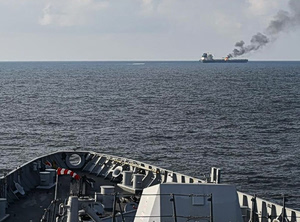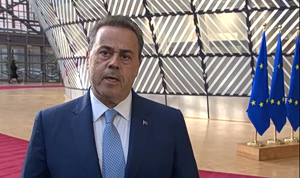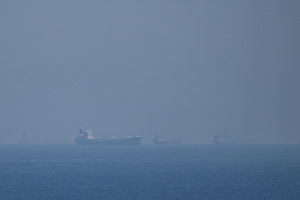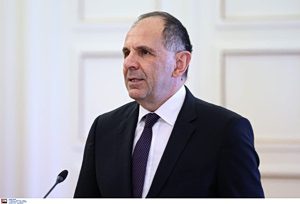
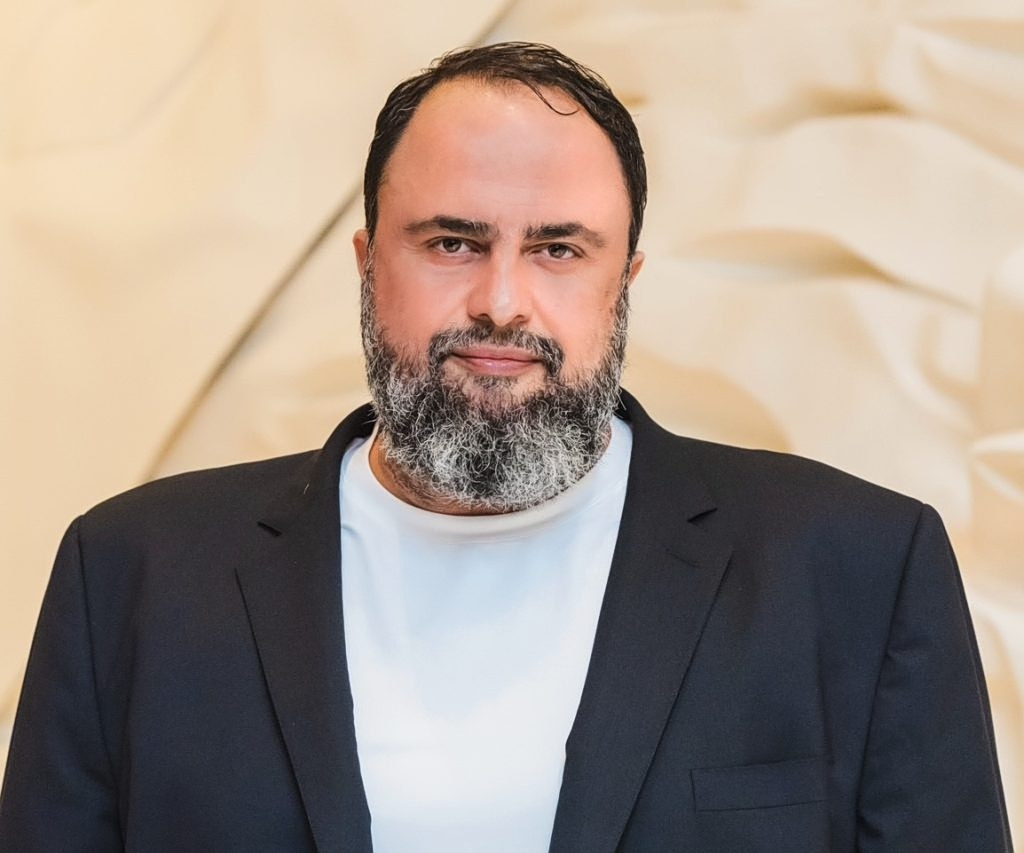
Evangelos Marinakis, Chairman of Capital Maritime & Trading Corp, calls for an immediate international action in the Strait of Hormuz, stressing that restoring the free flow of energy from the Gulf is a matter of global security and economic stability. In his landmark article published in the Daily Telegraph, he highlights that the Strait of Hormuz is effectively closed for the first time, cutting off the transport of a fifth of the world’s crude oil, liquefied natural gas (LNG), and a third of fertilisers.
Mr. Marinakis proposes the creation of a common strategy to restore energy flow from the Gulf to global markets. The alliance, as he explains, will be based on three commitments: coordination of shipowners to redeploy fleets, mobilization of the Gulf States to immediately utilize their export infrastructure, and active US contribution through naval presence and diplomatic support.
At the same time, he calls on all stakeholders – shipping companies, Gulf energy ministers and policymakers in Washington – to take immediate action. “The time for action is now,” says Evangelos Marinakis.
The Article Reads as such:
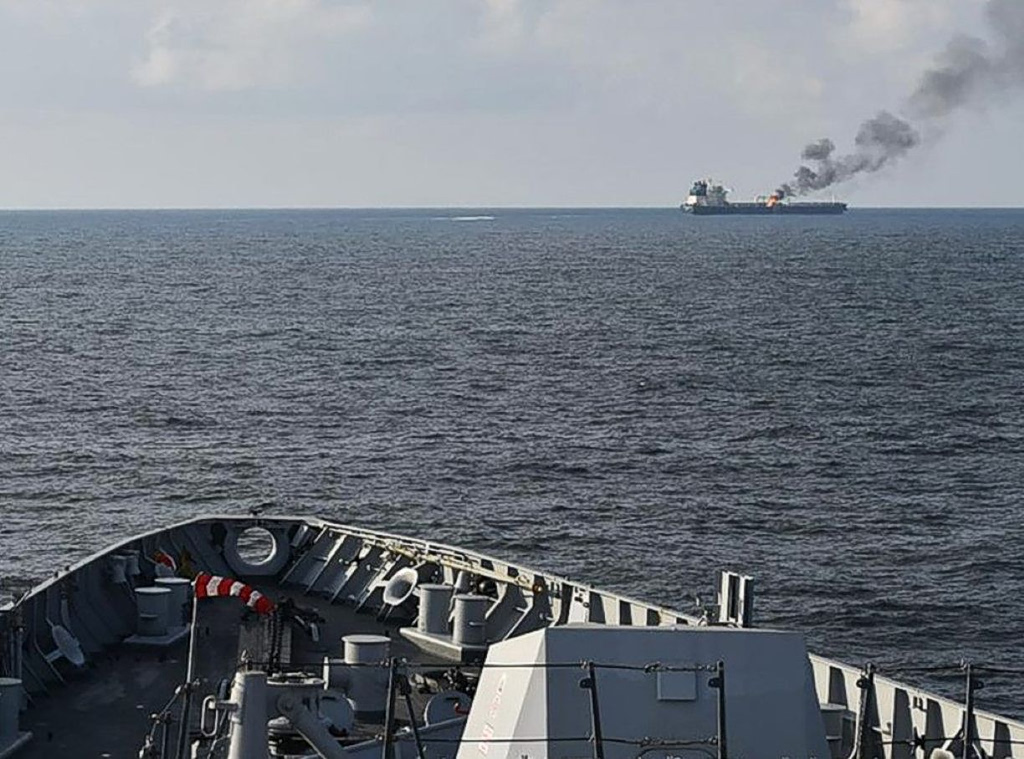
For the first time in history, the Strait of Hormuz is effectively closed. One fifth of the world’s crude oil and liquefied natural gas (LNG), a third of its fertiliser supply- all of it stopped.
Energy prices are climbing. Inflation is returning. The world is being reminded, brutally, of what happens when the arteries of global trade are severed by hostile actors willing to use energy as a weapon.
Apart from the effect on the global economy, there is something even more important: the lives of our seafarers.
The situation in the region has become extremely dangerous. Ships are being attacked with missiles, and the lives of crew members are at risk daily. An activity that is meant to ensure economic growth and the prosperity of nations has turned into a target for those who do not hesitate to kill innocent people.
The shipping industry has navigated crises before- the Red Sea, Suez, pandemic-era gridlock. Each time we adapted.
Each time the world moved on and assumed the next crisis would be solved the same way. That assumption has now collapsed. Improvisation is not a strategy.
What this moment demands is a formal alliance between the world’s major shipowners, the Gulf energy-producing nations and the US with a single immediate purpose- to restore the flow of energy from the Gulf to global markets by ensuring the safe passage of our vessels and to guarantee that the world cannot be held hostage again.
Such an alliance would rest on three immediate commitments.
Major tanker and LNG carrier owners must now co-ordinate on rerouting capacity and pooling fleet intelligence, moving the maximum possible volume through alternative corridors.
Gulf States must bring their export infrastructure to the table without delay. And the US- whose strategic commitment to energy market stability and free navigation of international water remains critical- would be well placed to reinforce the effort through its naval presence and diplomatic engagement, serving as the operational backbone of any joint framework and ensuring first and foremost the safety of our seafarers,
It is my understanding that Washington recognizes the importance of co-ordinated action to safeguard global energy flows.
Efforts to strengthen the reliability of energy supplies from America and its partners, including the continued supply of US and allied LNG to global markets, and for the containment of destabilising state actors. These are not abstract policy goals. For Europe, in particular, these priorities also point to a strategic reality: the continent will continue to rely on imported energy, but it cannot indefinitely sustain that dependence on supply relationships that have repeatedly proven politically unstable.
Taken together, these priorities form a strong strategic basis for co-operation of this kind. The private maritime sector is the natural partner for that agenda.
We have the assets, the operational reach and the will.
We are acting-with or without the framework.
Our companies, Capital Clean Energy Carriers Corp, the largest US-listed owner of LNG vessels, and Capital Tankers Corp, a major crude tanker owner, represent some of the most strategically critical tonnage in the global energy system.
We are prepared to bring that capacity to bear immediately.
But I want to be direct about something.
Restoring energy flows in conditions like these will require brave decisions- on insurance, on passage, on the protection of vessels operating in contested waters.
These are not decisions the market will make on its own and they are not decisions that can wait for committees to convene.
As a market leader in both LNG and tanker tonnage, we are prepared to make those decisions for our fleet in the interests of the common good and setting aside profits.
I am calling on others- shipowners, governments, insurers – to do the same. The cost of inaction is already being paid by the world. It is time for those of us with capability to act to step forward and bear our share of the burden.
Our action must be co-ordinated. We must do everything possible to protect the lives of our crew members, the people who are called upon to continue giving their best to ensure the smooth global movement of goods and merchandise.
I extend this invitation today to my peers in the industry, to the energy ministers of the Gulf states and to policymakers in Washington.
The time to act is now.
The link to the official article can be found here.