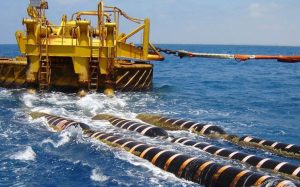
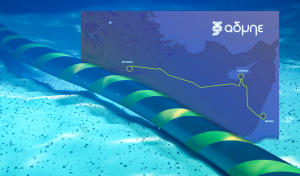
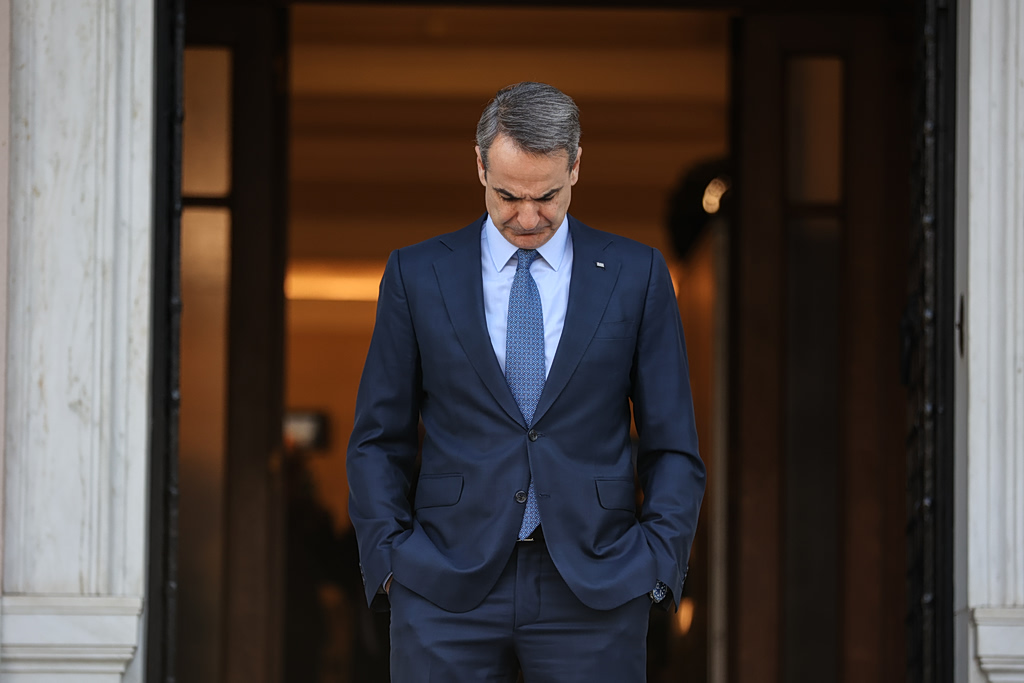
A former energy minister of Cyprus has issued a stark warning over the future of the Great Sea Interconnector (GSI), arguing that local interests are undermining efforts to connect the island to Greece’s electricity grid and end its long-standing energy isolation.
In an interview with Cypriot newspaper Politis, Giorgos Papanastasiou said that “local interests” portray any new electricity source entering Cyprus’ small market, especially one not under local control, as a threat.
‘Energy isolation is not sustainable’
Papanastasiou stressed that a country cut off from regional energy networks must find ways to interconnect.
“A country that is in energy isolation must, in one way or another, achieve energy interconnection,” he said.
Cyprus is currently not connected to any other national electricity grid and relies entirely on domestic power generation. According to Papanastasiou, this dependence leaves the country exposed to uncertainty, high production costs, limited competition and supply insecurity.
“When a country is not energy interlinked and depends only on local production, it will constantly be exposed to risks, high production costs, limited competition and insecurity of supply,” he said.
He argued that nations able to secure access to affordable and sufficient energy will be the ones that survive and maintain competitive industrial output in the long term.
Criticism of short-term thinking
The former minister also criticized what he described as a narrow focus on feasibility studies rather than broader strategic planning.
“We have remained at the level of feasibility studies and are not seeing the bigger picture,” he said, suggesting that Cyprus risks missing a historic opportunity to strengthen its energy security and competitiveness.
Without providing details, Papanastasiou also made indirect references to European-level scrutiny.
“Whatever is being investigated is not investigated randomly, especially by the European Public Prosecutor’s Office,” he said. “For European grants to be withdrawn, there must be evidence.”
His comments come amid ongoing debate and scrutiny surrounding the Greece–Cyprus electricity interconnection, part of the broader Great Sea Interconnector project linking the power grids of Greece, Cyprus and Israel.
Warning over electricity shortages
Papanastasiou also warned that Cyprus could face a higher price if electricity supply proves inadequate. Several conventional power generation units are awaiting the arrival of natural gas, he noted, raising concerns about the adequacy of supply in the interim.
He pointed to what he described as distortions in the domestic electricity market. Cyprus has commercial renewable energy parks that produce low-cost electricity, he said, yet they continue to be compensated based on the higher cost of conventional and more polluting generation.
As a result, he argued, profitability remains concentrated among renewable energy producers and suppliers, without sufficient benefit being passed on to end consumers.
“Profitability has remained with those producing energy from renewables because they are compensated based on high-cost conventional generation — and therefore they want this to continue,” he said.