The global race to control rare earth elements and critical raw materials is intensifying as the transition to green energy and high-tech innovation fuels skyrocketing demand. From electric vehicles and wind turbines to aerospace systems and smartphones, a select group of 34 strategic minerals lies at the core of 21st-century technology. Of these, 17 are classified as “strategic,” forming the backbone of clean energy and defense industries worldwide.
China’s Strategic Monopoly
Over 80% of the global production of rare earths is currently controlled by a single country—China. With decades of investment and minimal environmental oversight, China has built a near-monopoly that is now being leveraged not just economically but geopolitically. By restricting exports, Beijing has disrupted global supply chains and shaken multinational giants like Ford, General Motors, and Tesla, while also strengthening its strategic position against the US and Europe.
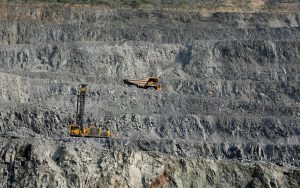
Western countries are now scrambling to catch up, but establishing new value chains in a stricter regulatory environment is both costly and time-consuming. Developing a single mine can take over a decade. Meanwhile, China continues to move ahead at full speed.
Greece’s Role in Europe’s Strategic Plans
Europe has begun responding. In March 2025, the EU approved 47 strategic projects across 13 member states, with a total estimated investment of €22.5 billion. One such project is in Greece, where Metlen will use local bauxite and existing alumina infrastructure to produce 50 tonnes of gallium per year—enough to meet the EU’s needs by 2027—and scandium.
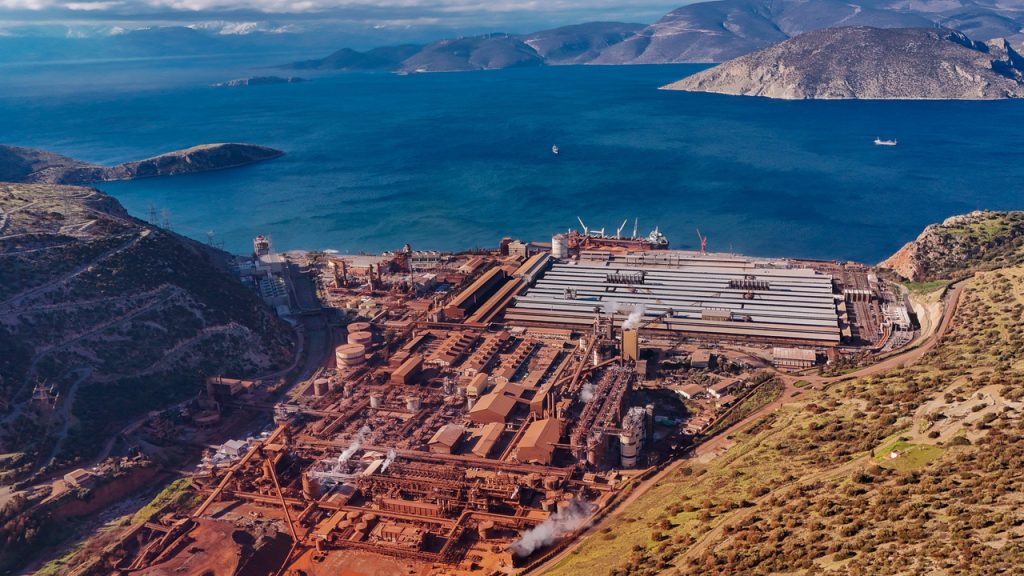
Greece’s mineral wealth is now attracting growing attention, particularly in light of a second round of strategic project submissions expected by the end of 2025. Key proposals include nickel and cobalt from local laterites, palladium from copper porphyry systems, and antimony and arsenic from polymetallic deposits. Germanium deposits in the region of Molai are also being explored.
Exploration and Investment Across Greek Regions
Recent geological reassessments have renewed interest in Greece’s lesser-known mineral zones. In Thermes, an old graphite deposit once deemed non-viable is now being reconsidered due to rising demand from electric vehicle battery manufacturers. A revised proposal has been submitted to Greece’s Ministry of Environment and Energy, potentially paving the way for a public tender.
Similarly, updated studies by Greece’s Geological and Mineral Research Authority (EAGME) have identified tungsten and other strategic metals in the Kimmeria region near Xanthi. Though no tenders have been launched yet, these findings underscore the country’s untapped potential.
In fact, rare earth elements have also been detected in Epirus, Northern Aegean, and Thrace, including lanthanum, neodymium, tellurium, indium, and bismuth—though these findings are still in early research phases and require significant investment to become viable.
The Social License Challenge
Despite geological promise and investor interest, Greece faces a critical barrier: public acceptance. Social resistance has delayed or derailed several mining initiatives, including the antimony site at Keramos on the island of Chios. Although four companies expressed interest during the initial tender phase, the process has stalled amid legal challenges and local backlash—fueled in part by recent wildfires that heightened environmental concerns.
According to Petros Tzeferis, Director General of Mineral Resources at the Ministry of Environment and Energy, the biggest hurdle is not permits or financing, but securing a “social license”—a concept referring to the approval of local communities.
Mature Projects and Mineral Opportunities
Greece already hosts advanced mining operations involving bauxite-alumina-aluminum systems in central Greece and polymetallic sulfide deposits in Thrace and Chalkidiki, including copper, platinum, palladium, and gold. These are considered mature projects and are seen as strategic for the country’s mining future.
Other promising sites include magnesite in Euboea and Chalkidiki, and nickel-laterites rich in both nickel and cobalt—two materials crucial for battery production but not yet extracted separately in Greece.
Less developed but still notable are manganese finds in Drama and Chalkidiki, graphite in Thermes, and polymetallic deposits in Kilkis and Kimmeria.