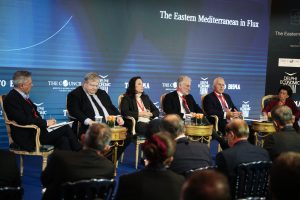
Greek officials emphasized the country’s strategic position in the developing India–Middle East–Europe Economic Corridor (IMEC) during the “Athens Policy Dialogues,” a two-day forum hosted in the Greek capital. Deputy Foreign Minister Haris Theocharis described IMEC as “a very important initiative,” spanning logistics, energy transport and regional connectivity. However, he noted that the project remains “in its early stages,” with no final decisions yet on expansion points or funding sources.
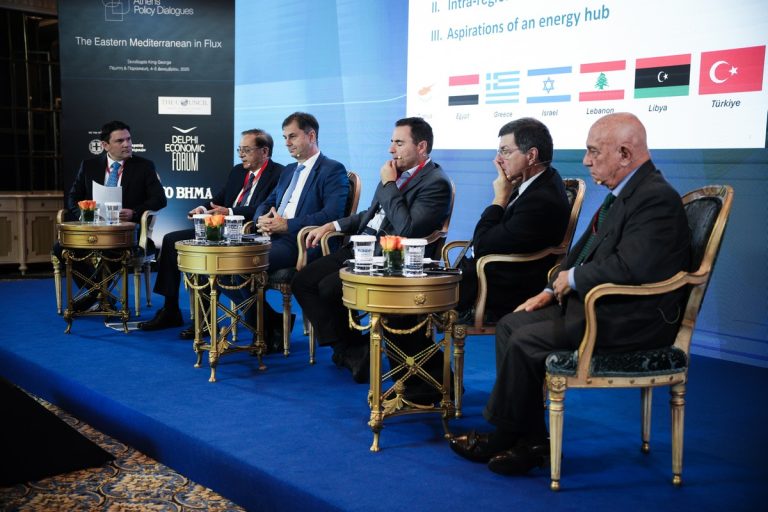
Theocharis said Greece “comes to the table with clear advantages,” pointing to the appointment of a dedicated envoy for IMEC and the potential benefits of linking the corridor with Europe’s northern routes. In the energy sector, he outlined three pillars of Greece’s role: its position as a gateway from Asia to Europe, its capacity for energy production, and the need to accelerate diplomatic agreements that bolster its geostrategic relevance. Greece, he argued, acts as an “exporter of stability” to the wider region.
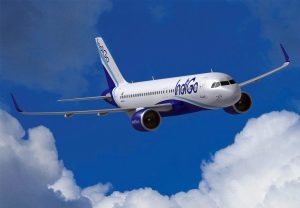
Dimitris Politis, the Prime Minister’s adviser on investment, said Greece must “move closer to India,” noting that direct flights between the two countries will begin in March. While acknowledging that “we are far from being fully ready” regarding rail infrastructure, he insisted that “funding will be there” and that IMEC is already underway, “not something that will happen in 20 years.” He praised Greece’s political stability and fiscal discipline but warned that the country is still “far from realizing the investments announced for data centers,” with many projects stuck at the planning stage. Although Greece could become a regional data-management hub, he stressed the need to account for climate impacts and actual demand from major tech firms.
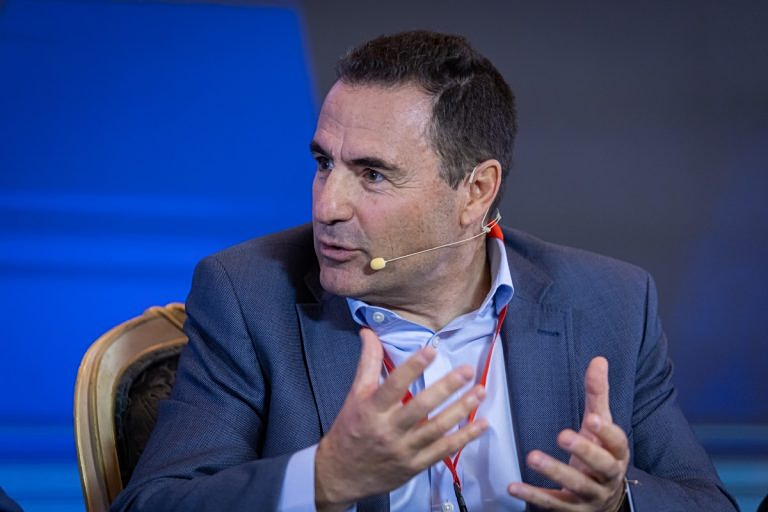
Broader regional perspectives were presented by Gikas Hardouvelis, president of the National Bank of Greece, who shared research on Mediterranean economies. He highlighted stark differences among countries in population, development and investment levels, noting that regional trade remains limited: Cyprus exports about 40% of its goods within the Mediterranean, while Greece exports just 17.9%. He pointed to significant natural-gas reserves in Egypt, Israel and Cyprus—enough for “45 years at current production levels”—and said Greece aims to become both a producer and transporter of energy as interconnections expand, including a planned electricity link with Egypt.
Christos Chatziemmanouil of the Bank of Greece emphasized that recent relative de-escalation in Gaza and political shifts in Syria create some grounds for optimism but cautioned that genuine progress requires stability, financing, transparent governance and responses to environmental crises. He also warned that U.S. dominance in the region complicates integration efforts and advised Greece “not to put all our eggs in one basket.”
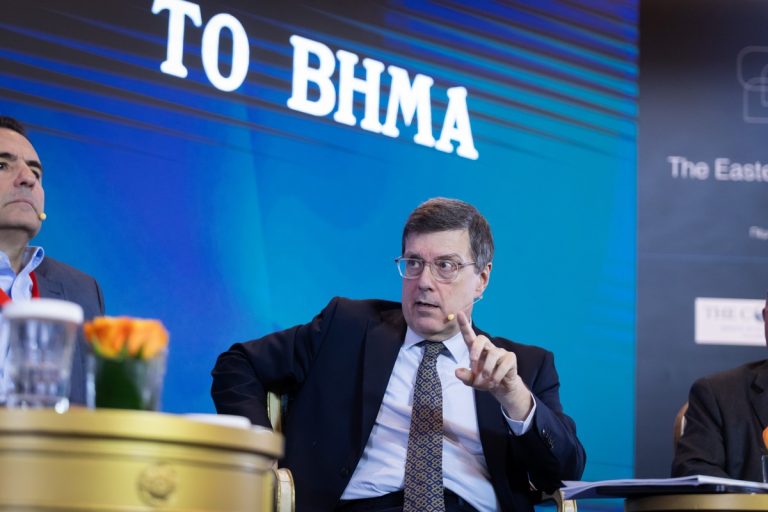
Former ambassador Yannis Alexis Zepos placed IMEC within a wider strategic framework, describing it as a route beginning in the Indian Ocean and reaching the Indian-owned port of Haifa before continuing to Europe. He stressed that such projects “require geopolitical arrangements” to be viable and highlighted the Greek port city of Alexandroupoli as a potential IMEC hub for Eastern Europe.
The discussion was moderated by journalist Ntinos Siomopoulos.