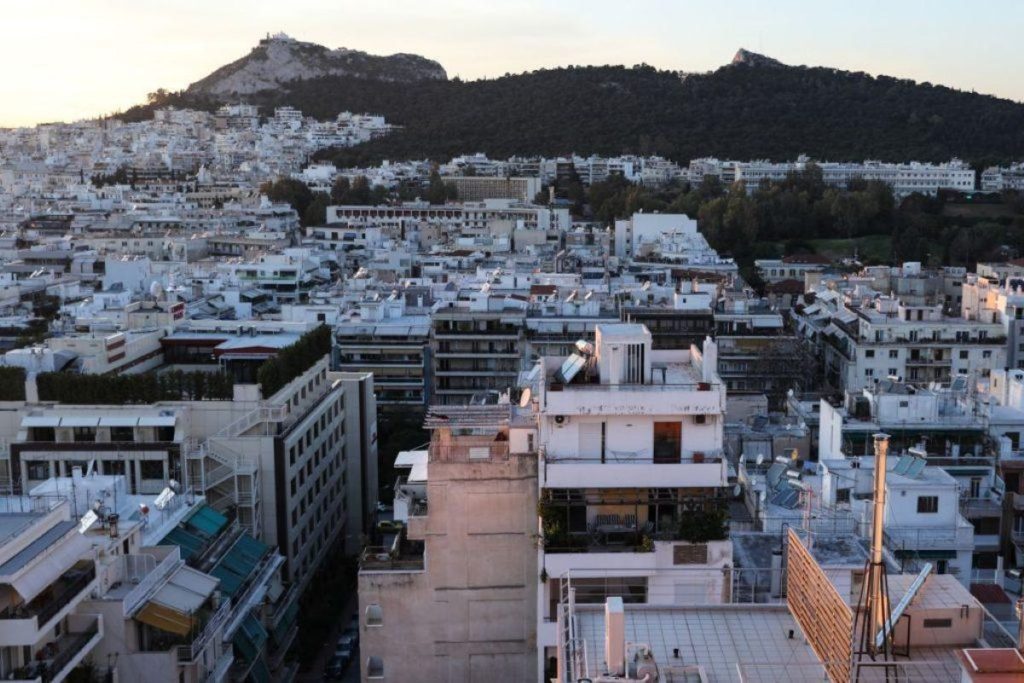

Greece’s rental market continues its steep climb, turning what was once a manageable monthly expense into an overwhelming burden for many households. Prices keep rising across major cities, with prospective tenants calling current rates “unrealistic,” even for older, modest apartments.
A recent study by the Foundation for Economic and Industrial Research (IOBE) underscores the strain: 40% of renters now spend more than 30% of their income on housing, while 17% devote up to half. At the same time, supply remains tight. Roughly 700,000 properties sit empty or inactive, exacerbating the mismatch between demand and available homes.
Listing data paints a similar picture. Throughout the first nine months of this year, most districts in Athens and Thessaloniki saw a decline in rental inventory. Only areas with increased investment activity preserved some stock for lease.
According to the Greek property website, Spitogatos, average asking rents in the third quarter of 2025 were 7.2% higher than a year earlier. The Southern Suburbs of Athens remain the country’s priciest area, with median rents reaching 13.1 euros per square meter. They are followed by the Cyclades, the Northern Suburbs, central Athens, and Piraeus, where the median stands at 10.4 euros per square meter.
The most expensive neighborhoods in Attica include Vouliagmeni and Voula, Kolonaki–Lykavittos, Filothei, and Palaio Psychiko, with median rents around 16.3 euros per square meter.
More affordable options can still be found in Stamata, Kamatero, Agios Stefanos, Paiania, and Ilion. Nationally, the most economical areas this quarter are in the wider Thessaloniki region, as well as the prefectures of Pella, Kilkis, Imathia, and Grevena.
Despite the ongoing surge, rental prices have not yet surpassed their 2011 peak. Still, the Bank of Greece warns that housing pressures are mounting as property values, taxes, and operating costs rise. With housing expenses consuming 35.5% of disposable income, the bank stresses the need for urgent support measures and stronger housing policies to safeguard households—and financial stability.