Greece is pushing for the European Union to prepare targeted measures to curb potential energy cost spikes, as uncertainty linked to developments in the Middle East continues to weigh on markets.
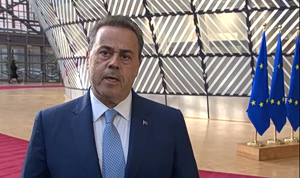
Speaking after a meeting of EU energy ministers, Environment and Energy Minister Stavros Papastavrou said European countries remain divided on how quickly to act. Some member states favor waiting, believing the crisis may ease soon, while others — including Greece — argue that contingency plans must be ready in advance.
Papastavrou stressed that preparing flexible, targeted measures now would allow the EU to respond faster if the crisis deepens or persists.
Lessons from the 2022 Energy Crisis
The minister pointed to delays during the 2022 energy crisis, when Europe took roughly a year to respond effectively. “It is important to learn from past mistakes and improve our weaknesses,” he said, noting that the EU now has a broader set of tools to shield consumers from rising energy costs.
At the same time, he emphasized that Europe’s long-term strategy — transitioning to a cleaner, more competitive economy through decarbonization — should not be disrupted.
Papastavrou also highlighted the need for careful balance, warning that any support measures must not undermine fiscal stability. For Greece, maintaining economic credibility remains critical. “Any flexibility or measures should not create the impression of fiscal loosening that could weaken the strength and stability we have achieved,” he said.
EU Summit Expected to Address Energy Concerns
Looking ahead to the upcoming EU summit, the minister predicted intense discussions, with pressure on European leaders to reassure citizens and businesses.
Europe, he said, must send a clear message that it stands ready to support both households and companies — even if emergency measures ultimately prove unnecessary.
Preparedness, he added, is key: policies should be designed in advance, not introduced after a crisis escalates.
Push for a Unified Electricity Market
Papastavrou also addressed discussions at the Energy Ministers Council on electricity networks, which Greece strongly supported despite concerns from some countries over costs.
He warned that the lack of a fully integrated European electricity market continues to hurt competitiveness and burden consumers.
Significant disparities in wholesale electricity prices between Eastern and Central-Northern Europe, he said, create an “energy wall” that must be dismantled through greater market integration.
Greece has consistently backed this position, both when it faced higher wholesale prices and now that it ranks among the 10 EU countries with the lowest, thanks to its diversified energy mix.
Strategic Role of the Vertical Corridor
The minister also underscored the importance of the Vertical Corridor, a regional energy infrastructure initiative aimed at turning Greece to a energy transition hub.
Recent developments, he said, highlight the project’s growing strategic value as a gateway for US LNG. Greece has called on EU member states to support the initiative and urged the European Commission to clarify regulatory uncertainties and establish a stable, predictable framework.
Government Ready to Act if Needed
Asked whether Greece is planning additional new national measures, Papastavrou said any decisions will depend on how the crisis unfolds.
He reiterated that Greece’s fiscal and political stability provides room for intervention within EU rules, if necessary. “The government will be there to support every Greek citizen,” he said, “depending on how the situation evolves.”