While the war with Iran dominates the horizon, Ankara has raised its posture in the occupied north of Cyprus. The deployment of F-16s and air defences was cast as a precaution while missiles crossed regional skies. In reality it was positioning for the decade, not the week. The move was deliberate, placed where Ankara expects the least scrutiny.
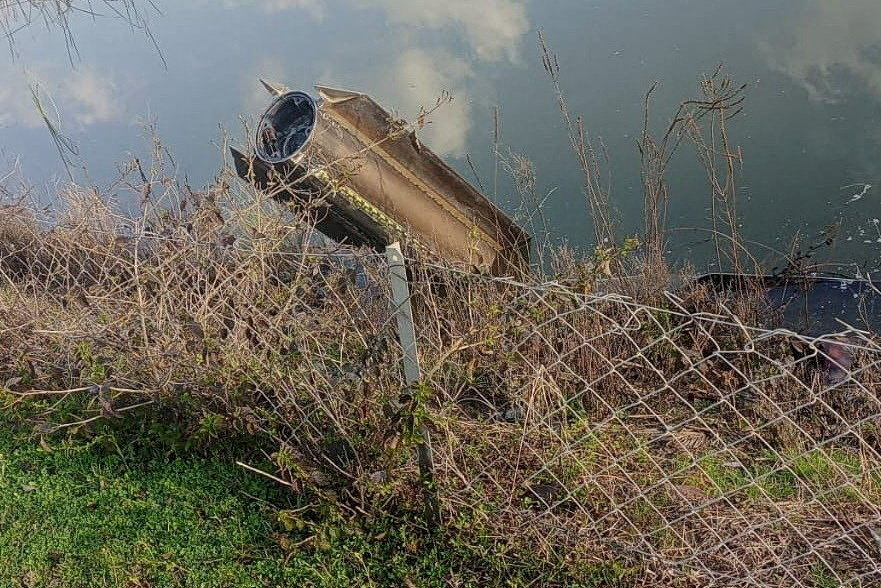
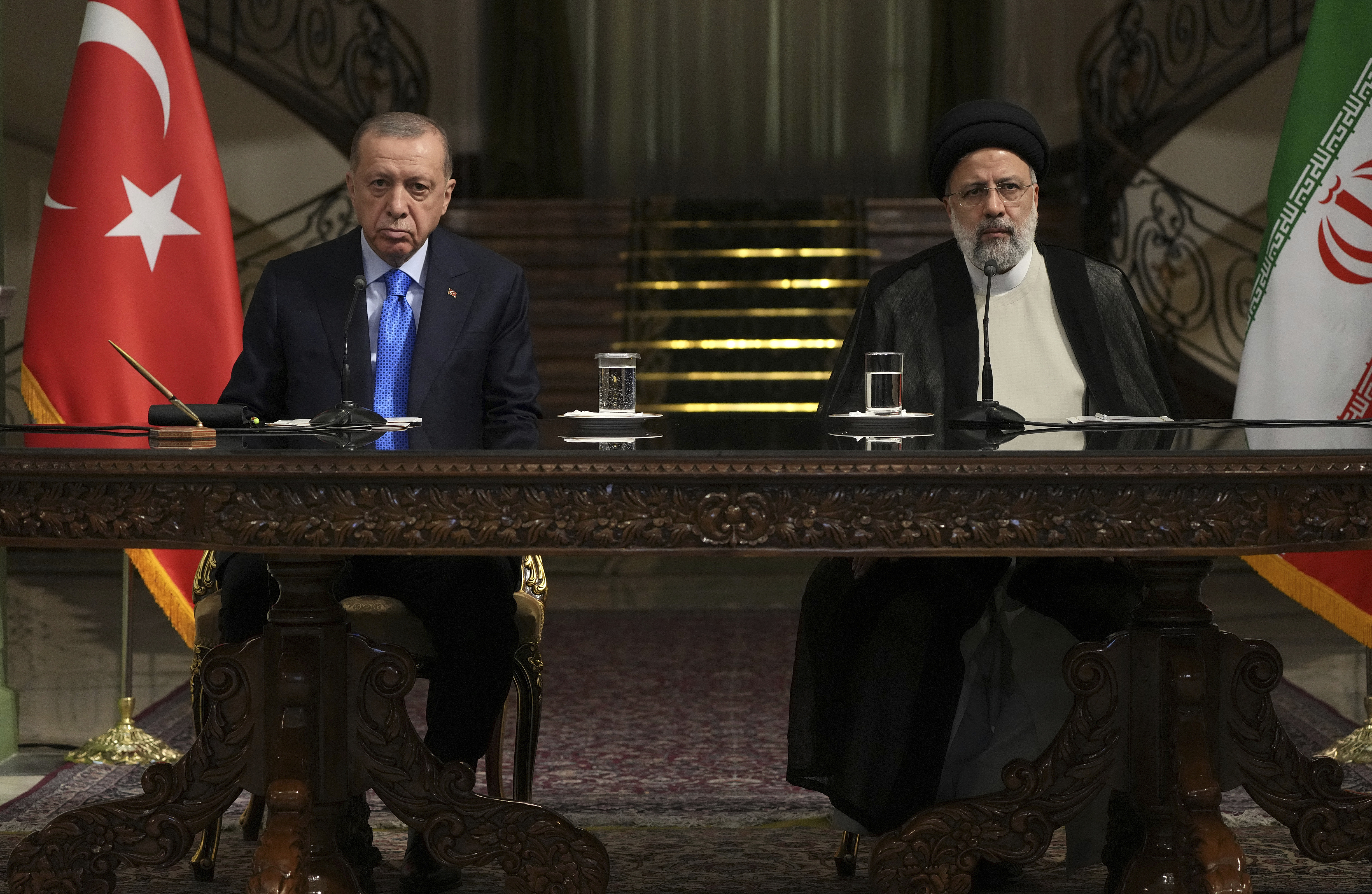
Turkey’s posture toward Tehran is not neutrality. It is preservation. Ankara opposes escalation, preserves ties and avoids confrontation even as missiles traverse regional skies. The Iskenderun episode exposed the pattern: a strike first framed as evidence that Turkey too was under Iranian attack, then quietly briefed as likely bound for Cyprus. The narrative shifted. Clarity was never the objective. Positioning was. Strategically, nothing changed. Turkey is not part of the pressure on Iran. It is part of the machinery sustaining Tehran. Tehran receives what war requires most: cover, space and time. Ankara does not need Iran to win. It needs the regime to endure. An unresolved Iran keeps the region unstable and attention elsewhere. When the war approached Turkish airspace, Ankara did not open a front against Tehran. It reinforced its military footprint in the occupied north. That choice says everything about where Ankara seeks advantage.
Cyprus is not strategy. It is leverage. Ankara treats the island as a forward position for projecting force across the eastern Mediterranean basin. Aircraft compress warning time and extend range. Temporary deployments become routine air policing. Officials already speak of phases, air defence layers and drones. This is not contingency. It is entrenchment.
None of this is improvised. It is preparation conducted in the confidence that NATO will tolerate in Cyprus what it would never accept elsewhere.
The irony is clear. Turkish officials accused Greece of exploiting regional crises in the Aegean. Yet converting turbulence into leverage has become Ankara’s reflex. President Erdoğan has declared that Turkey neutralises threats at their source beyond its borders. The doctrine runs from northern Syria to Iraq and across the seas. Cross-border action is routine.
Cyprus is the next stage of a pattern that predates this war. In 2019 Turkish drones appeared at Geçitkale airfield to support offshore energy operations. In 2020 naval deployments accompanied survey missions near Cyprus as Ankara tested maritime claims in contested waters. Navigation warnings expanded across the Aegean,
asserting continental shelf rights and challenging neighbouring research activity. Individually they appear tactical. Together they form doctrine.
Ankara frames a two-state outcome for Cyprus as the most realistic settlement. Figures within the governing coalition raised the prospect of deeper integration between Turkey and the northern entity. Whether such proposals materialise is secondary. Their purpose is to widen what Ankara considers possible. Military reality and political narrative now converge.
Turkey is no longer a reluctant status-quo power in the eastern Mediterranean. It is a revisionist one, and Cyprus is its proving ground.
This instinct to act while others look away is not new. The intervention in Cyprus in 1974 unfolded while Washington was paralysed by Watergate and the United States government consumed by domestic crisis. Decades earlier the incorporation of Hatay occurred as Europe drifted toward war and French strategic bandwidth narrowed. These were not coincidences. They were moments of distraction Ankara used. Each episode reinforced the same lesson: when allies are distracted, lines on the map become negotiable.
Nor is Turkey alone in this instinct. States have long operated under borrowed fire. Syria joined the coalition against Iraq during the Gulf War and consolidated dominance in Lebanon once the conflict redirected attention. Russia intensified operations in eastern Ukraine after the war in Gaza shifted global headlines. Strategic distraction is opportunity.
The war with Iran has drawn fleets and aircraft into the region. Air corridors are crowded with intercepts. Sea lanes are watched. The occupied north has become Ankara’s forward base in the eastern Mediterranean. Against this backdrop Turkey’s fighter deployment there is not marginal theatre. It is an attempt to shape the region’s security geometry before the war ends.
The next moves will be quiet. Strategy rarely announces itself. A rotational fighter presence will normalise unless challenged. Air defence layers will thicken. Unmanned platforms will operate from the north with greater frequency while reconnaissance patrols extend across the eastern Mediterranean. None will appear dramatic. Over time they redefine the theatre.
Yet strategy conducted under the cover of another war carries a paradox. States exploiting distraction assume invisibility. They rarely achieve it. When powers surge military assets into a region, sensors multiply, surveillance intensifies and information circulates instantly. What once escaped notice is now recorded everywhere.
The legal framework surrounding the island reinforces scrutiny. International rulings and United Nations resolutions recognise only the Republic of Cyprus and reject the
legality of the northern entity. Reinforcing military infrastructure does not erase those determinations. It deepens the record.
There is also a contradiction in Ankara’s posture. The crisis that enabled the deployment also exposed Turkey’s reliance on collective missile defence when Iranian projectiles crossed regional skies. Interceptions came through allied systems while additional missile batteries reinforced the regional shield. A state widening one theatre while leaning on external protection in another projects autonomy while revealing dependence.
European capitals and London are not bystanders. Each accepted “temporary” deployment writes Cyprus into a different security order. Ankara counts on that indulgence. It has for decades. Each unanswered move turns Cyprus from a European problem into a European choice.
Even the supposed rear area is not frictionless. Northern Cyprus hosts a large Turkish military footprint, yet segments of its population question Ankara’s political direction and social influence. Military depth is strongest when the society behind it is aligned. When tension grows, securitisation can produce the opposite effect.
Moves taken under distraction are recorded more closely than those taken in calm. Every deployment leaves coordinates.
War accelerates strategy. While the world watches Iran, Ankara is redrawing the map of the eastern Mediterranean.
But maps work both ways.
Every new position extends reach and fixes vulnerability. Every aircraft shelter, patrol route and radar horizon enters a file, a model, a contingency.
States acting under borrowed fire often mistake distraction for immunity. It is not immunity. It is disclosure.
Disclosure is acted on.
Attention shifts. The map does not.
*Shay Gal works on international politics, crisis management and strategic communications, engaging governments and policymakers worldwide on power, risk and strategic decision-making.