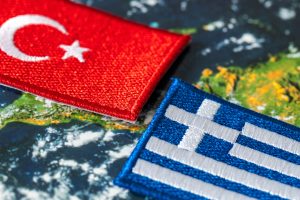
Our relations with Turkey have embarked on a peculiar phase. In theory, we’re sailing in calm waters and nothing seems likely to stir them up till autumn, at least.
But it is equally obvious that the climate is different.
The Greece-Turkey High-Level Cooperation Council which was supposed to take place in Turkey keeps getting postponed.
Initially scheduled for the start of the year, it has now been pushed back to September. And there could be more postponements, of course.
The last two years have seen Turkey making visible efforts to improve its relations with Europe.
Ankara clearly didn’t know how to react to the Greek Prime Minister’s self-evident clarification that Turkey’s participation in the European defense system is subject to “good neighborly relations” with Greece and the removal of threats of war.
Mitsotakis said as much—or, actually, repeated it—in a TV interview (Skye, 23/7).
And from on the other side: silence. With some scattered reactions in the Turkish press to what they dubbed ‘blackmail’.
The Turkish reactions to Athens’ recent announcements on the marine parks were as low-key and vague. Though it’s hard to imagine what other rights Ankara could lay claim to in the Ionian or southern Aegean.
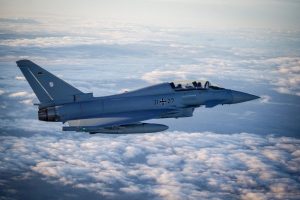
Clearly, Turkey is seeking to maintain open channels of communication with Europe, with an eye on arms deals such as the Eurofighter. But to do so without being seen to backpedal on any of the key elements of its rhetoric, including the casus belli.
The question is how long it can keep up this double game underpinned by these mutual contradictions.
And, above all, whether Turkey will be able to adapt to the reasonable demands that its de facto participation in European defense entails. And in which Athens obviously has its say.
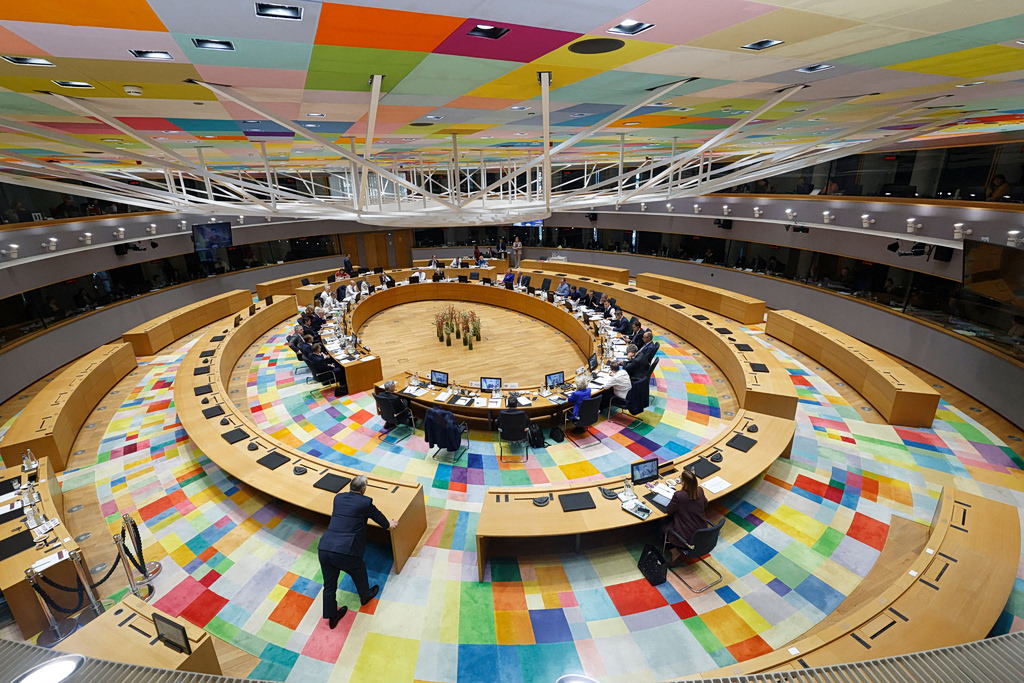
There is no doubt that a part of the European system now views Turkey more positively than in the past.
On the other hand, not many in Europe will have grasped that Turkey is arming itself—and with our money!—with a view to threatening a European country like Greece.
This is a contradiction that only Turkey can resolve.
Besides, I don’t see who would grant Ankara more than it legitimately claims or deprive Turkey of what it’s entitled to.
But what is Turkey entitled to? Therein lies the whole problem. Because, with Ankara showing no inclination to smooth out the contradictions that have historically characterized and defined its stance, the decades-long debate is no closer to a conclusion.
The result: Turkey remains mired in doublethink.