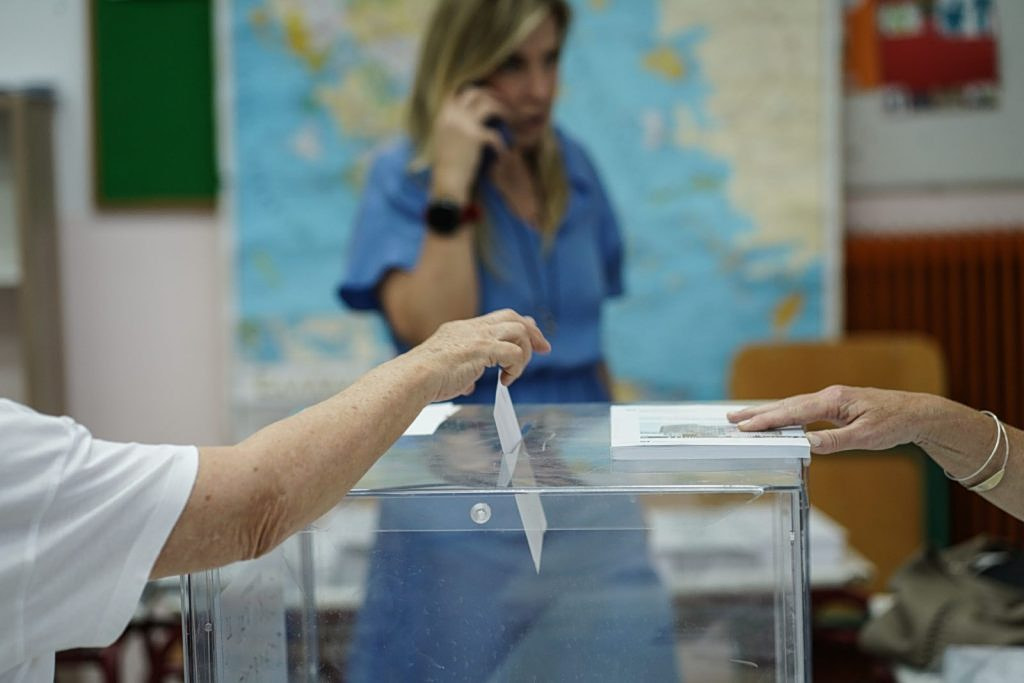
We’re not in the home stretch yet. A lot is sure to happen between now and then. But we have entered the long straight that ends with the elections.
Which is reasonable. Five months from now, the 2023 Parliament will embark on the fourth and final year of its term in office. The prevailing view is that it won’t see the year through.
Greece takes over the EU presidency on 1 July 2027, and it’s fair to expect the procedures that will give Greece a new Parliament and a new government to have been completed by then.
After one or two trips to the polls. Meaning the electoral process has to start in April 2027 at the latest, but possibly somewhat earlier.
So the final straight is long. But not a journey into the unknown.
The current polling more or less reflects how it feels on the ground: a fatigued incumbent running out of steam but still clearly in first place, followed at a distance by rivals every bit as exhausted.
The government’s recent initiatives with regard to the Greek diaspora and postal voting are useful, but haven’t changed the electoral landscape in any meaningful way.
In any case, postal voting and seats for expatriates have long been a fixture in the vast majority of European democracies. As initiatives, they’re somewhere between self-evident and a no-brainer.
There is nothing to indicate that additional changes will be made to the electoral rules necessitating larger majorities.
And they may not be needed.