Before the post-war reconstruction, the avant-garde pioneers of the 1930s generation—and others with still bolder ideas—loved Athens and were not ashamed to say so. Theotokas hymned the praises of Syngrou Avenue in “Free Spirit” in 1929. Later, Seferis would dedicate a poem of the same name to it, in honor of the discovery of the modern perspective that connects the city’s core with Faliro’s open horizon and the spiritual energy Theotokas sensed in its depths. In 1963, Andreas Embiricos makes Philellinon Street a conduit for the transcendence of the soul and revelatory experience.

The modernists of the interwar period saw in the long strips of asphalt and the reinforced concrete of the new apartment buildings a hands-on rebirth of the city and the Athenian psyche. It wasn’t that they were bowing before the rationality of urban development; it was more new experiences, heightened senses and rekindled emotions they looked forward to from the lived experience of the new Athens. Experiences, senses and emotions that would no longer be oppressed between the inherent poverty and Germanic classicism of what was now for them the old Athens. A new urban life could now come into being in the apartment blocks of a concrete-and-electric quotidian. And new and different wanderings became possible, at wheeled speeds so fast the passengers’ eyes wouldn’t have time to adapt to the alternating brightness along the way. And new emotions would supersede the old ones: fixed in individuality, but open to the world, to others, to rational thought and delirious pleasure at one and the same time. And all of this would be Greek; it would not impede regular visits to tradition or the right to ancient knowledge as a last resort.
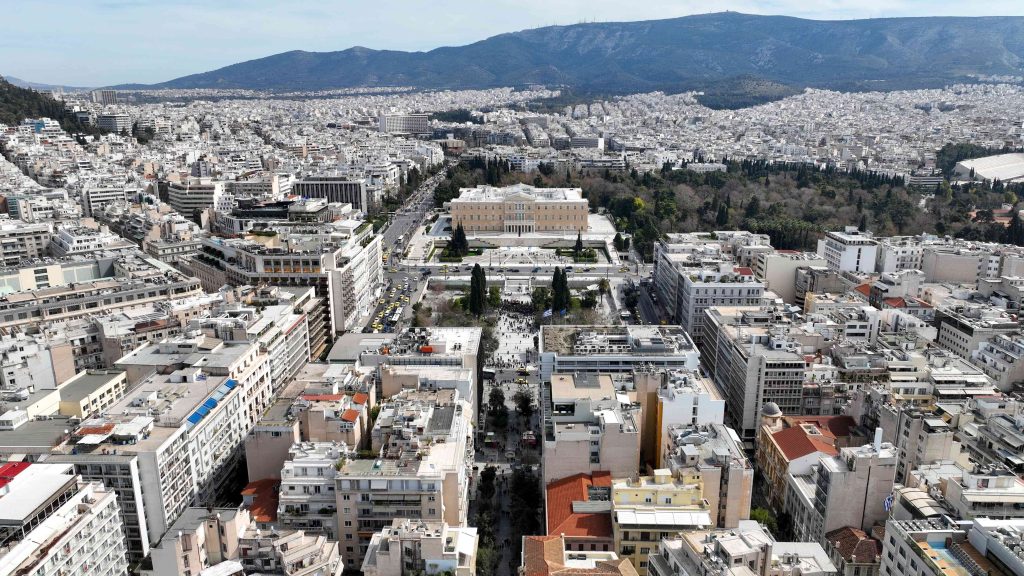 And their vision for the city would be vindicated. Athens and the big cities became precisely this after the war and reconstruction. Those who arrived, passed through and left, stayed in them forever more, lived their joys and their sorrows in this structured density. They concealed and revealed themselves against the construction materials of a modern world which had come into its own in the meantime: that of a lower middle-class society on the move and awash with contradictions. But this experience never received the official stamp of approval, was never legitimized by being spoon fed to school children for regurgitation in ‘essays’ that are anything but. And it has never entered the mouths of everyday folk (only recently, through dubious exoticisms born more in the minds of certain flaneurs from abroad than in the soul of today’s Athenians). Moralists of the Right and Left have, in any case, converged in the orthodoxy of rural nostalgia and romantic musings on the “authentic” community lost amidst the concrete and the supposed impersonality of the city. That discourse on ‘city-philia’ and the anathematizing of ‘concrete cages’ was our first—and unfortunate—national reconciliation.
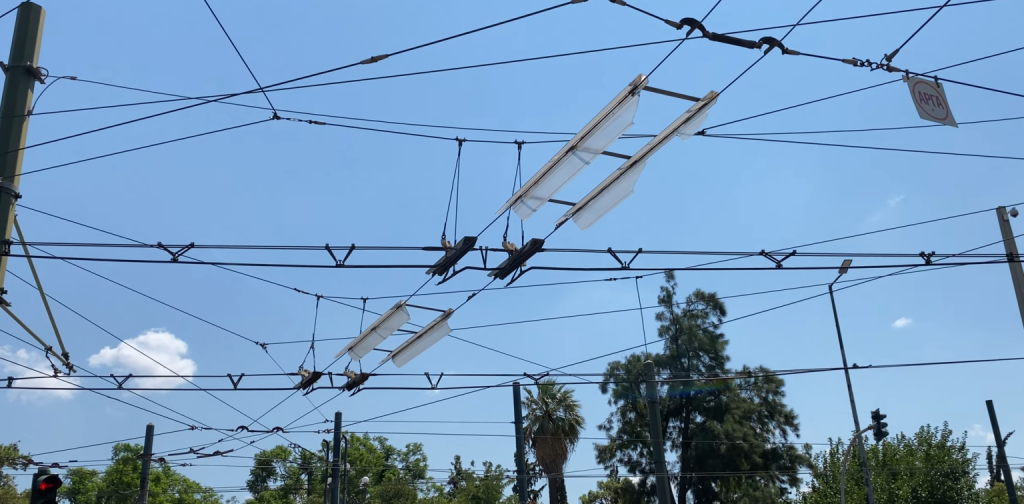
An image of the criss-cross of wires powering Athens’ trolley buses
Today, the trolley buses are finally being withdrawn, drastically changing Athens’ iconography. They had praise lavished on them once (in the “Ode” dedicated to them by Kostas Kremmidas in 1995), and nostalgia for the subdued whir of the transformers, the atypical courtesy of their conductors, the sweet monotony of their afternoon routes, should not be detracted from. They were a controversial choice, a ‘modern’ transport option introduced to replace the tram (which, though once obsolete, has lived to see another day); but one which did not match the benefits dreamed up in the ecological and transportational imaginations of the fixed-track ideologues. The dismantling of the overhead electrical installation, the grid of wires and columns, will relieve the eye of their visual noise without depriving the city of electrified transportation.
But the memory of the city, the memory of a modern life in which bodies and emotions were joined in two emblematic neighborhoods whose concrete apartments were connected by the trolleybus can be preserved. Kypseli–Pangrati. And if it is a bus, let it be yellow and advertisement-free, so it may follow in the trolleybus’s wake, along the same route followed by visiting Athenians of the old new era.

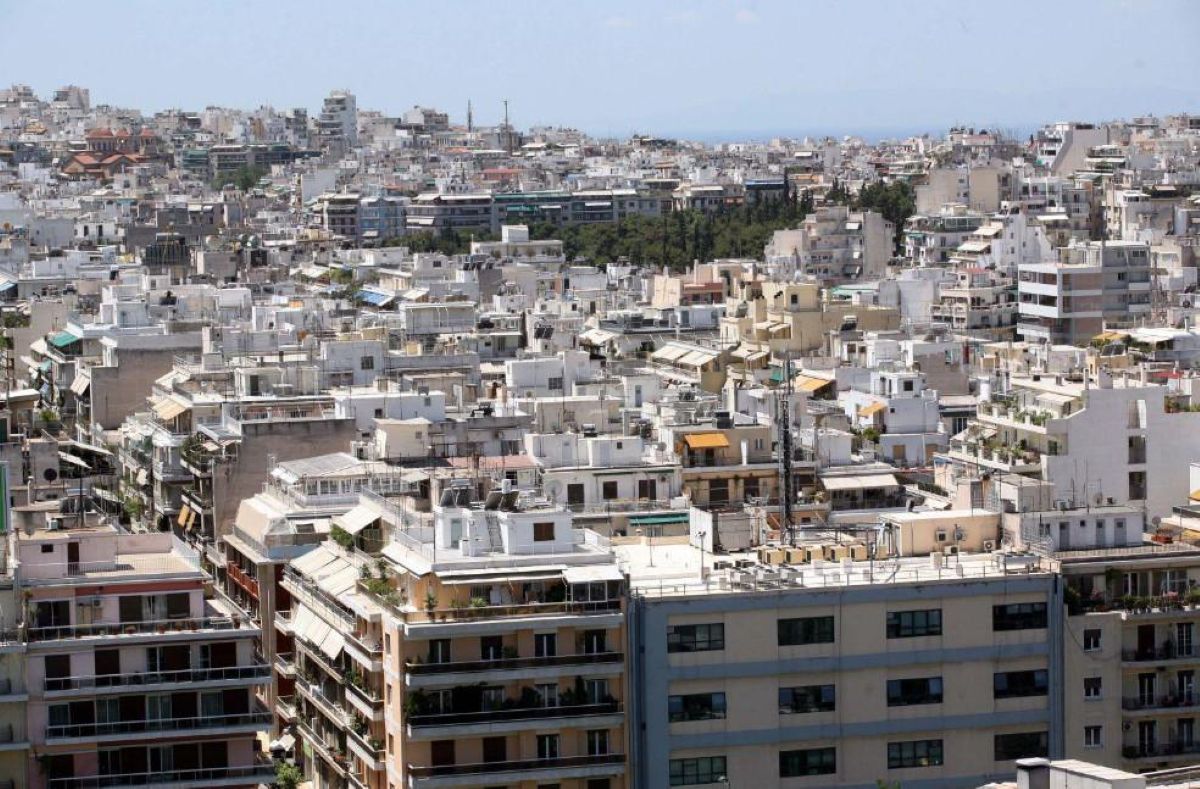
Streets scenes during the heat wave , in Athens, on July 26, 2023 / Στιγμιότυπα απο την Αθήνα εν μέσω του καύσωνα, στις 26 Ιουλίου, 2023