In his book The Greek Perfect Storm, recently published by Metaichmio, Ambassador (ret.) Vassilis Kaskarelis sheds light on many unknown episodes from Greek and European political life. Not rarely, the protagonists are ministers who said one thing at home and another abroad; others who refused to go to Brussels; or colleagues who often did not understand what their European counterparts and institutions were telling them — simply because they didn’t speak English.
Among other things, Kaskarelis recounts a particularly interesting and relevant story from 2008: the European Commission had raised the alarm over the state of the Greek livestock sector, threatening a complete ban not only on exports but even on domestic consumption of all Greek animal products — from meat to milk and cheese.
Kaskarelis recalls his shock upon reading the reports describing “the appalling conditions in the majority of slaughterhouses” and the successive warnings sent to the Ministry of Rural Development, which had (apparently) been ignored. Ultimately, dramatic high-level consultations were required — involving then European Commission President José Manuel Barroso — to avert the “explosion” that would have brought economic disaster and a major blow to the country’s international image.
The irony, as Kaskarelis himself notes, is that at that very moment Greeks continued to prefer “our own” lambs, convinced that domestic products were of superior quality.
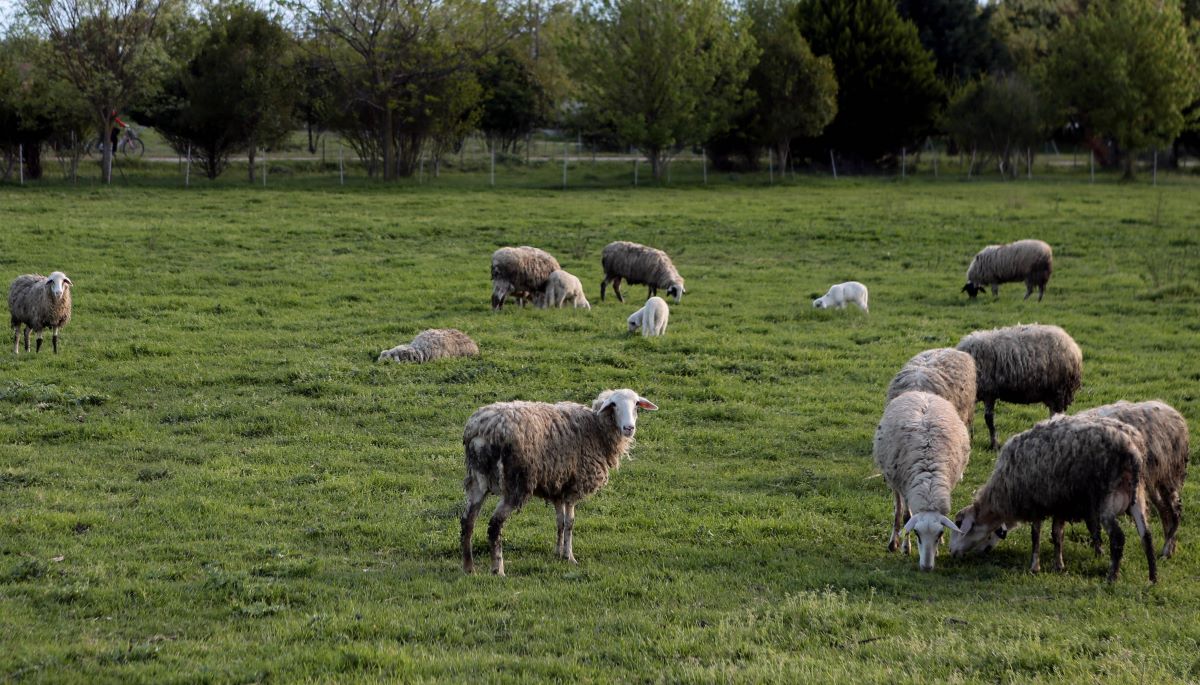
Fifteen years later, the picture, in practice, has not changed much. With sheep pox decimating livestock and the possibility of a lockdown still on the table, reality once again finds us unprepared. As the regional governor of Thessaly, Dimitris Koureta, recently said, “Biosecurity conditions in Greek barns have always been poor — that’s why there’s no sheep pox in Central Europe.”
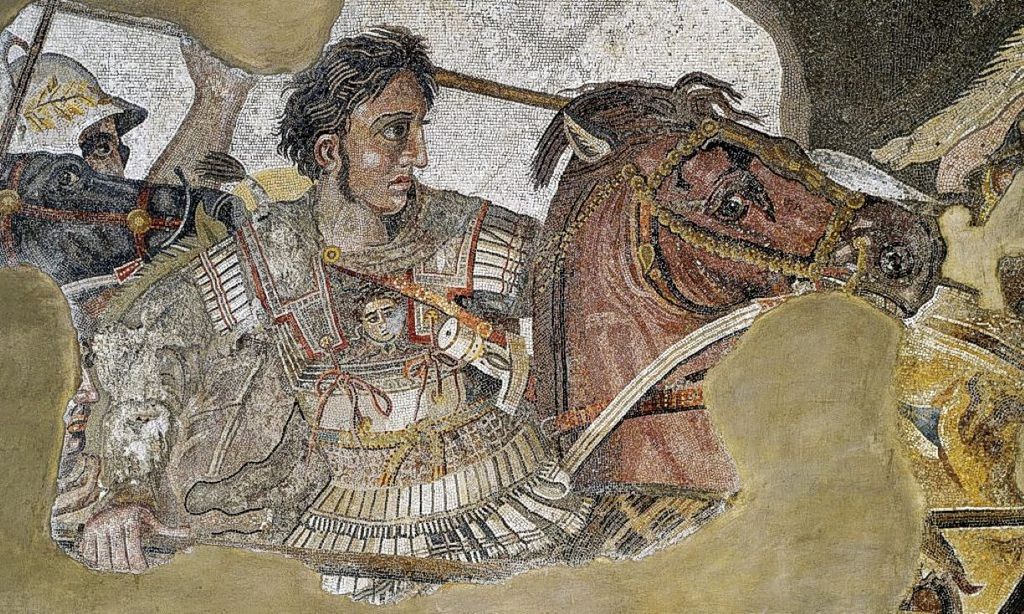
But the problem is not only sanitary or institutional, nor is it confined to livestock farming. It is broader — and deeply cultural. Greece, trapped in a narcissistic myth of self-affirmation, perhaps because of its glorious ancient past, refuses to see reality.
Our animals are the best, our products the finest, our heroes fight like Greeks, and our country is the piece of land “God kept for Himself.” Within this fairy tale of superiority, self-criticism feels like blasphemy — and rarely finds willing ears.
Every so often, however, this flawless self-image is smudged by an outbreak of sheep pox, a scandal at the Hellenic Payment and Control Agency (OPEKEPE), or a tragedy and its miserable handling — all of which lay bare our institutions and those in power.