 Μake us preferred on Google
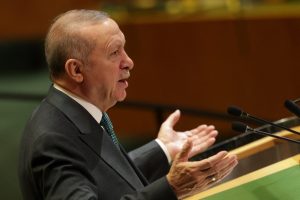
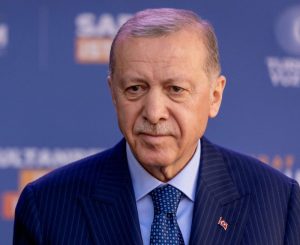
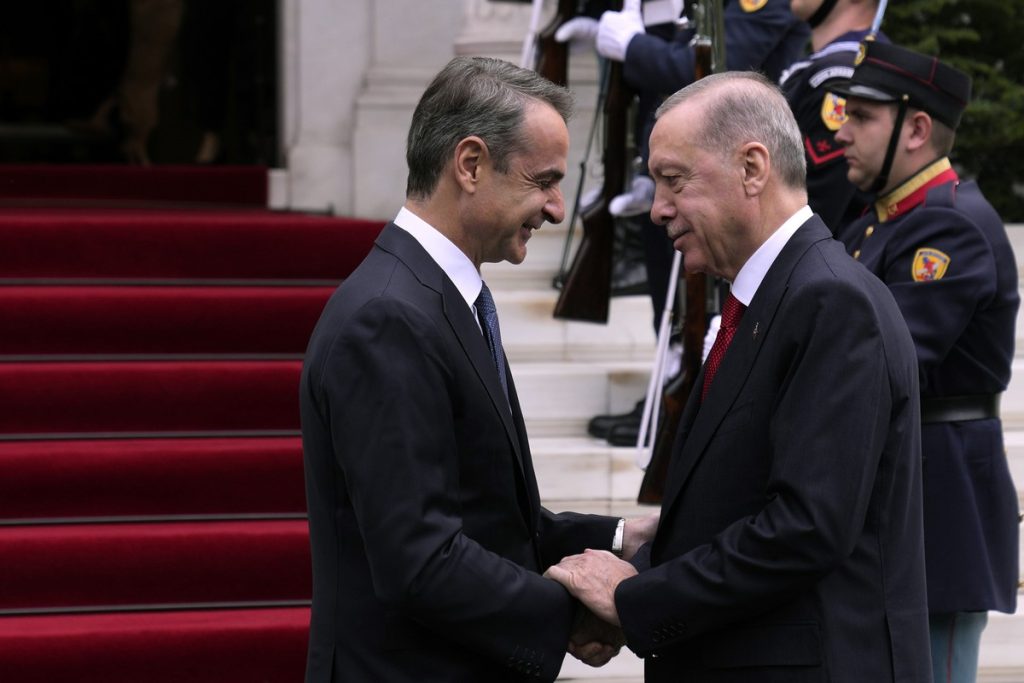
 The president of the American Hellenic Institute (AHI), Nick Larigakis urged President Donald Trump in a letter to take a tougher line on Turkey ahead of President Recep Tayyip Erdogan’s visit to the White House Thursday — a meeting that has already raised alarm within the Greek American community.
According to the letter, Ankara continues to pursue policies that run counter to U.S. strategic interests in the Eastern Mediterranean. Larigakis urged the administration to block any new arms deals with Turkey, including that of F-16 and F-35 fighter jets.
The AHI president outlined a series of issues underscoring what he described as Turkey’s unreliable role as an ally. Among them were the ongoing occupation of Cyprus and related human rights violations, Turkish military operations in Syria and the repression of Kurds, repeated violations of Greek airspace and maritime boundaries, and Erdogan’s escalating rhetoric against neighboring countries.
The letter highlighted restrictions on the Ecumenical Patriarchate’s religious freedoms, Ankara’s hostile stance toward Israel, and alleged support for groups such as Hamas, which Washington designates as terrorist organizations.
Further criticism was directed at Turkey’s purchase of Russian S-400 missiles, its deepening ties with Vladimir Putin and Xi Jinping, and its declared interest in joining the BRICS bloc. The institute also noted Turkey’s backing of Azerbaijan during the Nagorno-Karabakh conflict and its failure to prevent attacks on U.S. troops stationed on Turkish soil.
“We urge you to reaffirm America’s commitment to alliances and partnerships in the Eastern Mediterranean and to make clear that threats against Greece, Cyprus, and Israel are unacceptable,” Larigakis wrote. “Turkey’s actions demand a decisive and public U.S. response that holds Ankara accountable for violating international law and undermining regional stability.”
The letter also warned that Turkey’s “Blue Homeland” doctrine fuels tensions, disrupts U.S. efforts to counter malign influences, and delays energy projects involving American companies. It accused Ankara of trying to undermine U.S.-Greece defense cooperation, while also opposing the expansion of defense ties between Washington and Nicosia.
Special emphasis was placed on the 51-year occupation of Cyprus. The continued presence of Turkish troops in the north, the letter stressed, constitutes a violation of U.S. arms export laws, which stipulate that American weaponry may only be used for legitimate self-defense.