The warning signs
“Athens cannot operate like one giant hotel. The warning signs are everywhere: from rents that have skyrocketed and pushed residents out, to infrastructure buckling under the pressure. Restrictions and rules are needed. Cities must also have a say in how they develop. I have made it my goal to save Plaka,” Mr. Doukas said.
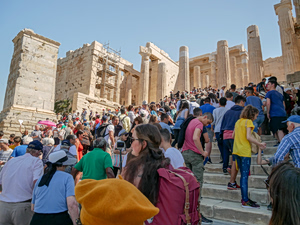
It is noted that in 2025 Athens received more than 8 million visitors, a figure that places intense pressure on a city of around 700,000 residents, with direct consequences for daily life and housing.
Rents soar
According to the report, uncontrolled tourism growth has led to soaring rents, overloaded infrastructure and the alteration of the character of historic neighborhoods such as Plaka.
At the same time, the spread of short-term rentals and tourism investments is intensifying pressure on the city center.
Doukas’ proposed measures
The measures proposed by Mr. Doukas include a “freeze” on new tourism activities in saturated areas, a possible “brake” on the construction of new hotels and the redirection of investments to less burdened areas. The aim is to protect housing, strengthen sustainability and preserve the city’s identity.
At the same time, the municipality’s strategy focuses on affordable housing policies, the use of vacant buildings and the strengthening of public spaces and green areas, with the core message that “Athens belongs first to its residents and not only to those who want to exploit it.”
The issue forms part of a broader European trend, with cities such as Barcelona adopting similar restrictive measures, as the debate intensifies over the limits of tourism development and the need to balance the economy with quality of life.