 Μake us preferred on Google
 Greek Energy and Environment Minister Stavros Papastavrou highlighted the country’s twin energy transition goals—greening electricity production and establishing Greece as a regional energy hub—during the Economist conference “South-East Europe as a Bridge of Co-operation and Growth” in Thessaloniki.
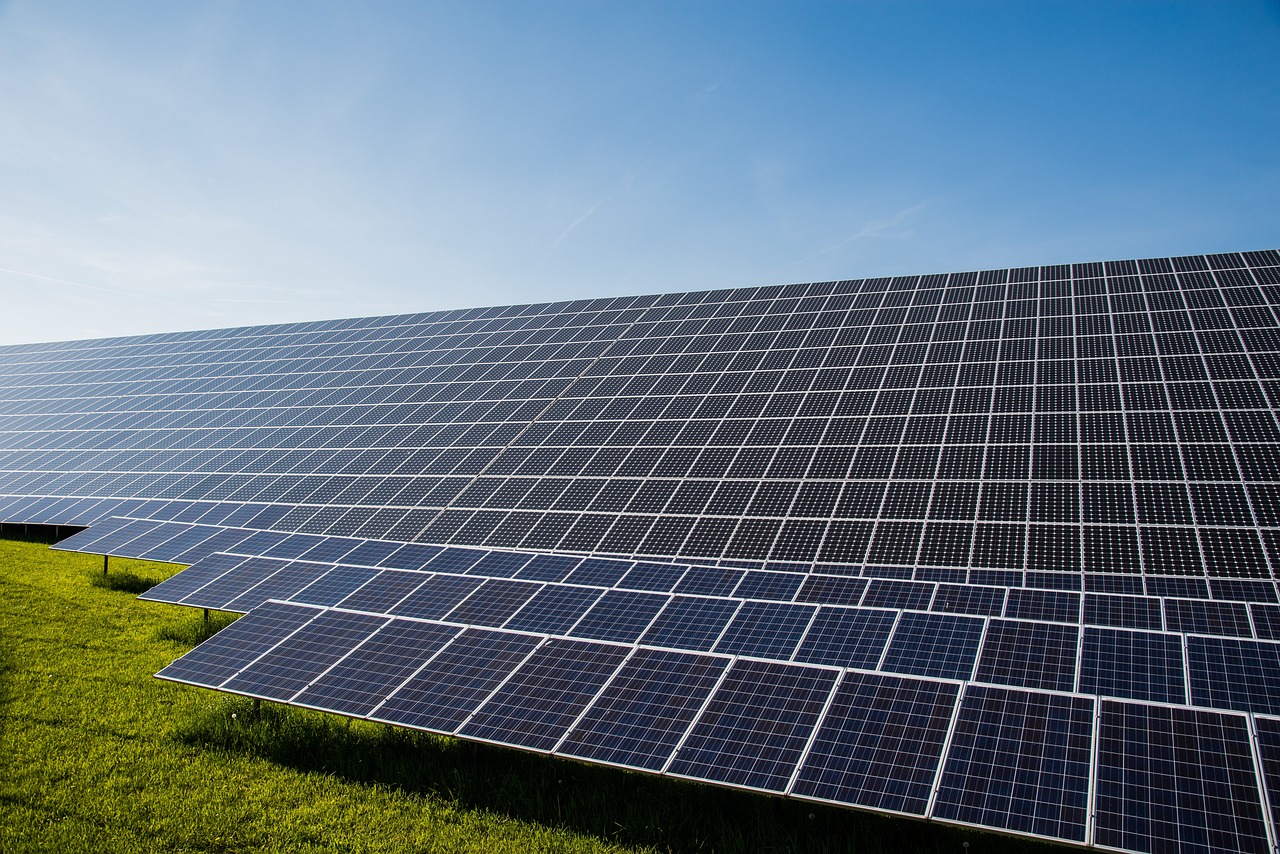
Papastavrou noted that in 2005, about 60% of Greece’s electricity came from lignite, while renewables now account for nearly 60% and lignite has fallen to 9%. He stressed that this transformation took place during a particularly difficult period for Greece, amid the financial crisis.
Greece as a regional hub
The minister underscored ongoing investment in cross-border interconnections, including plans with Cyprus for a power link and progress on a planned interconnection with Egypt. He also pointed to the importance of the vertical natural gas corridor—running from Greece to Central Europe and Ukraine—for regional prosperity and energy transition. Regulatory alignment along the route, he said, is critical to enable efficient gas transit. Greece has the capacity to export up to 8 billion cubic meters of natural gas annually, compared with zero exports in 2019–2020, he added.
Electricity prices
Papastavrou also referred to lower electricity prices this summer compared with what he called last year’s “unacceptable” situation, when prices in Southern Europe were two to three times higher than in the north. He credited the decline to the activation of a working group proposed by Greece to the European Commission in March.
U.S. support
Josh Huck, a senior official at the U.S. Embassy in Athens, said the key lesson of recent years has been the danger of overdependence on Russian gas, which must be addressed. He reiterated U.S. support for the vertical gas corridor, which he said breaks Russia’s monopoly and brings competition to the region, as well as for the Alexandroupolis LNG terminal. Huck also highlighted U.S. backing for the Elefsina shipyards, which are expected to play a role in maintaining LNG carriers.