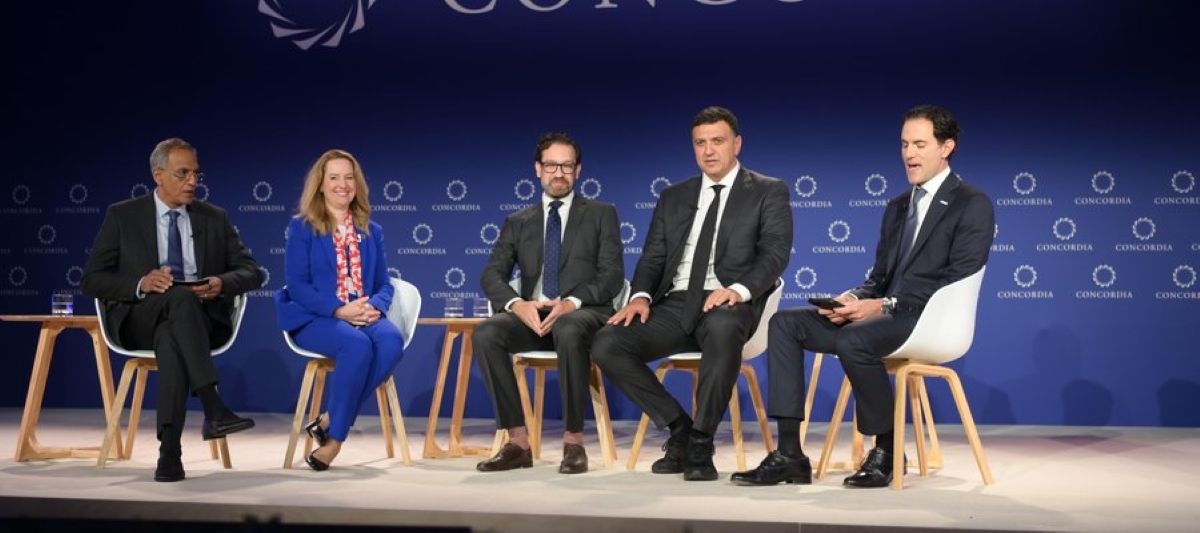
Greek Minister of Maritime Affairs and Island Policy Vassilis Kikilias took part in a panel discussion on migration at the Concordia Summit in New York, highlighting the challenges and responsibilities that countries face in addressing the issue.
According to the ministry’s statement, Kikilias drew a clear distinction between refugees—such as women and unaccompanied children—who seek protection and are sheltered in line with international conventions, and migrants arriving for other reasons.
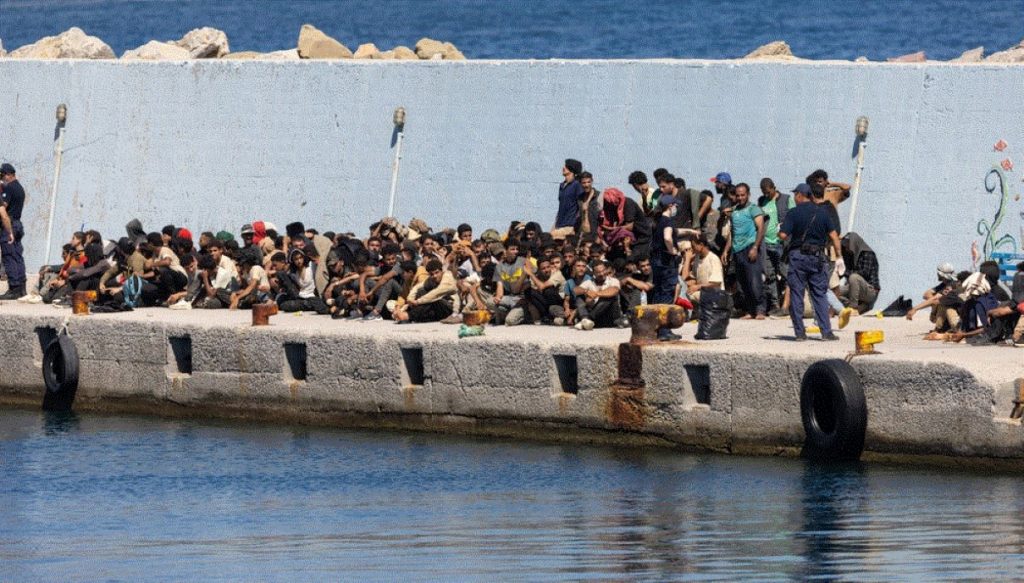
He recalled that in 2015, nearly one million migrants crossed into Greece through Turkey, reaching the islands and mainland—a figure amounting to roughly one-tenth of the Greek population at the time. Managing that influx, he stressed, was nearly impossible as the country was still under austerity.
Kikilias emphasized that Greece, much like the United States, supports legal migration. “What we want in Greece is the same: people seeking job opportunities and a better life through legal means,” he said, pointing to the example of Greek immigrants who once arrived in America by ship, worked hard, advanced, and earned respect.
The minister also underlined the importance of security, “so that women and children can walk at night without fear,” and stressed that every generation should be able to live better than the last. On irregular migration, he was firm: “No one can, nor should, enter Greece, Europe, or the United States without permission.” While acknowledging Greece’s need for workers in tourism, construction, and agriculture, he insisted that labor migration must be managed with balance.
Looking ahead, Kikilias warned that wars and the climate crisis will continue to drive people to seek food, shelter, and water. Security, he said, remains a fundamental requirement for all societies. This, he argued, makes it vital to “rethink policy frameworks and decisions to preserve social balance.”
He concluded with a cautionary note: when integration is not properly managed, problems can surface “in the worst possible way after one or two generations,” underlining the need for policies that align with the real needs of citizens.