The all-important source code being developed for Greece’s newly purchased “Achilles Shield” air defense program will be Greek, remain under exclusive Greek control and be tailored to the country’s operational requirements, the Israeli defense ministry underlined in a statement released on Tuesday evening.
The statement, issued by the media and public affairs bureau of the Israel defense ministry, said the agreement between the Israeli and Greek defense ministries provides for the transfer of Israeli know-how to Greece-based companies participating in the program.
This includes operational expertise accumulated through decades of developing and operating air defense systems, as well as technological support for the development of central command-and-control software.
“The Greek source code developed under the program, together with any modifications and additions to it, will remain under exclusive Greek control and will be tailored to Greek operational requirements,” the statement added.
Moreover, the Israeli side emphasized that a sustained effort had been made in recent years, as the agreement was being developed, to transfer technologies and capabilities to companies in Greece that will be integrated into production of the system’s “architecture” to be delivered to Greece.
Israel Moves to Clarify Over Greek Concerns
The clarification comes after widespread claims in recent days in a handful of local media reports and extensive social media “chatter” concerning access to the source code underpinning Israel’s own operational systems. The Israeli ministry said those claims were unrelated to the Achilles Shield agreement, under which a dedicated Greek source code will be developed with Israeli support.
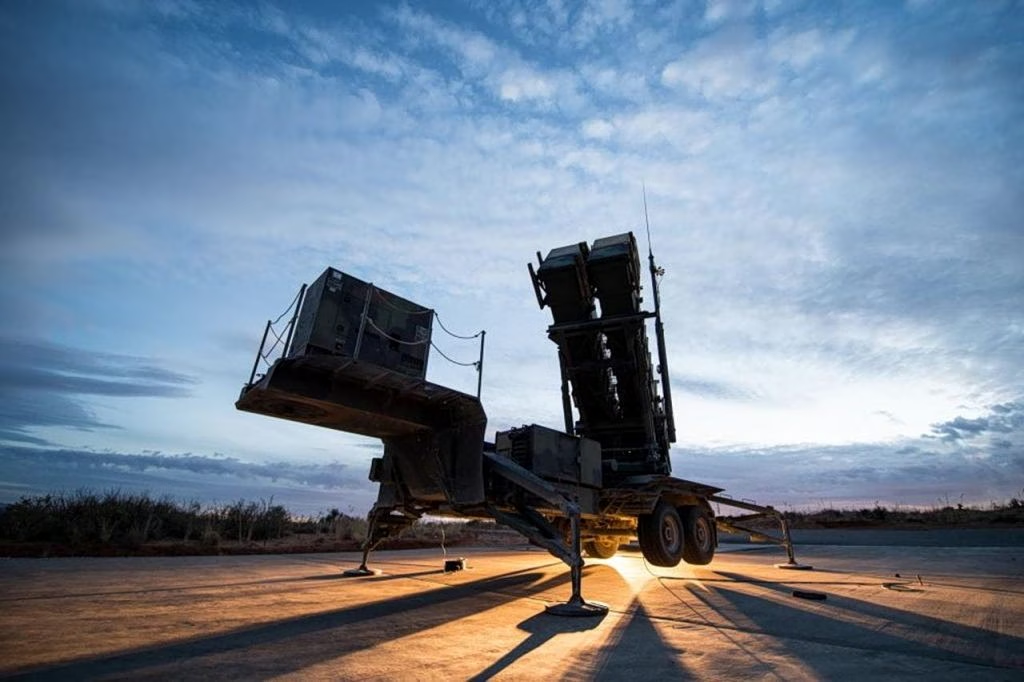
Greece and Israel signed the more than three-billion-euro Achilles Shield agreement in Tel Aviv on Aug. 31 after nearly three years of negotiations. The multilayered system is designed to counter aircraft, drones and ballistic threats and is expected to reach full operational deployment within 35 months.
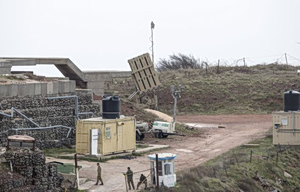
The program includes Israeli systems such as David’s Sling, Barak MX and SPYDER, as well as multi-mission radars and a national command-and-control system. Nineteen Greek companies are already participating, with a share of more than 25%, while the agreement also provides for expanded Greek industrial involvement.
The Greek defense ministry has made domestic industry participation and technology transfer central pillars of its wider Agenda 2030 defense modernization program, with Defense Minister Nikos Dendias saying Greece should move beyond being a passive buyer and user of defense systems.
The extremely prominent defense deal made international headlines last week, generating expensive coverage – practically all negative – in neighboring Turkey, for instance.