 Μake us preferred on Google
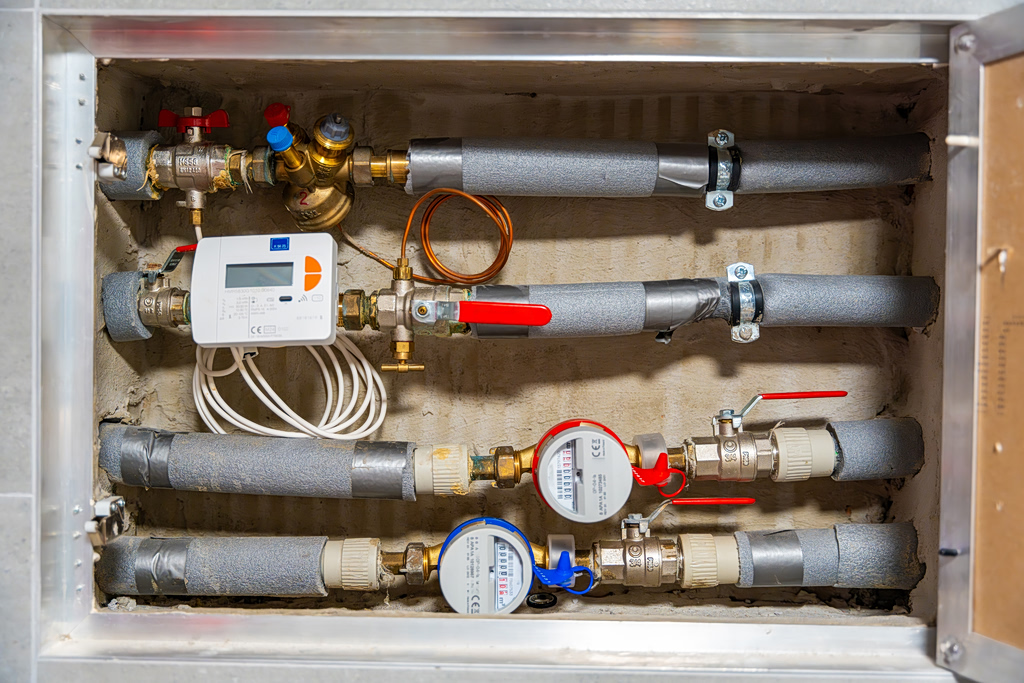
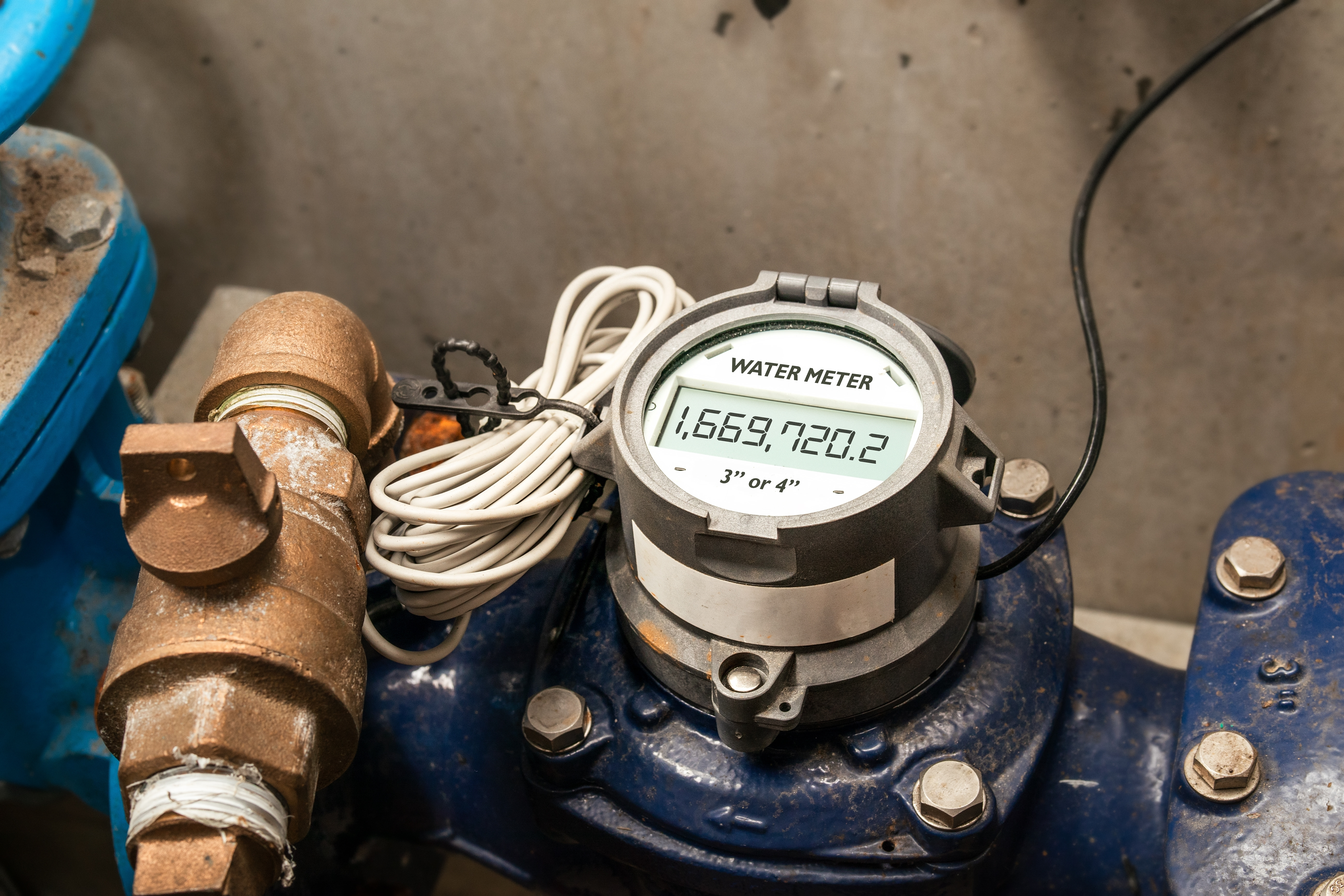
Greece’s electricity distribution operator is installing around 10 smart meters every minute as it expands remote monitoring of electricity consumption and steps up efforts to combat power theft, a problem that has cost consumers hundreds of millions of euros annually.
More than 2 million smart meters are now operational, allowing the Hellenic Electricity Distribution Network Operator (HEDNO) to monitor consumption remotely and use digital tools to identify unusual patterns and suspected tampering. The rollout is intended to reduce network losses and ease the additional costs borne by consumers who pay their electricity bills regularly.
Speaking at the 8th Renewable & Storage Forum on Thursday, HEDNO CEO Anastasios Manos outlined the progress made in tackling electricity theft, the expansion of smart metering and the need to upgrade infrastructure to meet the power system’s growing demands.
He said the reduction in network losses, combined with money recovered from confirmed electricity theft cases, has generated cumulative benefits of €400 million for consumers. The annual cost of electricity theft, which stood at approximately €350 million in 2023, has since fallen below €300 million, he said.
Network losses have returned to 2017 levels, while the annual financial benefit from their reduction is estimated at €130 million to €150 million.
Despite the progress, the problem remains costly. Electricity theft is estimated to have cost around €450 million annually, adding approximately €60 per year to the bills of consumers who pay for their electricity. Measures implemented over the past two years have helped bring that burden down toward €50 per year.
Greece’s energy regulator, RAAEY, has called on HEDNO to accelerate progress, arguing that smart meters and digital infrastructure could deliver greater reductions in electricity theft than the operator currently anticipates.
Smart meter rollout targets full coverage by 2030
Smart meter installations have reached approximately 6,000 devices a day, or 130,000 a month. Under HEDNO’s plan, the rollout will continue until 2030, when the system is expected to cover every electricity connection in the country.
Remote metering already accounts for approximately 66% of Greece’s electricity consumption.
The nationwide program, however, was delayed by nearly three years because of legal challenges and objections. HEDNO has argued that the delays significantly reduced the benefits that could already have been achieved through the digital transformation of the network.
Beyond identifying suspected electricity theft, the expanded digital infrastructure is expected to improve network monitoring and help detect faults, overloads and losses.
Other initiatives include digital mapping of the low-voltage network, which currently covers approximately 50% of customers in Greece, and plans to install 50,000 monitoring units at substations.
Manos also highlighted the potential role of artificial intelligence in identifying areas affected by power outages more quickly.
Higher investment to support grid modernization
HEDNO’s digital transformation is accompanied by increased investment in electricity infrastructure. Annual investment has risen to approximately €800 million since 2025, with the aim of upgrading the network and supporting Greece’s energy transition.
Stronger infrastructure is needed both to connect new electricity producers and to accommodate growing demand for power.
The increased investment has also accelerated connections for renewable energy projects. According to Manos, the operator was connecting as many as 80 projects a day during 2024 and 2025.
The distribution network now accounts for approximately half of Greece’s installed renewable energy capacity, with more than 100,000 producers and a combined capacity of around 10 gigawatts.
However, more than 80% of connection agreements at the beginning of 2026 involved small renewable energy installations with capacities of up to 100 kilowatts, highlighting the highly dispersed nature of electricity production.
Since May 2024, HEDNO has also been able to curtail electricity generation remotely, giving it control over approximately 6 gigawatts of capacity.
Storage projects exceed available network locations
HEDNO has identified more than 70 locations on its distribution network where energy storage systems with a combined capacity of 1 gigawatt could be connected.
Investor interest is more than twice that capacity, with applications exceeding 2.2 gigawatts. The operator is examining additional solutions with RAAEY to accommodate a larger share of the proposed projects.
The expansion of storage capacity, alongside renewable energy connections and smart metering, forms part of the broader effort to modernize Greece’s electricity network and manage the demands of its energy transition.