 Μake us preferred on Google
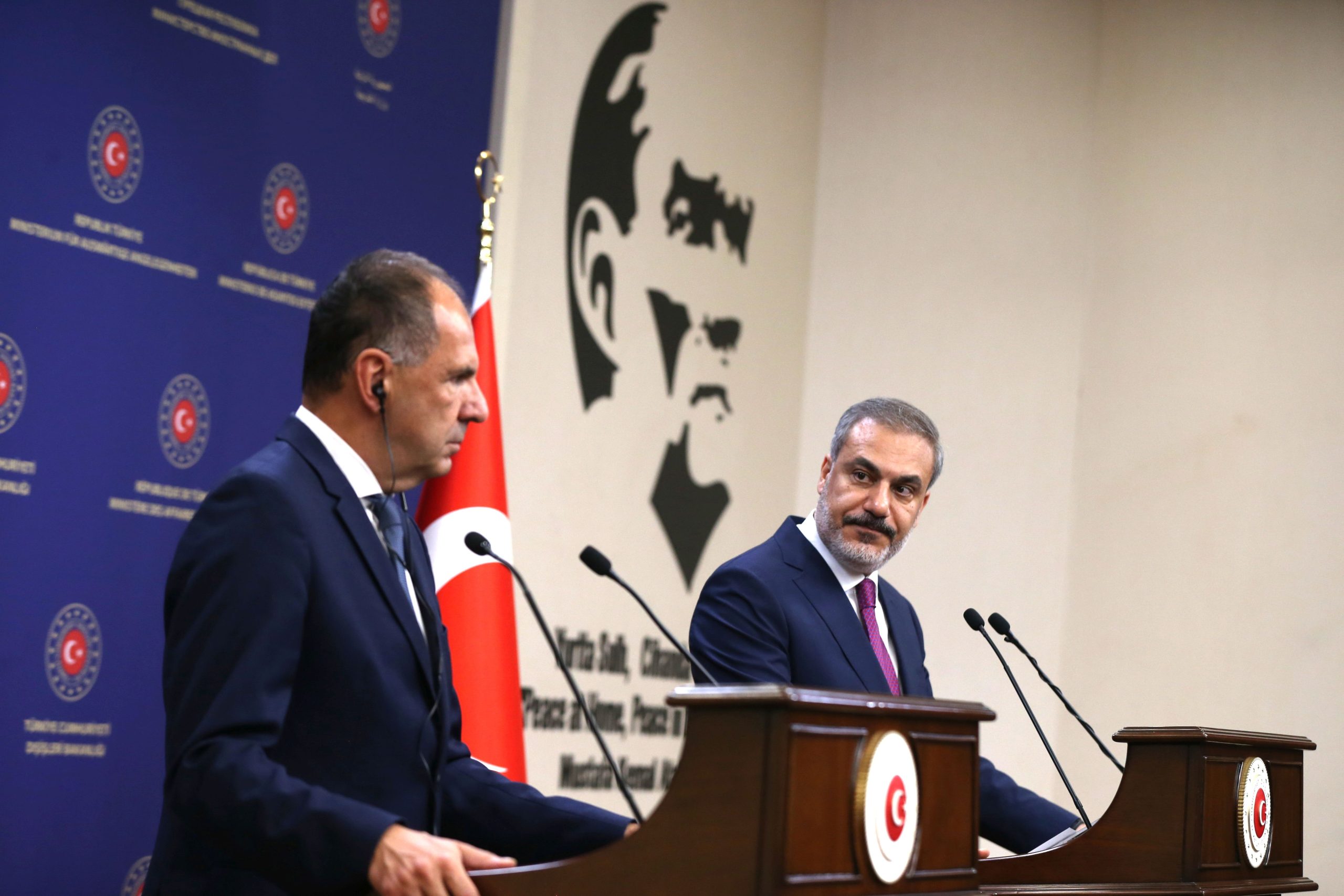
 Turkish Foreign Minister Hakan Fidan returned to “provocative mode” on Friday, again accusing Greece, Cyprus and Israel of forming a security alliance “aimed at Turkey”, amid intensified efforts by Ankara to expand its own regional defense partnerships and prop up its position in the eastern Mediterranean.
Fidan made the statement on Friday during a joint news conference with Egyptian Foreign Minister Badr Abdelatty in El Alamein, Egypt.
He echoed standing annoyance in Ankara by claiming that Greece, Israel and what he called the “Greek Cypriot administration”, i.e. the Republic of Cyprus, had established a security alliance in the Mediterranean before Turkey, Saudi Arabia and Pakistan signed a defense pact this month, dubbed the “Mecca Agreement“.
“Everyone knows what the target of this alliance is,” Fidan said, arguing that Turkey lies to the north of the Mediterranean and Egypt to the south and that the aforementioned trilateral alliance had effectively drawn a line between them.
Fidan contrasted the Greece-Cyprus-Israel partnership with the new Turkey-Saudi Arabia-Pakistan agreement, insisting that Ankara’s alliance was not directed against any country but was intended to establish a framework for regional cooperation, shared responsibility and deterrence.
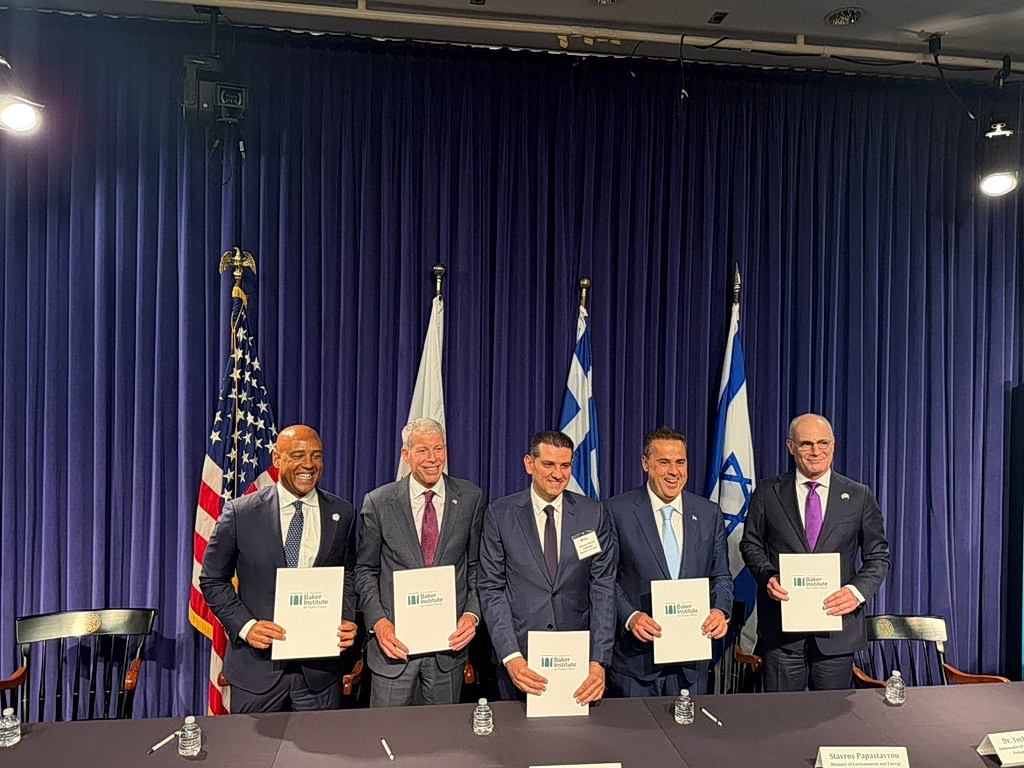
The remarks come as the Greece-Cyprus-Israel partnership continues to expand, with the three countries – which don’t share land borders – along with the United States, forming a “3+1” format that includes cooperation in energy, infrastructure and regional security. In June, the four countries established the Eastern Mediterranean Energy Center at Rice University in Houston, intended to promote energy security, infrastructure connectivity and cooperation on offshore resources.
The partnership has also gained a strategic dimension amid wider competition in the eastern Mediterranean.
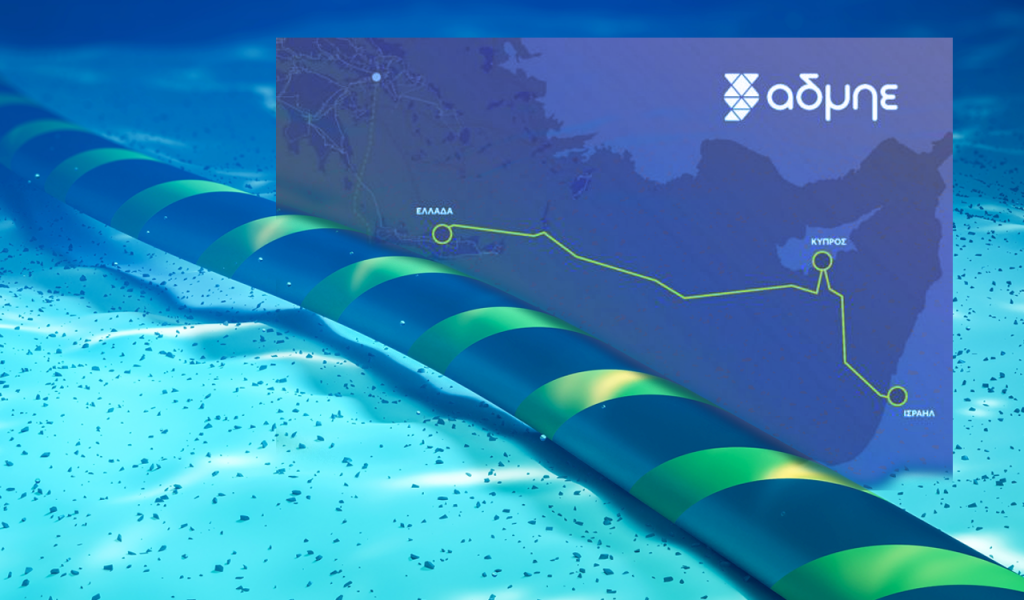
Greece, Cyprus and Israel have sought to deepen their military and diplomatic ties while advancing projects such as the Great Sea Interconnector, which would link the electricity grids of Greece, Cyprus and Israel. The initiative is increasingly viewed in Washington as part of a broader connectivity strategy linking the eastern Mediterranean with the India-Middle East-Europe Economic Corridor.
Conversely, Turkey has repeatedly portrayed the emerging regional partnership as an effort to “contain” its influence, while continuing to challenge Greek and Cypriot positions over maritime zones and energy resources.