 Μake us preferred on Google
 Greece’s relevant labor and social security minister on Tuesday delved into the fray regarding a contentious draft bill that the opposition and unions in the country deride as a prelude towards abolishing the eight-hour workday.
Minister Niki Kerameus defended the draft legislation and the controversial provision, which would allow a wage-earner to work up to 13 hours on specific days, if an employee and employer agree. Presently, an individual can legally work up to 13 hours a day in the country, but for two employers.
Opposition to the draft legislation, which the center-right government maintains will liberalize the labor sector and cut “red tape”, manifested on Tuesday into a 24-hour strike in the country, which mostly affected public transports in the greater Athens-Piraeus area, national rail service and ferry boat connections.
In her initial statement, Kerameus reiterated that the draft legislation does not affect civil servants and the wider public sector, but only the private sector.
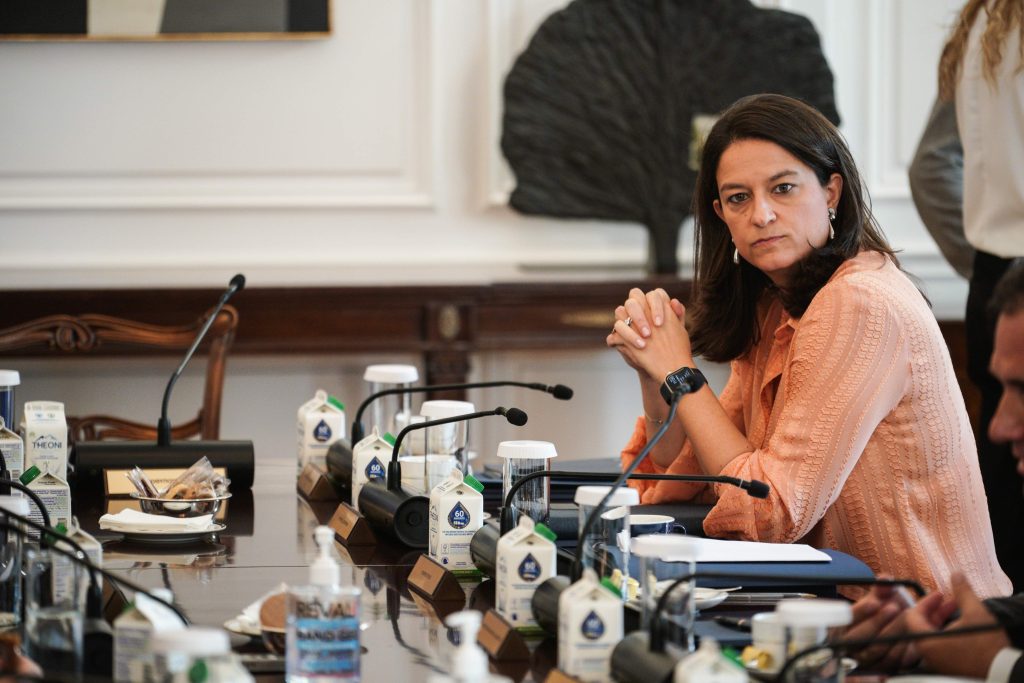
Minister Niki Kerameus
“The draft bill only affects the private sector, I don’t understand why the public sector is striking…” she said, in response to a press question.
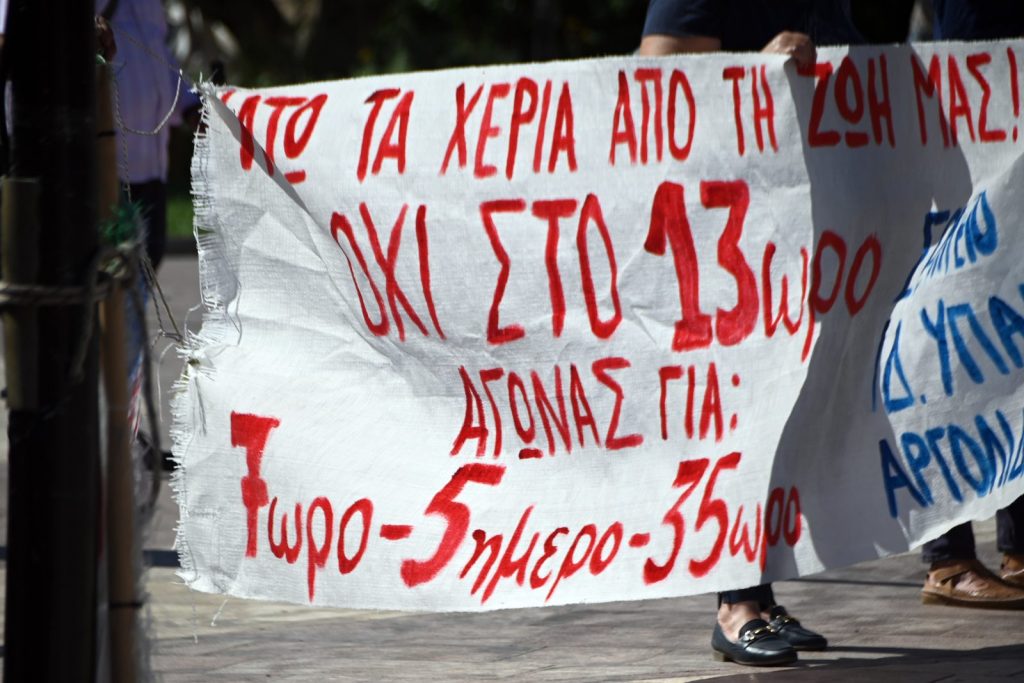
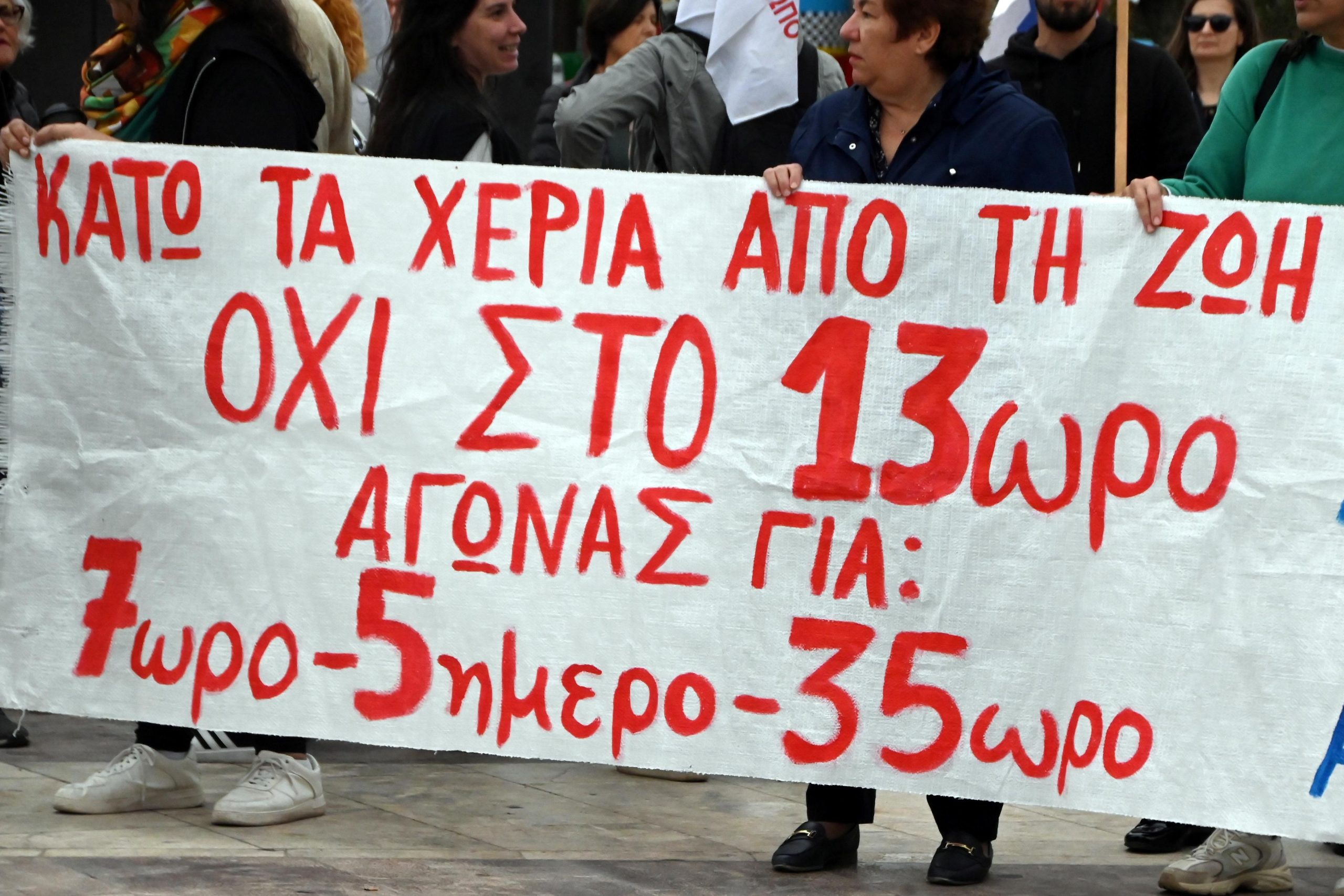
In voicing its sharp opposition to the bill – which affects the private sector – the union representing civil servants in the country (ADEDY) also tacked on demands for wage hikes and a shorter workday, i.e. a seven-hour, five-day week.
Speaking on Skai radio, she also said the bill, which is up for ratification on Wednesday, will enshrine the right of a wage-earner to work four days a week, year-round.
Asked directly about the most contentious provision in the draft bill, the possibility of a 13-hour workday, she stressed: “The 13-hour workday is not mandatory, and it can be done three days a month…”