
The Greek government on Wednesday announced a tougher stance in the face of a looming migration crisis again affecting the country, as continued and stepped-up arrivals of irregular migrants via the so-called “Libyan route” has generated concern in Athens and the EU.
Speaking in Parliament, Greek Prime Minister Kyriakos Mitsotakis said his government has already briefed the European Commission over a legislative initiative that will be unveiled on Thursday, whereby the process of examining third country nationals’ asylum petitions will be suspended for three months. The specific initiative, he added, affects people arriving from North Africa to Greek territory aboard boats and vessels.
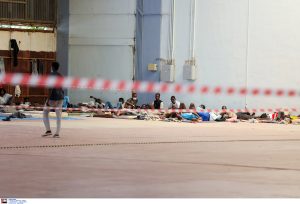
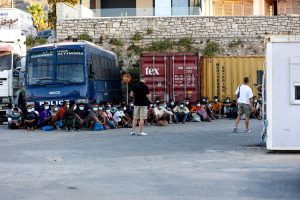
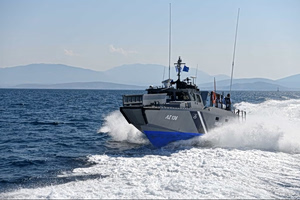
The measure is directly linked to a spike over the past month in the number of third country nationals being ferried by migrant smuggling rings aboard often dilapidated boats and fishing vessels from eastern Libya to the immediate sea region south of Crete, whereby they either land on Greek territory (Crete or the isle of Gavdos) or request emergency assistance from nearby vessels and coast guard authorities.
“This emergency situation requires emergency measures,” Mitsotakis said, immediately after holding a meeting at his office with relevant Migration and Asylum Minister Thanos Plevris. The latter was part of an EU delegation that was unceremoniously told to leave Benghazi a day earlier, the seat of the de facto government ruling eastern Libya and a large part of the central part of the large North African country.
“The government will use the same legal reasoning that it employed when it successfully dealt with the migration invasion in Evros in March 2020. The migrants who enter the country illegally will be arrested and detained,” he said, referring to a crisis with neighboring Turkey in late February and early March 2020.
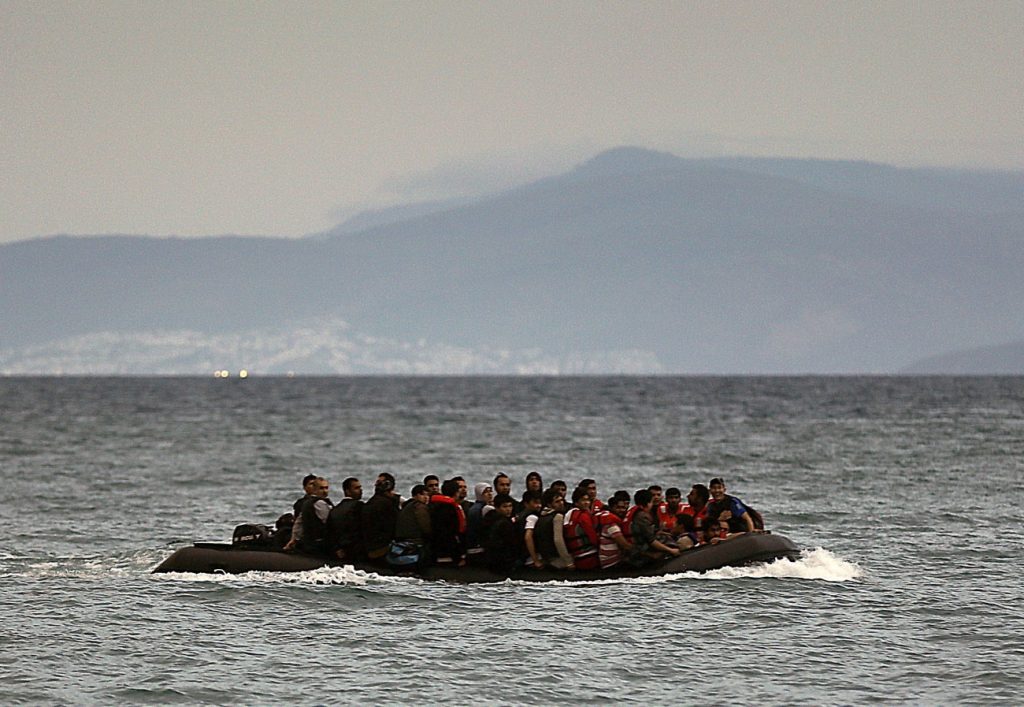
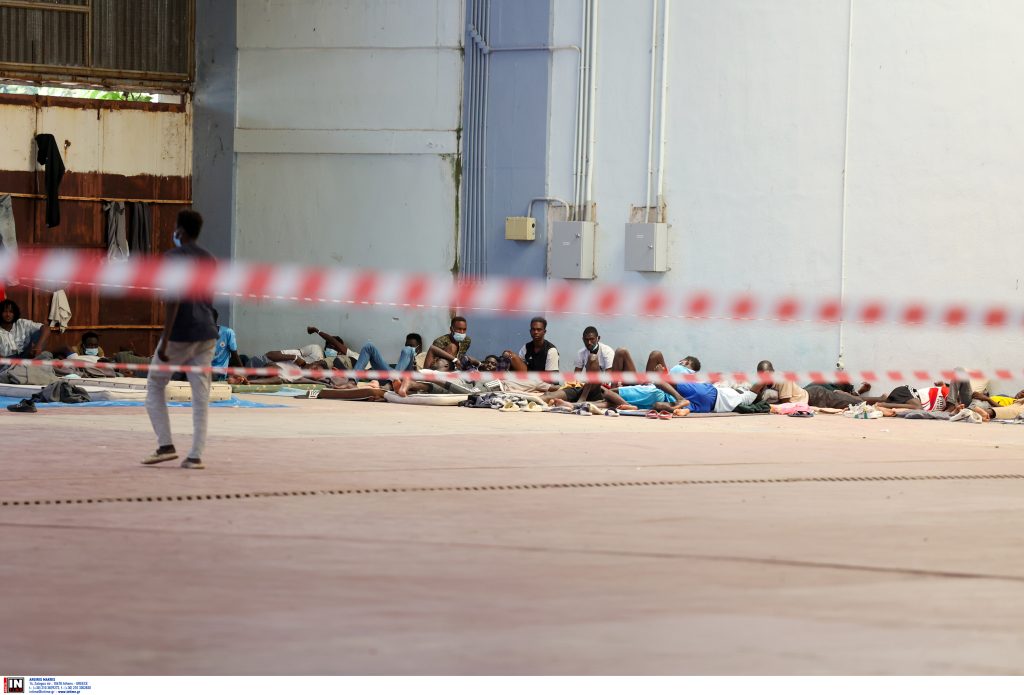
File photo
At the time, the Erdogan administration in Turkey said it would stop trying to prevent third country nationals from illegally entering Greece through the land border between the two countries, as delineated by the Evros (Maritsa) River separating them in the Thrace province.
“As you know, yesterday in the international waters off Crete there was a rescue operation by a commercial vessel. The government’s order is that those rescued should not land on Crete. They will be taken to Lavrio (on the mainland, southeast of Athens) and from there they will be transferred to closed (guarded) centers operated by the migration ministry… The path to Greece is closed,” he added.
He also announced the government’s decision to create one or two closed migrant ID and reception centers on Crete, with the aim being to deal with the situation locally, meaning that the individuals who arrived by sea will remain on the island and not be transferred to the Greek mainland.
Turning to strife-plagued Libya itself, he said discussions with both the western and eastern Libyan government entities “are ongoing and continuing.”
“The (Greek) armed forces are willing to cooperate with the Libyan authorities to prevent boats from leaving the Libyan coast,” he said.