 Μake us preferred on Google
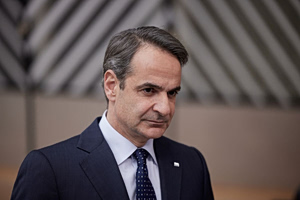
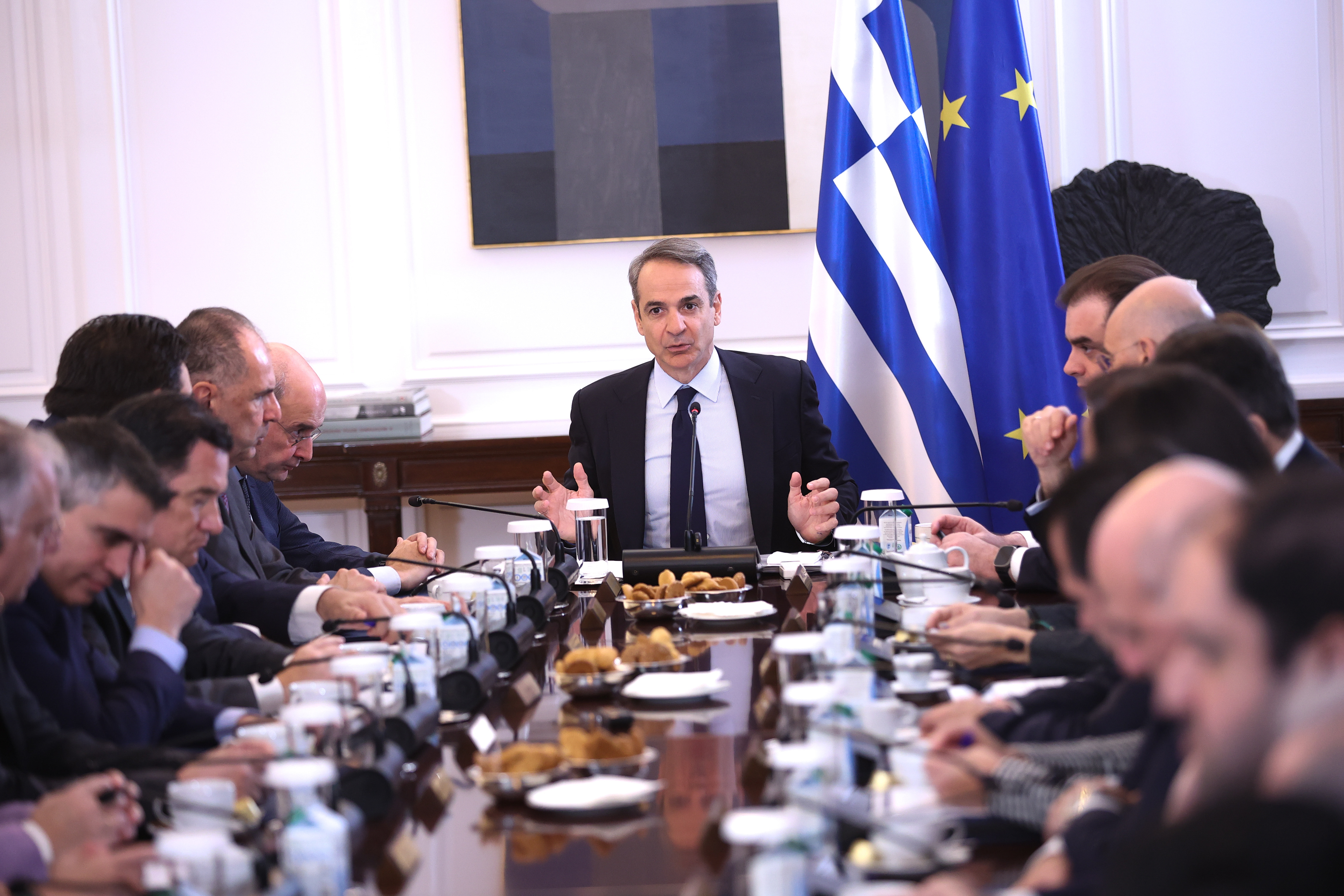
 Greek Prime Minister Kyriakos Mitsotakis used the first Cabinet meeting of 2026 to set the tone for the year ahead, emphasizing political stability, national strength and reforms aimed at improving daily life for citizens.
Speaking from the Maximos Mansion, the official seat of the Greek prime minister, Mitsotakis said that in uncertain times, values alone are not enough. “In turbulent times, the strength of our values must be matched by the value of our strength,” he said, framing his remarks around defense, diplomacy, the economy and social cohesion.
Mitsotakis described political stability as a “national necessity,” particularly in what he called “uncharted waters.” He argued that strengthening Greece across multiple fronts, including national defense, foreign policy, economic resilience and social solidarity, is critical in safeguarding the country’s future.
Reference to Trikala factory tragedy
At the outset of his remarks, the prime minister referred to the deadly accident at the Violanta biscuit factory in Trikala, a city in central Greece. He expressed condolences to the families of the victims and noted that the Fire Service is already investigating the circumstances of the incident so responsibility can be assigned.
Expanding postal voting for Greeks abroad
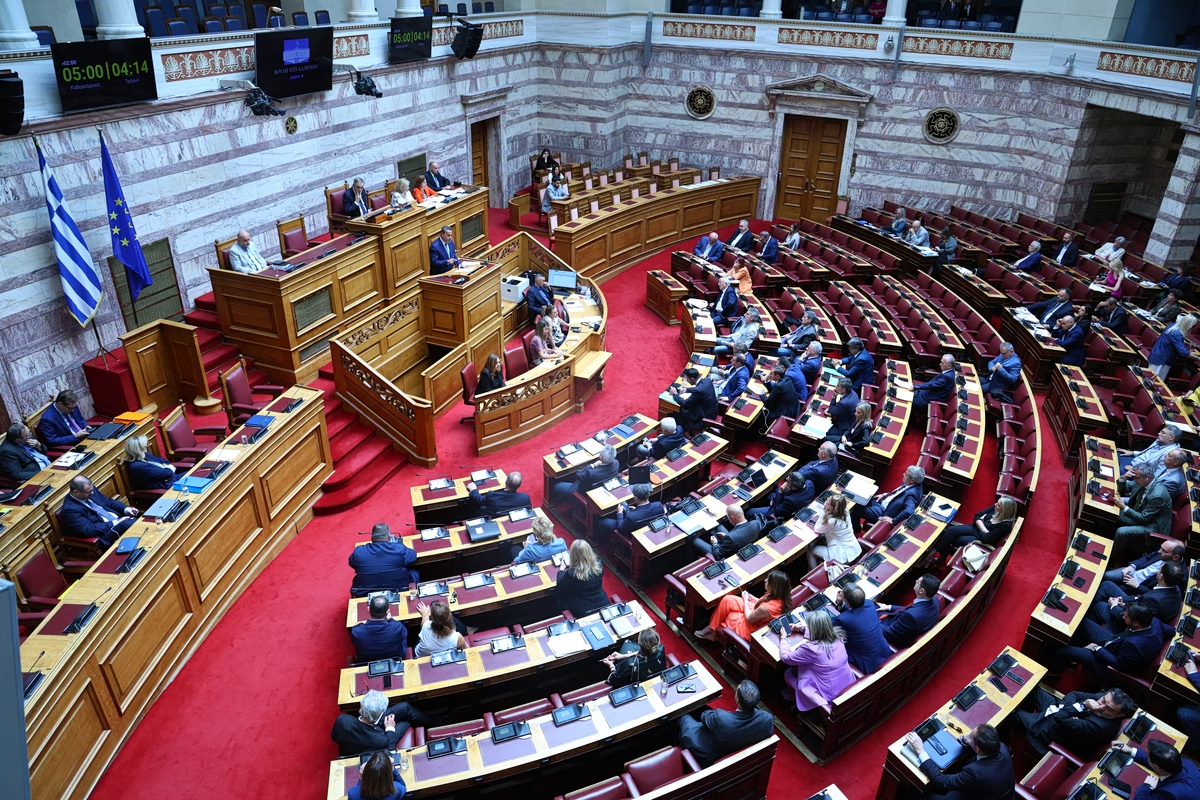
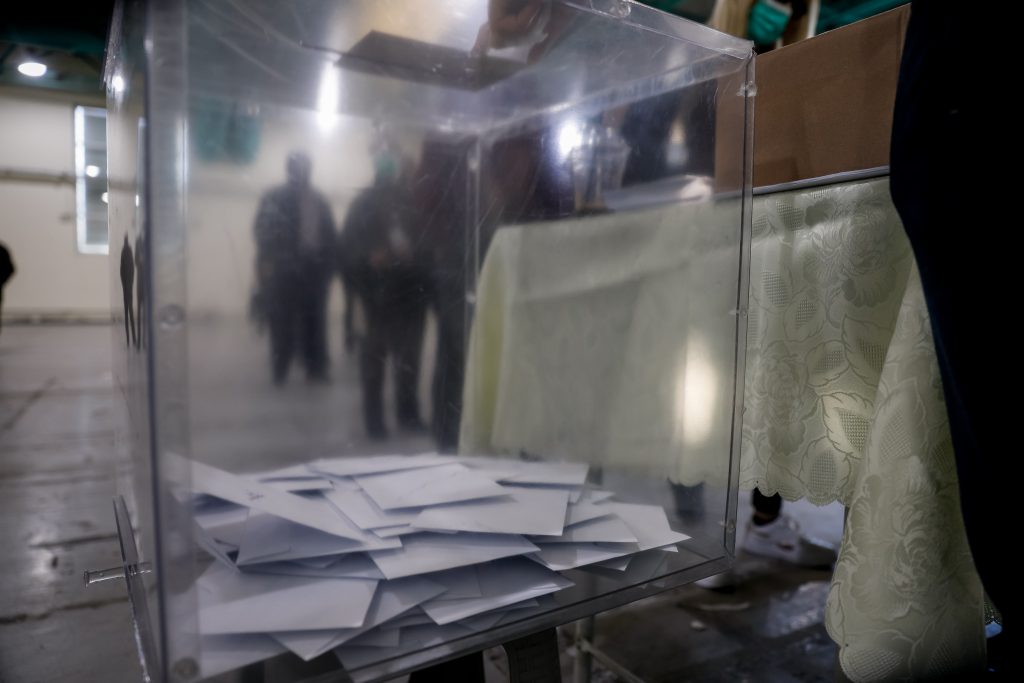
A central political announcement concerned the expansion of postal voting rights for Greeks living overseas.
For national elections, Mitsotakis proposed:
- The creation of a special three-seat electoral district for Greeks abroad.
- The restoration of the number of MPs elected not in a specified constituency but rather throughout the country at large to 12.
- The retention of the current 3% electoral threshold for parties entering Parliament.
He described the proposal as a “self-evident national choice, beyond party lines,” and expressed hope that it would gain broad political consensus. Consultations with other political forces are expected to begin soon.
Toward a state that serves the citizen
The prime minister also reiterated his government’s commitment to tackling what is often referred to in Greece as the “deep state,” along with bureaucracy and long-standing inefficiencies.
“The confrontation with bureaucracy and systemic dysfunctions continues,” Mitsotakis said, pointing to a series of small and larger reforms designed to save citizens time, money and energy, and to make the state more user-friendly.
Wage increases and cost-of-living pressures
Addressing the economy and household finances, Mitsotakis said private-sector employees will see the impact of significant tax cuts in their paychecks by the end of the month, leading to higher net wages.
He described these measures as a buffer against rising prices, noting that inflation is affecting countries across the globe. “There are no magic solutions,” he said, adding that the government’s focus remains on supporting disposable income.
Legislative agenda presented to Cabinet
During the meeting, ministers presented a wide-ranging legislative agenda for the coming period, including:
- Measures for a more citizen-friendly state, presented by ice President of the Government Kostis Hatzidakis.
- Legislative initiatives on affordable housing and social cohesion, presented by Finance Minister Kyriakos Pierrakakis and Social Cohesion and Family Affairs Minister Domna Michailidou.
- A bill on the Social Climate Fund and the Modernization Fund, presented by Alternate Minister at the Ministry of Economy and Finance Nikos Papathanasis.
- Reforms to the system for selecting senior civil servants, presented by Interior Minister Theodoros Livanios and Deputy Minister Vivi Charalampogianni.
- The establishment of a Pharmaceutical Innovation Fund and improvements to health services, presented by Health Minister Adonis Georgiadis.
- Modernization of legislation on renewable energy production and use, in line with recent European Union directives, presented by Environment and Energy Minister Stavros Papastavrou and Deputy Minister Nikos Tsafos.
- A bill on implementing an EU regulation and creating a unified digital infrastructure for serving citizens and businesses, presented by Digital Governance Minister Dimitris Papastergiou.