Greece’s position on the Eastern Mediterranean energy map received a major boost this week, as Washington reaffirmed its confidence in Athens’ role as a reliable energy partner. Two key developments — ExxonMobil’s participation in a new exploration project and a joint statement from the 3+1 Energy Ministerial — underline Greece’s growing strategic importance.
ExxonMobil Joins Greece’s Offshore Venture
In what Prime Minister Kyriakos Mitsotakis described as a “historic moment,” ExxonMobil announced it will hold a 60% stake in a consortium with Energean and Helleniq Energy for the exploration of “Block 2” in the northern Ionian Sea.
The agreement, signed in Athens in the presence of senior US officials including Energy Secretary Chris Wright and Interior Secretary Doug Bergman, marks the first major drilling initiative in Greece in 40 years. The first exploratory drilling is expected within 18 months — a project seen as pivotal to assessing Greece’s natural gas potential.
“This development shows that Greece is leveraging its national resources with vision and planning,” Mitsotakis said, adding that it strengthens the country’s position as “energy secure, geopolitically strong and investment-friendly.”
The 3+1 Energy Alliance and Regional Stability
At the same time, the US State Department released a joint statement from the governments of the United States, Greece, Cyprus, and Israel following the 3+1 Energy Ministerial.
The statement reaffirmed a shared commitment to advancing energy security, infrastructure resilience, and regional cooperation through the Eastern Mediterranean Energy Center — described as a cornerstone for stability in the region.
The ministers also voiced support for broader interconnection projects under the India–Middle East–Europe Corridor, which aims to enhance energy flows and safeguard critical infrastructure. Notably, the declaration highlighted the importance of diversifying energy supply and reducing dependence on “malign actors,” a clear reference to Moscow.
A Strategic Bridge Between the US and Europe
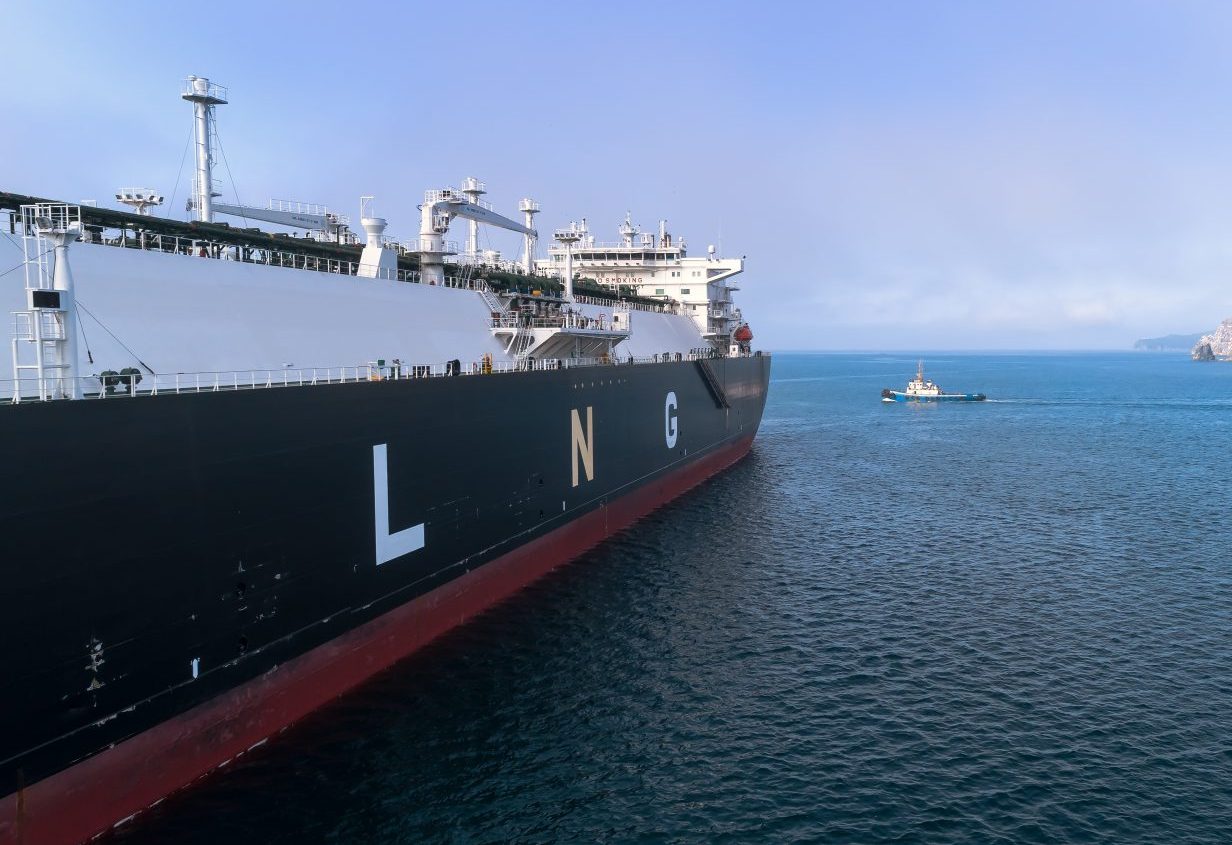
The timing of these developments underscores Greece’s emergence as a vital bridge between American energy interests and European security. With major LNG terminals and interconnection projects already underway, Athens is positioning itself as both a gateway for US liquefied natural gas to Europe and a hub for cross-border energy transmission toward the Balkans and the wider Mediterranean.
Greek Energy Minister Stavros Papastavrou noted that “the vertical corridor is the product of a coordinated effort to secure prosperity and safety,” reflecting Greece’s ambitions to anchor a regional energy network supported by multilateral partnerships.
A Reflection of Washington’s Energy Doctrine
The renewed American focus on Greece aligns with President Donald Trump’s broader “drill, baby, drill” energy doctrine, which views oil and gas not only as commodities but as instruments of foreign policy and economic diplomacy.
For Washington, strategic success is measured through concrete partnerships that both strengthen US companies abroad and reinforce the country’s geopolitical presence in critical regions. In this light, ExxonMobil’s investment in Greek waters represents not just a business move, but a signal of strategic alignment — a high-value deliverable that marries economic interest with geopolitical intent.